Recommended byNaval Ravikant
About This Book
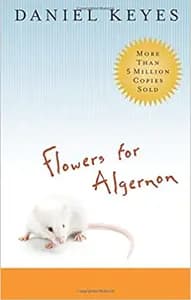
"Flowers for Algernon" by Daniel Keyes is a poignant and thought-provoking novel that explores themes of intelligence, identity, and humanity. Through the eyes of Charlie Gordon, a mentally disabled man with an IQ of 68, the novel takes us on a journey of transformation.
Told through diary entries and progress reports, the story follows Charlie as he undergoes an experimental operation to significantly increase his intelligence. As his mental abilities gradually improve, Charlie's perspective on the world expands, and he becomes aware of both its beauty and its ugliness.
Charlie's newfound intelligence allows him to pursue his lifelong dream of learning and understanding, but this also leads to conflicts with his relationships, particularly with his best friend, Algernon, a laboratory mouse who underwent the same operation.
As Charlie's IQ soars and he becomes a prodigy, he battles with his own identity and struggles to connect with others who do not understand his experiences. He grapples with feelings of alienation, loneliness, and the fear of losing his newly gained intelligence.
However, as Charlie uncovers the dark side of the experiment, he starts to question the ethics and moral implications of the procedure. He witnesses Algernon's decline and realizes that his own intellectual ascent may be temporary.
The novel ultimately forces readers to ponder the nature of intelligence and the complexities of what it means to be human. It explores the theme of accepting oneself, regardless of intelligence, and the importance of genuine human connection.
Heartbreaking and thought-provoking, "Flowers for Algernon" delves into the insecurities and fears that arise when our minds and perceptions change, confronting us with the fragility of our own existence and the inherent value of compassion and empathy.
Told through diary entries and progress reports, the story follows Charlie as he undergoes an experimental operation to significantly increase his intelligence. As his mental abilities gradually improve, Charlie's perspective on the world expands, and he becomes aware of both its beauty and its ugliness.
Charlie's newfound intelligence allows him to pursue his lifelong dream of learning and understanding, but this also leads to conflicts with his relationships, particularly with his best friend, Algernon, a laboratory mouse who underwent the same operation.
As Charlie's IQ soars and he becomes a prodigy, he battles with his own identity and struggles to connect with others who do not understand his experiences. He grapples with feelings of alienation, loneliness, and the fear of losing his newly gained intelligence.
However, as Charlie uncovers the dark side of the experiment, he starts to question the ethics and moral implications of the procedure. He witnesses Algernon's decline and realizes that his own intellectual ascent may be temporary.
The novel ultimately forces readers to ponder the nature of intelligence and the complexities of what it means to be human. It explores the theme of accepting oneself, regardless of intelligence, and the importance of genuine human connection.
Heartbreaking and thought-provoking, "Flowers for Algernon" delves into the insecurities and fears that arise when our minds and perceptions change, confronting us with the fragility of our own existence and the inherent value of compassion and empathy.
What People Are Saying
More Praise
Naval Ravikant mentioned 'Flowers for Algernon' on Twitter.
Revisit Your Highlights, Deepen Your Understanding
Import your Kindle highlights to review, organize, and share the ideas that matter most to you.
Get the free browser extension
Share This Book
More Books in Science Fiction
View More
Snow Crash
Neal Stephenson
The Three Body Problem
Cixin Liu
Dune
Frank Herbert
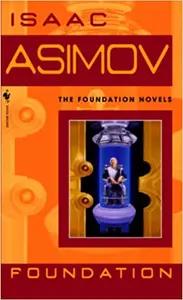
Foundation
Isaac Asimov
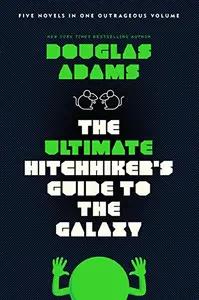
The Hitchhikers Guide to the Galaxy
Douglas Adams
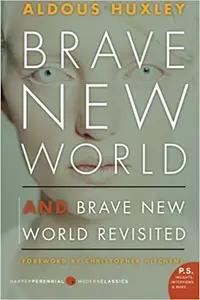
Brave New World
Aldous Huxley
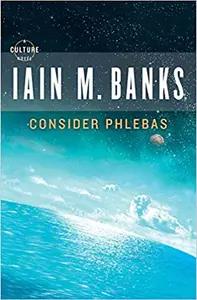
Consider Phlebas
Iain M. Banks
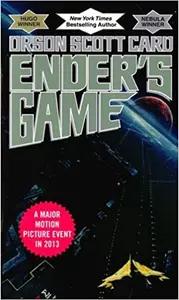
Ender's Game
Orson Scott Card
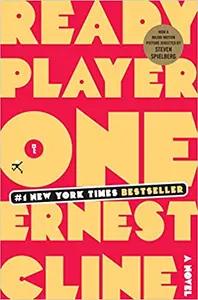
Ready Player One
Ernest Cline

Stranger In A Strange Land
Robert Heinlein
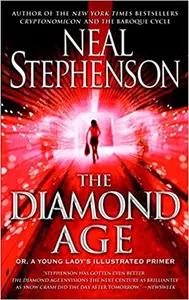
The Diamond Age
Neal Stephenson

The Martian
Andy Weir
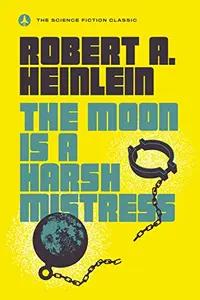
The Moon Is A Harsh Mistress
Robert Heinlein
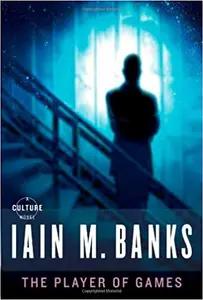
The Player of Games
Iain Banks
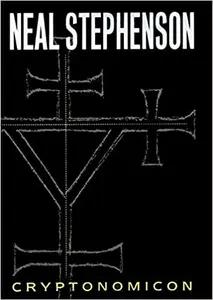
Cryptonomicon
Neal Stephenson
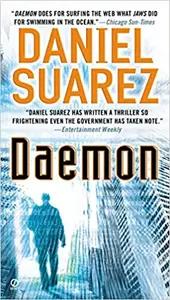
Daemon
Daniel Suarez
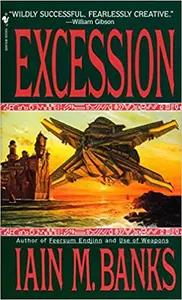
Excession
Iain M. Banks
Exhalation
Ted Chiang

Inversions
Iain M. Banks
Look to Windward
Iain M. Banks
Matter
Iain M. Banks
State of the Art
Iain M. Banks
Stories of Your Life and Others
Ted Chiang
Surface Detail
Iain M. Banks
The Hydrogen Sonata
Iain M. Banks
Use of Weapons
Iain M. Banks
Artemis
Andy Weir
Chapterhouse
Frank Herbert
Children of Dune
Frank Herbert
Distress
Greg Egan
Popular Books Recommended by Great Minds 📚
Sapiens
Yuval Noah Harari
The Hard Thing About Hard Things
Ben Horowitz
Zero to One
Peter Thiel
High Output Management
Andrew Grove
Principles
Ray Dalio

Shoe Dog
Phil Knight
Snow Crash
Neal Stephenson
Meditations
Marcus Aurelius
Originals
Adam Grant

Poor Charlie's Almanack
Charlie Munger
The Innovators Dilemma
Clayton Christensen
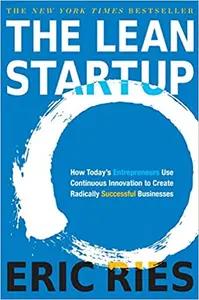
The Lean Startup
Eric Reis
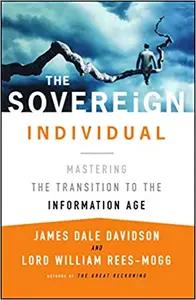
The Sovereign Individual
James Dale Davidson & William Rees-Mogg
High Growth Handbook
Elad Gil
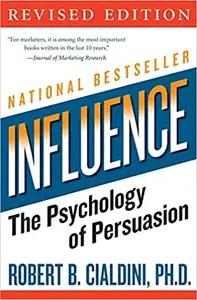
Influence
Robert Cialdini
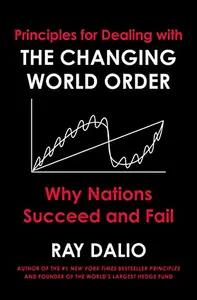
Principles for Dealing With The Changing World Order
Ray Dalio
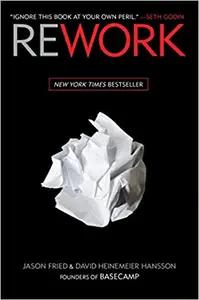
Rework
Jason Fried
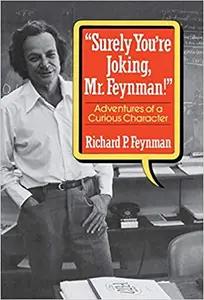
Surely You're Joking Mr. Feynman
Richard Feynman
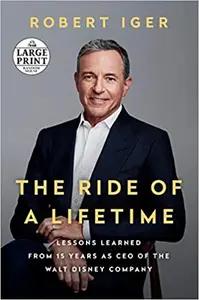
The Ride of a Lifetime
Bob Iger
The Three Body Problem
Cixin Liu
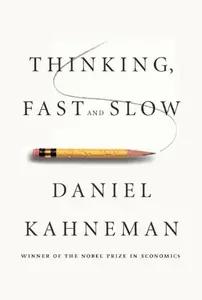
Thinking, Fast and Slow
Daniel Kahneman
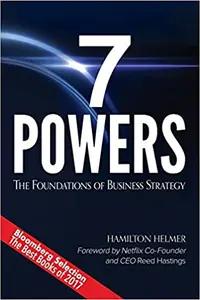
7 Powers
Hamilton Helmer
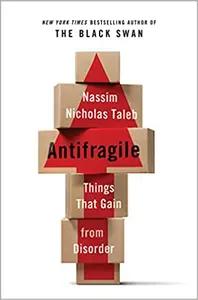
Antifragile
Nassim Nicholas Taleb
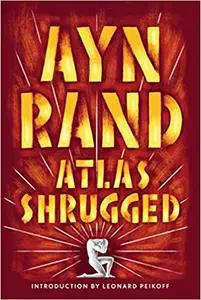
Atlas Shrugged
Ayn Rand
Blitzscaling
Reid Hoffman
Dune
Frank Herbert
Foundation
Isaac Asimov
Good To Great
Jim Collins
Hopping Over The Rabbit Hole
Anthony Scaramucci
Man's Search for Meaning
Viktor Frankl