Why Can't Jackson, MS Drink Its Water?
TL;DR
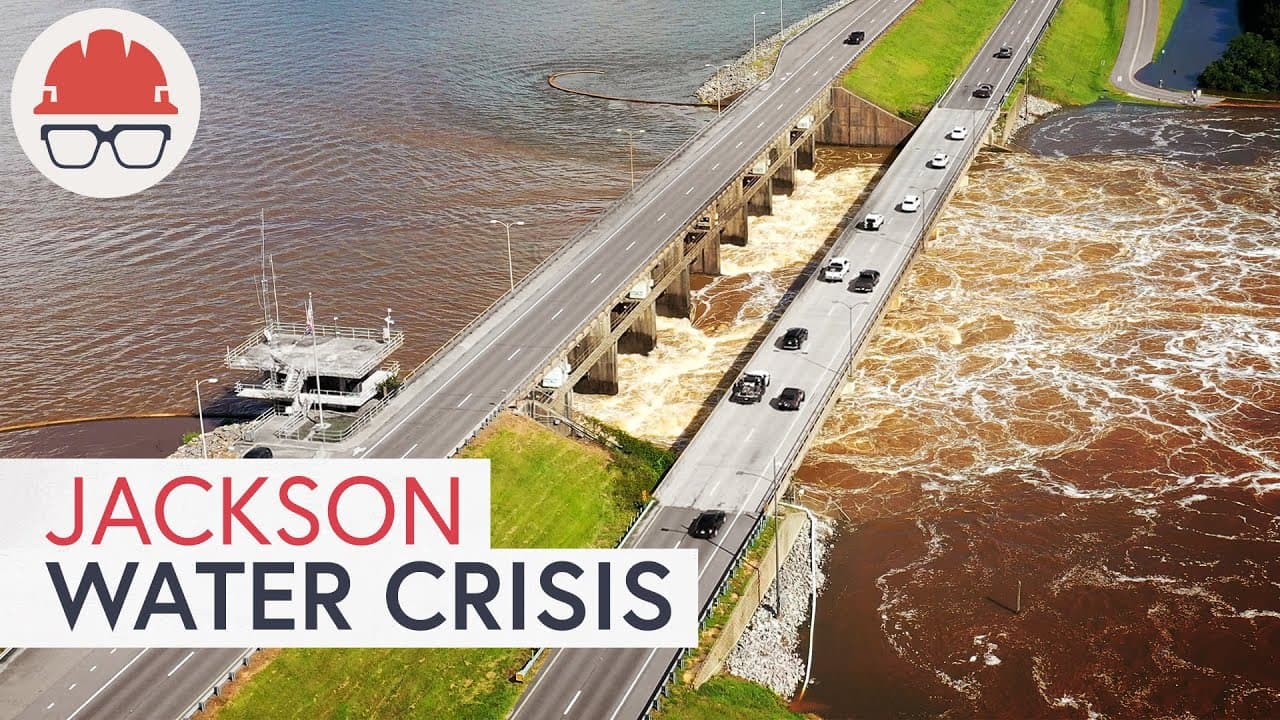
Jackson, Mississippi has faced a severe water crisis due to infrastructure failures, natural disasters, and chronic underinvestment. The city's water system, plagued by broken pipes and treatment plant issues, has repeatedly failed, leaving residents without clean water for extended periods. Efforts are underway to address these challenges, but significant improvements will take time and resources.
Transcript
As a blast of bitter Arctic air poured into North America around Christmas Time in December 2022, weather conditions impacted nearly every aspect of life, from travel to electricity to just trying to get out the front door. But the frigid temperatures kicked one American city while it was already down. For many people, the idea of not being abl... Read More
Key Insights
- Jackson, Mississippi's water crisis stems from infrastructure neglect and underinvestment.
- The city's water system serves 170,000 people but frequently fails due to broken pipes and treatment plant issues.
- Federal and state interventions have been necessary to address the imminent public health threat.
- Boil water notices are common due to pressure losses and contamination risks.
- Natural disasters, like floods and cold weather, exacerbate the city's water system failures.
- The city's water issues are intertwined with historical and systemic racial and economic challenges.
- Efforts to improve the system include federal funding and third-party management.
- Clean water is a human right, and Jackson's crisis highlights the consequences of mismanagement.
Install to Summarize YouTube Videos and Get Transcripts
Explore YouTube Video Summarizer or Get YouTube Transcript Extractor
Questions & Answers
Q: Why can't Jackson, Mississippi residents drink their tap water?
Residents of Jackson, Mississippi, cannot reliably drink their tap water due to a failing water infrastructure system. Chronic underinvestment and neglect have led to frequent breakdowns in the water treatment plants and distribution network, resulting in contamination risks and boil water notices. Natural disasters, such as floods and cold weather, further exacerbate these issues by damaging pipes and overwhelming treatment facilities.
Q: What caused the water crisis in Jackson, Mississippi?
The water crisis in Jackson, Mississippi, is primarily caused by decades of underinvestment and neglect of the city's water infrastructure. This neglect led to frequent system failures, such as broken pipes and malfunctioning treatment plants. Additionally, natural disasters like floods and cold weather have compounded the crisis by causing further damage and operational challenges, leaving residents without clean water.
Q: How is the Jackson water crisis being addressed?
The Jackson water crisis is being addressed through federal intervention and funding, as well as the appointment of a third-party manager to oversee critical improvements. The city has secured $800 million in federal funding to tackle infrastructure issues, and efforts are focused on repairing and upgrading the water system to ensure compliance with drinking water laws. These initiatives aim to restore reliable access to clean water for residents.
Q: What challenges does Jackson's water system face?
Jackson's water system faces numerous challenges, including aging infrastructure, frequent pipe breaks, and malfunctioning treatment plants. The system lacks sufficient monitoring and staffing, leading to pressure losses and contamination risks. Additionally, natural disasters like floods and cold weather exacerbate these issues, causing further damage and operational difficulties. Historical racial and economic factors also contribute to the systemic challenges.
Q: What role did natural disasters play in the Jackson water crisis?
Natural disasters have played a significant role in the Jackson water crisis by exacerbating existing infrastructure weaknesses. Floods have introduced sediment-laden water that overwhelms treatment plants, while cold weather has caused pipes to crack and break. These events have led to system failures, leaving residents without access to clean water and under constant boil water advisories, highlighting the system's vulnerability to environmental stressors.
Q: How has the federal government responded to the Jackson water crisis?
The federal government has responded to the Jackson water crisis by issuing disaster declarations, providing emergency resources, and securing $800 million in funding for infrastructure improvements. The Environmental Protection Agency (EPA) has conducted inspections and issued emergency orders to address public health threats. Additionally, a third-party manager has been appointed to oversee the necessary repairs and upgrades to the water system.
Q: What are the historical factors contributing to Jackson's water crisis?
Historical factors contributing to Jackson's water crisis include systemic racial and economic challenges that have led to underinvestment in infrastructure. The city's history of segregation and economic disparities has resulted in a weakened tax base and limited resources for maintaining and upgrading the water system. These factors have compounded the technical and operational issues, making it difficult to provide reliable access to clean water.
Q: What is the importance of clean water as highlighted by the Jackson crisis?
The Jackson water crisis underscores the importance of clean water as a fundamental human right and a critical public health necessity. The crisis highlights the severe consequences of neglecting infrastructure and the need for proactive investment and management. Reliable access to clean water is essential for daily life, public health, and community well-being, and the situation in Jackson serves as a reminder of the importance of safeguarding this vital resource.
Summary & Key Takeaways
-
Jackson, Mississippi's water crisis is a result of decades-long neglect and underinvestment in its infrastructure, compounded by natural disasters like floods and cold weather. The water system frequently fails, leaving residents without access to clean water and under constant boil water advisories. Efforts to resolve these issues involve federal funding and third-party management to bring the system back into compliance.
-
The city's water utility, serving 170,000 people, faces challenges such as broken pipes, treatment plant malfunctions, and a lack of sufficient monitoring and staffing. These issues have led to numerous boil water notices and pressure losses, compromising the safety and reliability of the water supply. Jackson's crisis is further complicated by historical racial and economic factors.
-
To address the ongoing water crisis, Jackson has secured federal funding and appointed a third-party manager to oversee critical infrastructure improvements. However, restoring the water system to a functional and compliant state will require significant time, resources, and political will. The situation underscores the importance of proactive infrastructure management and investment.
Read in Other Languages (beta)
Share This Summary 📚
Summarize YouTube Videos and Get Video Transcripts with 1-Click
Try YouTube Summary with ChatGPT & Claude or YouTube Transcript Generator
Explore More Summaries from Practical Engineering 📚




Summarize YouTube Videos and Get Video Transcripts with 1-Click
Try YouTube Summary with ChatGPT & Claude or YouTube Transcript Generator