Where Does Stormwater Go in Urban Areas?
TL;DR
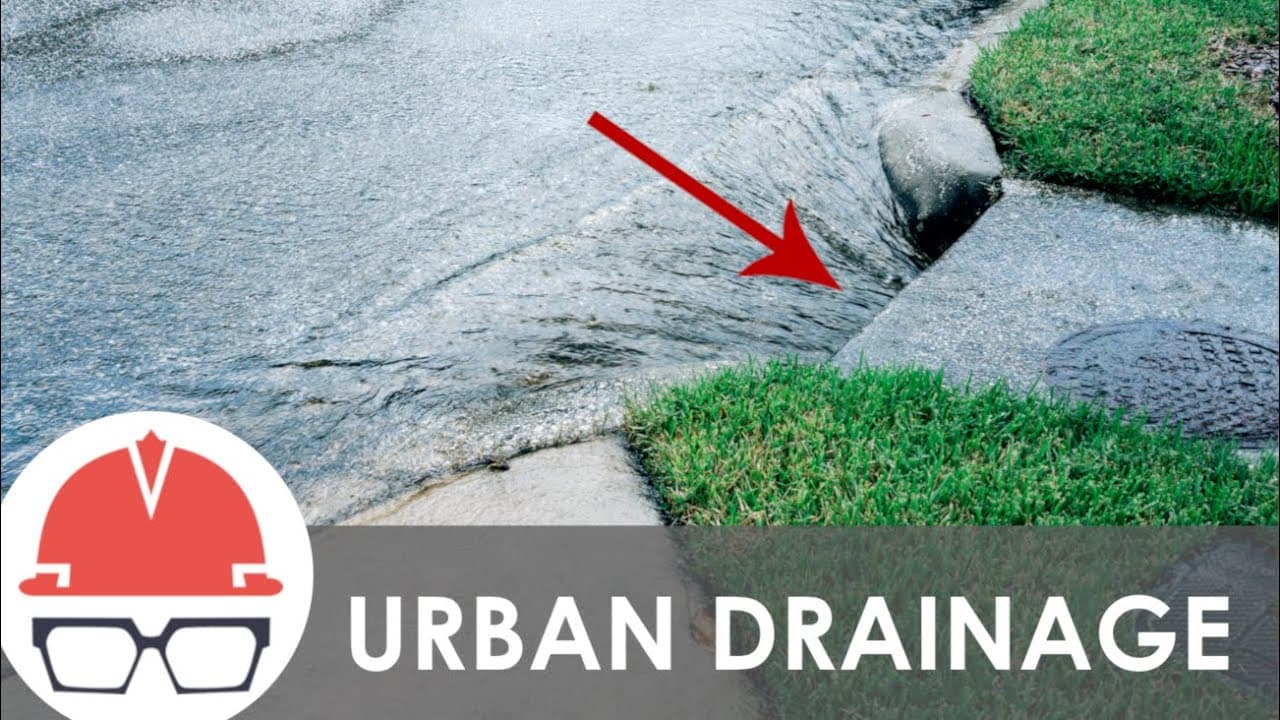
Stormwater in urban areas is managed through drainage systems that quickly channel runoff away from impervious surfaces to prevent flooding and pollution. Modern strategies emphasize low-impact development techniques, like retention ponds and rain gardens, which treat stormwater as a resource rather than waste, enhancing environmental sustainability.
Transcript
Cities, those dense congregations of people and buildings, have made possible economies and lifestyles our early ancestors could never have imagined. Whether you thrive in or despise the concrete jungle, there’s no denying its benefits. Putting all the people, houses, jobs, stores, offices, and diversions in one place gives us humans opportunit... Read More
Key Insights
- Urban areas create challenges for stormwater management due to impervious surfaces that prevent water infiltration, leading to increased runoff and pollution.
- Cities traditionally managed stormwater by quickly directing it away through drainage systems to prevent flooding and property damage.
- Modern stormwater management involves municipal separate storm sewer systems (MS4s) to handle runoff separately from sewage systems, preventing untreated wastewater discharge.
- Channelization of waterways helps reduce floodplain depth but can degrade natural habitats and exacerbate downstream flooding.
- Developers are now required to manage their runoff through on-site storage solutions like retention and detention ponds, reducing peak runoff and pollution.
- Low-impact development strategies aim to replicate natural watershed functions, incorporating features like rain gardens, permeable pavements, and vegetated rooftops.
- Flooding at vehicle crossings poses significant risks, with many flood-related deaths occurring when vehicles attempt to cross submerged roads.
- The shift towards valuing rainwater as a resource is leading to infrastructure that balances urban development with natural hydrologic functions.
Install to Summarize YouTube Videos and Get Transcripts
Explore YouTube Video Summarizer or Get YouTube Transcript Extractor
Questions & Answers
Q: What challenges do cities face in managing stormwater?
Cities face challenges in managing stormwater due to impervious surfaces like streets and buildings that prevent water infiltration. This leads to increased runoff, which can cause flooding, pollution, and strain on drainage systems. Managing this runoff is crucial for public safety, property protection, and environmental health.
Q: How do municipal separate storm sewer systems (MS4s) work?
Municipal separate storm sewer systems (MS4s) are designed to handle stormwater runoff separately from sewage systems. They consist of networks of ditches, curbs, gutters, and pipes that direct runoff from urban areas to natural waterways without treatment. This prevents overloading sewage systems and reduces the risk of untreated wastewater discharge.
Q: What are the drawbacks of channelizing natural waterways in cities?
Channelizing natural waterways involves enlarging and lining them with concrete to quickly move water away, reducing floodplain depth. However, this can degrade natural habitats, worsen downstream flooding, and create unattractive urban environments. It highlights the need for sustainable stormwater management approaches that balance urban development with ecological preservation.
Q: Why are retention and detention ponds important in stormwater management?
Retention and detention ponds are crucial in stormwater management as they provide on-site storage for runoff. They act like sponges, absorbing rainwater from impervious surfaces and releasing it slowly into waterways. This reduces peak runoff, minimizes pollution, and helps manage increased runoff from urban development sustainably.
Q: What is low-impact development in stormwater management?
Low-impact development (LID) in stormwater management involves strategies that replicate natural watershed functions within urban areas. It includes features like rain gardens, vegetated rooftops, and permeable pavements. LID aims to manage stormwater sustainably by treating it as a resource, reducing runoff, and enhancing ecological functions.
Q: What risks do vehicle crossings pose during flooding?
Vehicle crossings pose significant risks during flooding, as half of all flood-related deaths occur when vehicles attempt to cross submerged roads. Floodwaters can be deceptive, and even a small amount of swift water can push vehicles off the road. It's crucial to avoid crossing flooded roads and find alternative routes to ensure safety.
Q: How are cities shifting their approach to stormwater management?
Cities are shifting their approach to stormwater management by valuing rainwater as a resource rather than waste. This involves integrating low-impact development strategies that replicate natural watershed functions, enhancing urban infrastructure to manage stormwater sustainably, and reducing reliance on traditional drainage systems that prioritize quick removal of runoff.
Q: What role do natural watersheds play in urban stormwater management?
Natural watersheds play a vital role in urban stormwater management by providing habitats, naturally cleaning runoff, recharging aquifers, and reducing flooding. Cities are increasingly adopting strategies to replicate these functions within urban areas, using features like rain gardens and permeable pavements to manage stormwater sustainably and enhance ecological balance.
Summary & Key Takeaways
-
Urban stormwater management is a complex challenge due to the prevalence of impervious surfaces that increase runoff and pollution. Cities have developed drainage systems to quickly move stormwater away, but modern approaches focus on integrating natural watershed functions to manage water sustainably.
-
Traditional stormwater management involved directing runoff into sewage systems, causing issues with untreated wastewater discharge. Nowadays, cities use separate storm sewer systems and require developers to mitigate increased runoff through on-site storage solutions like retention and detention ponds.
-
Low-impact development strategies are gaining traction, aiming to replicate natural watershed functions within urban areas. These include rain gardens, permeable pavements, and vegetated rooftops, which help manage stormwater as a valuable resource rather than waste, while reducing flood risks.
Read in Other Languages (beta)
Share This Summary 📚
Summarize YouTube Videos and Get Video Transcripts with 1-Click
Try YouTube Summary with ChatGPT & Claude or YouTube Transcript Generator
Explore More Summaries from Practical Engineering 📚


Summarize YouTube Videos and Get Video Transcripts with 1-Click
Try YouTube Summary with ChatGPT & Claude or YouTube Transcript Generator