The Illusion of Free Will - Carl Jung’s Darkest Truth
TL;DR
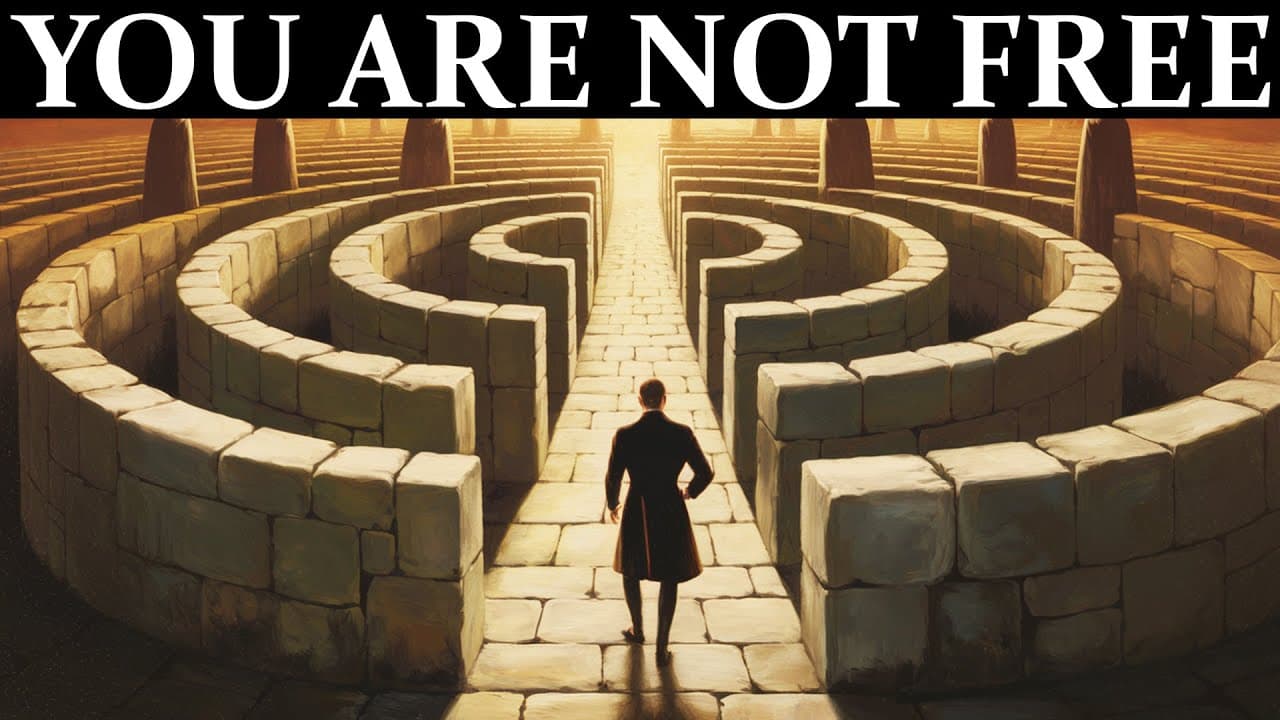
Carl Jung argues free will is an illusion shaped by the unconscious.
Transcript
do you really have control over your life before answering think carefully did you choose your desires your beliefs your fears or were they implanted in you by your family by Society by experiences you don't even remember we all like to believe that we're free that our decisions are the result of a rational and independent mind but what if all of t... Read More
Key Insights
- Carl Jung suggests that much of what we consider free will is actually influenced by unconscious forces, making our perceived control over life an illusion.
- Our desires, beliefs, and fears may not be self-chosen but rather implanted by family, society, and past experiences, often without our conscious awareness.
- The unconscious mind is a powerful force that guides our decisions through hidden patterns and unresolved traumas, often leading to repetitive cycles of behavior.
- The concept of the Shadow in Jungian psychology represents the repressed aspects of our psyche that influence our thoughts and actions without our awareness.
- Social conditioning and societal norms further manipulate our desires and beliefs, creating a collective illusion of independence and freedom.
- Dreams serve as a window into our unconscious, revealing the hidden desires and fears that we repress in waking life, offering insights into our true selves.
- Individuation is the process of integrating all parts of the psyche, including the Shadow, to achieve true self-awareness and freedom from unconscious influences.
- Awakening to the reality of the unconscious can be unsettling, as it challenges the illusion of control and requires conscious effort to redefine one's identity and choices.
Install to Summarize YouTube Videos and Get Transcripts
Explore YouTube Video Summarizer or Get YouTube Transcript Extractor
Questions & Answers
Q: What is Carl Jung's view on free will?
Carl Jung believed that free will is largely an illusion, as our decisions are heavily influenced by unconscious forces. He argued that what we perceive as rational and independent choices are often guided by hidden patterns and unresolved traumas from our past, making true autonomy difficult to achieve.
Q: How does the unconscious influence our decisions?
The unconscious influences our decisions by shaping our desires, beliefs, and fears without our conscious awareness. It operates silently, manifesting in impulsive behaviors, inexplicable intuitions, and repetitive cycles. These unconscious forces often lead us to make choices that align with past conditioning rather than genuine self-determined desires.
Q: What role does the Shadow play in our psyche?
The Shadow, in Jungian psychology, represents the repressed aspects of our psyche that we hide from ourselves and others. It influences our thoughts, emotions, and decisions without conscious awareness, often manifesting in unexpected reactions, projections onto others, and self-sabotaging behaviors. Recognizing and integrating the Shadow is crucial for achieving self-awareness.
Q: How does societal conditioning affect our beliefs and desires?
Societal conditioning affects our beliefs and desires by imposing norms and expectations that shape our values and goals. From childhood, we are taught to conform to societal standards, often without questioning their validity. This conditioning creates a collective illusion of independence, influencing our thoughts, actions, and perceived self-worth.
Q: Why are dreams significant in understanding the unconscious?
Dreams are significant in understanding the unconscious because they provide a direct window into our hidden desires and fears. While we sleep, the conscious mind's defenses weaken, allowing repressed aspects of the psyche to surface. Analyzing dreams can reveal insights into unresolved issues and guide the process of individuation.
Q: What is individuation, and why is it important?
Individuation is the process of integrating all parts of the psyche, including the Shadow, to achieve true self-awareness and autonomy. It involves questioning societal norms, confronting repressed aspects, and aligning one's actions with genuine desires. This journey is essential for breaking free from unconscious influences and living authentically.
Q: How does awakening to the unconscious affect one's life?
Awakening to the unconscious can be unsettling, as it challenges the illusion of control and requires re-evaluating one's identity and choices. It involves recognizing the hidden forces that shape behavior and taking conscious steps to redefine one's path. This process can lead to greater self-awareness and authenticity but may also bring discomfort and responsibility.
Q: What challenges arise from questioning societal norms and beliefs?
Questioning societal norms and beliefs can lead to isolation and conflict, as society often resists those who deviate from established patterns. It requires courage to challenge deeply ingrained values and face the discomfort of uncertainty. However, this process is crucial for individuation and achieving true autonomy, as it allows individuals to align their actions with authentic desires.
Summary & Key Takeaways
-
Carl Jung's theory posits that free will is largely an illusion, with our decisions heavily influenced by unconscious forces and societal conditioning. He emphasizes the role of the unconscious in shaping our desires and beliefs, often leading to repetitive patterns and behaviors.
-
The Shadow, a key concept in Jungian psychology, represents the repressed parts of our psyche that influence our actions without conscious awareness. Dreams serve as a portal to these hidden aspects, revealing truths about our desires and fears.
-
Individuation, according to Jung, is the path to true freedom and self-awareness. It involves integrating all parts of the psyche, challenging societal norms, and questioning deeply held beliefs to escape the invisible prison of unconscious influences.
Read in Other Languages (beta)
Share This Summary 📚
Summarize YouTube Videos and Get Video Transcripts with 1-Click
Try YouTube Summary with ChatGPT & Claude or YouTube Transcript Generator
Explore More Summaries from Psyphoria 📚



Summarize YouTube Videos and Get Video Transcripts with 1-Click
Try YouTube Summary with ChatGPT & Claude or YouTube Transcript Generator