What Are Hydraulic Structures and Why Are They Important?
TL;DR
Hydraulic structures, such as jetties, weirs, and tetrapods, are essential for managing water flow, protecting shorelines from erosion, and ensuring navigable waterways. They also play a critical role in urban design initiatives like daylighting, which aims to restore buried streams for ecological benefits. Overall, these structures help mitigate flooding and support community needs while promoting responsible water management.
Transcript
The damage and destruction caused by Hurricane Matthew this month has got flooding on my mind. Water is one our most basic needs, but it also can be our worst enemy. You may know that managing water is one of the most important aspects of civil engineering, so today we’re talking about hydraulic structures. I’m Grady and this is "What’s that Infras... Read More
Key Insights
- Hydraulic structures play a crucial role in managing water, which can be both essential and destructive. They are vital in civil engineering for controlling water flow and mitigating damage from natural events like hurricanes.
- Tetrapods are specially engineered blocks used to armor shorelines against waves. Their interlocking design helps dissipate wave energy without being dislodged, making them effective in protecting coastal areas.
- Jetties, like the ones in Port Aransas, Texas, are built using massive granite blocks to break waves and minimize erosion, ensuring that shipping channels remain open for cargo traffic.
- Daylighting or deculverting is an urban design movement that aims to bring buried streams back aboveground, recognizing their ecological and community importance beyond just rainwater drainage.
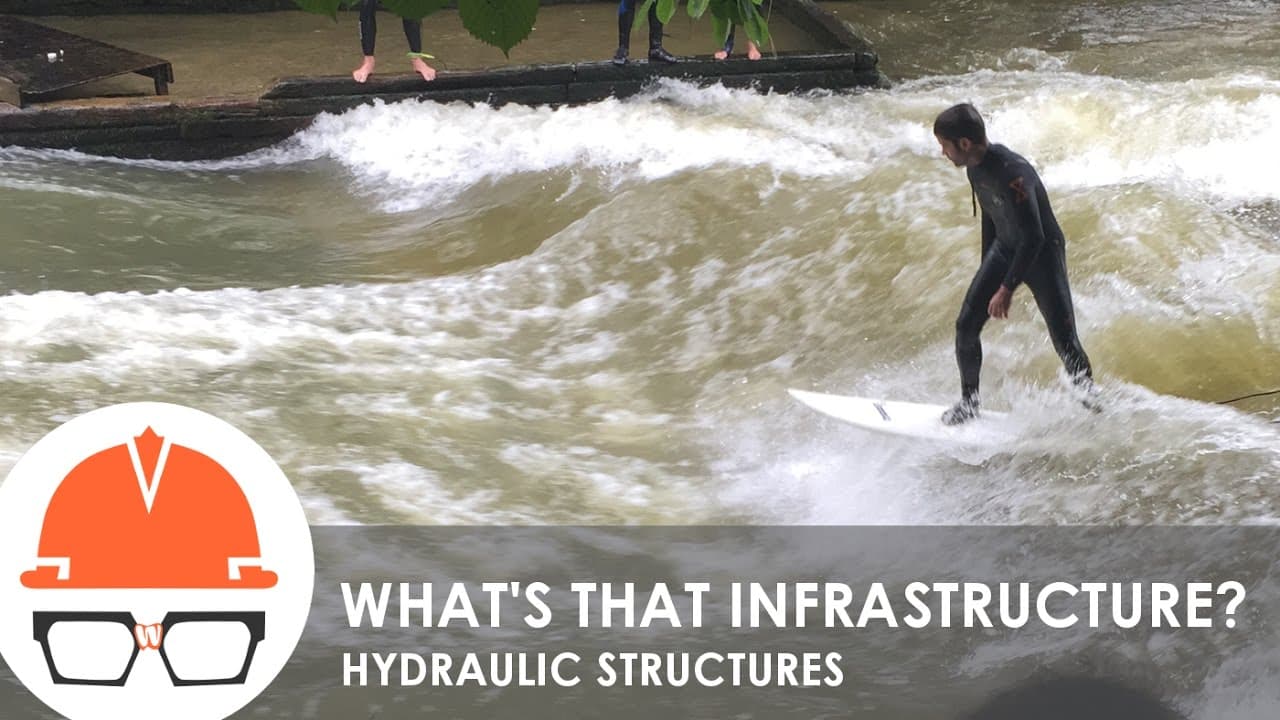
- Hydraulic jumps, such as those created by dams or spillways, are phenomena where fast-moving water transitions into slower flow. These jumps can create standing waves, which are sometimes used for recreational activities like surfing.
- Weirs are structures that hold rivers at a constant level and manage flow during increased water levels. Engineers have developed creative designs, such as piano key and labyrinth weirs, to maximize weir length in limited spaces.
- Storm drains that lead directly into waterways are often marked to remind people of the environmental impact of improper waste disposal, emphasizing the need for responsible waste management.
- Community engagement and contributions, such as sharing photos and insights, play a significant role in expanding the understanding and appreciation of infrastructure through platforms like Practical Engineering.
Install to Summarize YouTube Videos and Get Transcripts
Explore YouTube Video Summarizer or Get YouTube Transcript Extractor
Questions & Answers
Q: What are tetrapods and their purpose?
Tetrapods are specially engineered concrete structures designed to interlock with each other, providing a robust armor for shorelines against wave action. Their unique design allows them to dissipate wave energy effectively without being dislodged, making them an essential component in coastal protection and erosion prevention.
Q: How do jetties contribute to maintaining shipping channels?
Jetties, such as those in Port Aransas, Texas, are constructed using massive granite blocks to break waves and reduce erosion along barrier islands. By mitigating these natural forces, jetties help keep shipping channels open and navigable, ensuring safe and efficient passage for cargo ships entering and exiting waterways like the intracoastal waterway.
Q: What is the concept of daylighting in urban design?
Daylighting is an urban design movement aimed at uncovering and restoring buried streams and rivers to their natural state aboveground. This practice recognizes the ecological and community benefits of natural waterways, promoting biodiversity, enhancing aesthetics, and improving urban environments by integrating natural water features into city landscapes.
Q: What is a hydraulic jump and its significance?
A hydraulic jump is a phenomenon where fast-moving water transitions into a slower flow, often occurring at structures like dams or spillways. This transition creates a standing wave, which can be used for recreational purposes such as surfing. Hydraulic jumps are significant in engineering for energy dissipation and flow management in various water control structures.
Q: How do weirs manage river flow and levels?
Weirs are structures designed to maintain constant river levels and manage flow during increased water conditions. By controlling the height and length of the weir, engineers can regulate water discharge without significantly raising river depths. Innovative designs like piano key and labyrinth weirs maximize weir length in constrained areas, enhancing flow management capabilities.
Q: Why are storm drain markers important?
Storm drain markers are crucial for environmental awareness, indicating that the drain leads directly into a waterway rather than a treatment plant. These markers remind the public of the potential environmental impact of improper waste disposal, emphasizing the importance of responsible waste management to prevent pollution and protect aquatic ecosystems.
Q: How does Practical Engineering engage with its audience?
Practical Engineering engages with its audience by inviting viewers to share photos and insights related to infrastructure. This community involvement enriches the content and fosters a deeper understanding of engineering concepts. Additionally, contributors whose photos are featured receive a Practical Engineering sticker, further encouraging participation and interaction.
Q: What are the benefits of community contributions to Practical Engineering?
Community contributions to Practical Engineering enhance the diversity and richness of content by providing real-world examples and insights into various infrastructure projects. These contributions help to broaden the audience's understanding of engineering concepts, promote knowledge sharing, and build a sense of community around the appreciation and exploration of infrastructure.
Summary & Key Takeaways
-
The video discusses various hydraulic structures and their significance in managing water, highlighting the engineering behind tetrapods, jetties, and weirs. It emphasizes the importance of these structures in protecting against natural events and maintaining waterways for shipping.
-
Urban design movements like daylighting aim to bring streams back aboveground to enhance ecological and community benefits. The video also covers phenomena like hydraulic jumps and their recreational uses, showcasing the multifaceted roles of hydraulic structures.
-
The Practical Engineering channel encourages community participation by inviting viewers to share photos and insights. This engagement helps expand the understanding of infrastructure, while also promoting responsible waste management and environmental awareness.
Read in Other Languages (beta)
Share This Summary 📚
Summarize YouTube Videos and Get Video Transcripts with 1-Click
Try YouTube Summary with ChatGPT & Claude or YouTube Transcript Generator
Explore More Summaries from Practical Engineering 📚



Summarize YouTube Videos and Get Video Transcripts with 1-Click
Try YouTube Summary with ChatGPT & Claude or YouTube Transcript Generator