Why Some Roads Are Made of Styrofoam
TL;DR
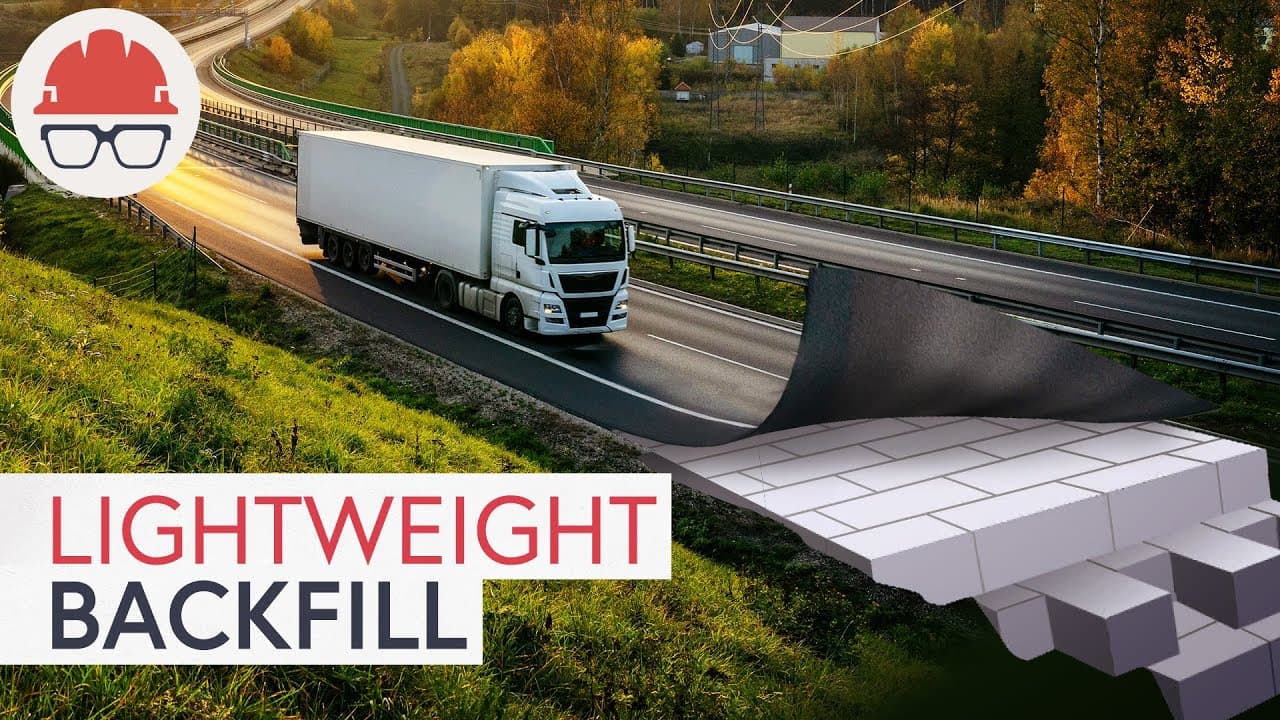
Engineers use lightweight fills like styrofoam to prevent road bumps.
Transcript
If you’ve ever driven or ridden in an automobile, there’s a near 100% chance you’ve hit a bump in the road as you transition onto or off of a bridge. In fact, some studies estimate that it happens on a quarter of all bridges in the US! It’s dangerous to drivers and expensive to fix, but the reason it happens isn’t too complicated to understand.... Read More
Key Insights
- The transition bumps on bridges are due to different settlement rates of bridges and embankments, often caused by heavy soil embankments on soft ground.
- Lightweight materials such as wood fibers, shredded tires, expanded shale, and foamed glass aggregates are used to reduce embankment weight.
- EPS foam, also known as geofoam, is used in road construction for its lightweight and compressive strength but has limitations like susceptibility to fuel and water.
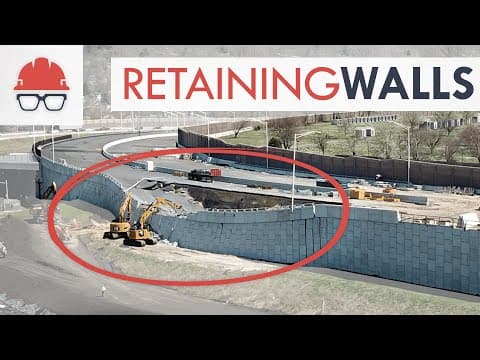
- Lightweight materials reduce lateral earth pressure on retaining walls, leading to cost savings in construction projects like Port Canaveral's retaining wall.
- Cellular concrete, a lightweight fill, can be pumped into place, simplifying construction in hard-to-reach areas and reducing the need for heavy equipment.
- Geofoam's insulating properties can lead to road icing issues, and its lightweight nature requires consideration of wind forces.
- Engineers balance the benefits of lightweight materials with challenges like buoyancy and material degradation over time.
- Using lightweight materials in infrastructure can lead to significant cost savings and longer-lasting roadways by preventing settlement issues.
Install to Summarize YouTube Videos and Get Transcripts
Explore YouTube Video Summarizer or Get YouTube Transcript Extractor
Questions & Answers
Q: Why do transition bumps occur on roads near bridges?
Transition bumps occur because bridges and embankments settle at different rates, especially when heavy soil embankments are placed on soft ground. The bridge is supported by a rigid foundation, while the embankment, essentially a pile of soil, can settle unevenly, causing a bump at the transition point.
Q: What are some lightweight materials used in road construction?
Lightweight materials used in road construction include wood fibers, shredded tires, expanded shale, foamed glass aggregates, cellular concrete, and EPS foam (geofoam). These materials reduce the weight of embankments, minimizing settlement and lateral earth pressure, and are used to improve the durability and cost-effectiveness of infrastructure.
Q: What are the advantages of using EPS foam in construction?
EPS foam, or geofoam, is advantageous in construction due to its lightweight nature and compressive strength. It is easy to handle, requiring no heavy equipment for placement, and can be shaped to fit specific project needs. Its use helps reduce the load on soft soils, thus preventing settlement issues.
Q: What challenges are associated with using geofoam in road construction?
Challenges with geofoam include its buoyancy, which can cause embankments to float away in high water conditions, and its susceptibility to fuel, which can dissolve the material. Additionally, its insulating properties can lead to road icing, and its lightweight nature requires consideration of wind forces during design.
Q: How do lightweight materials benefit retaining wall construction?
Lightweight materials benefit retaining wall construction by reducing lateral earth pressure, which allows for smaller, less expensive retaining structures. This can lead to significant cost savings, as seen in projects like Port Canaveral's retaining wall, where lightweight fills reduced material costs and simplified structural requirements.
Q: What is cellular concrete and how is it used in construction?
Cellular concrete is a lightweight fill made by injecting foam into the concrete mix. It can be pumped directly into place, which is useful in areas difficult to access with traditional equipment. It provides a strong, lightweight solution for reducing load on soft soils and is used in various infrastructure projects.
Q: Why is it important to use lightweight fills in infrastructure projects?
Using lightweight fills in infrastructure projects is important because it helps prevent settlement issues, reduces lateral earth pressure on retaining walls, and can lead to significant cost savings. These materials improve the durability and longevity of roadways, making infrastructure more cost-effective and reliable over time.
Q: What are some considerations engineers must take into account when using lightweight materials?
Engineers must consider factors like buoyancy, material degradation, and environmental conditions when using lightweight materials. They must ensure that materials like geofoam are protected from fuel spills and that designs account for potential wind forces. Balancing these considerations with the benefits of reduced weight is crucial for successful implementation.
Summary & Key Takeaways
-
The video discusses the common issue of transition bumps on bridges caused by different settlement behaviors of bridges and embankments. Engineers use lightweight fills to mitigate this problem, reducing the weight of embankments and preventing uneven settling.
-
Various lightweight materials, including EPS foam and cellular concrete, are explored for their engineering benefits and limitations. These materials help reduce the load on soft soils, minimize lateral earth pressure on retaining walls, and simplify construction processes.
-
Despite challenges like buoyancy and susceptibility to fuel, lightweight fills offer significant cost savings and durability improvements in road construction. The video highlights the importance of innovative engineering solutions in creating more efficient and long-lasting infrastructure.
Read in Other Languages (beta)
Share This Summary 📚
Summarize YouTube Videos and Get Video Transcripts with 1-Click
Try YouTube Summary with ChatGPT & Claude or YouTube Transcript Generator
Explore More Summaries from Practical Engineering 📚


Summarize YouTube Videos and Get Video Transcripts with 1-Click
Try YouTube Summary with ChatGPT & Claude or YouTube Transcript Generator