Why humans have puzzle-shaped cells
TL;DR
Researchers reveal the dynamic shapes of lymphatic capillary cells essential for immune function and fluid absorption.
Transcript
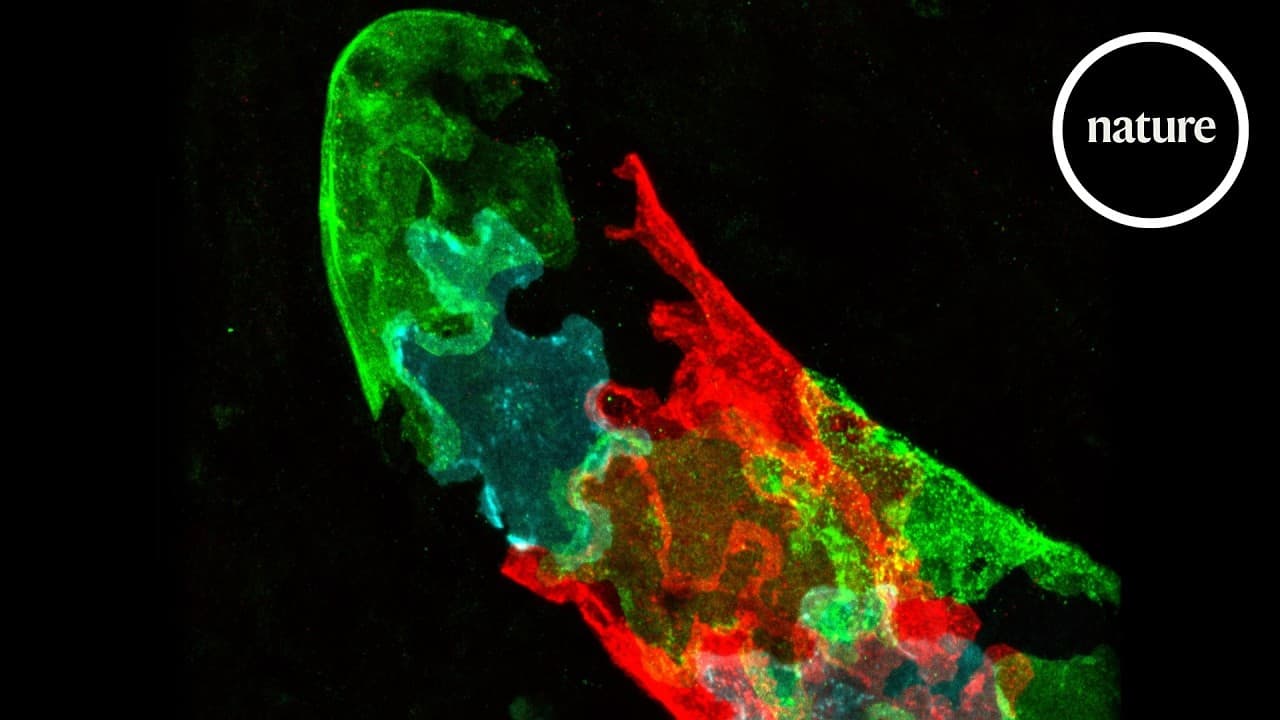
some cells are round some cells are rectangular but some cells well they're a bit of a puzzle these cells have this very unique shape so they have this distinctive um Oak Leaf like shape which is is is very peculiar these are the cells that form the tiny lymph vessels that run throughout the human body their role is to allow immune cells to pass th... Read More
Key Insights
- ⚖️ Lymphatic capillary cells are crucial for immune functioning and fluid balance in the human body.
- 👶 Traditional beliefs about the stability of these cells were overturned by new imaging technologies that reveal their dynamic shapes.
- 😂 The adaptability of lymphatic capillary cells may prevent tearing under varying pressure conditions related to fluid accumulation.
- 🌱 The concept of interlocking and wavy structures exists similarly in both lymphatic cells and plant cells.
- 😒 The use of real-time imaging techniques provides deeper insights into cell behavior, capturing movements previously deemed unobservable.
- 👨🔬 Ongoing research may explore further applications of these findings in understanding lymphatic system diseases and potential therapies.
- 😥 The study points to the importance of cell shape in functionality not just in the lymphatic system but across various biological systems.
Install to Summarize YouTube Videos and Get Transcripts
Explore YouTube Video Summarizer or Get YouTube Transcript Extractor
Questions & Answers
Q: What are lymphatic capillary cells, and what is their function?
Lymphatic capillary cells are specialized cells that create tiny vessels within the lymphatic system. Their primary function is to facilitate the movement of immune cells throughout the body and absorb excess interstitial fluid left behind by the blood. This helps maintain fluid balance and contributes to immune responses.
Q: How do lymphatic capillary cells manage to remain both strong and permeable?
These cells must be strong enough to withstand pressure from fluid buildup but flexible enough to allow fluid to enter. Researchers initially theorized that they might feature flaps, but new findings suggest that their unique shapes and constant movement enable them to meet these requirements effectively.
Q: What advancements allowed researchers to study the dynamics of lymphatic capillary cells?
The study benefited from new imaging techniques that can track live cells over time. This technology allowed researchers to observe the constant changes in shape and movement in lymphatic capillary cells, revealing that these cells are more dynamic than previously thought.
Q: In what ways do the shapes of lymphatic capillary cells contribute to their function?
The distinctive shapes of these cells, described as "Oak Leaf" patterns, enhance their adaptability and fluid absorption capabilities. By continuously shifting their forms, they maintain space for interstitial fluid to enter, ensuring effective immune cell transport while preventing rupture under pressure.
Q: How do the behaviors of lymphatic capillary cells compare to similar structures in plants?
The wavy shapes of lymphatic capillary cells are similar to "puzzle cells" found in plant leaves, which also exhibit interlocking shapes for structural integrity. This adaptability allows both plant and animal cells to withstand stress, highlighting evolutionary parallels between different life forms.
Q: What was the most surprising discovery regarding lymphatic capillary cells during this research?
The most unexpected finding was how dynamic the shape of lymphatic capillary cells is. Instead of being static, these cells are continually changing shape, which had not been fully appreciated until the advent of modern imaging technologies.
Summary & Key Takeaways
-
Lymphatic capillary cells exhibit unique "Oak Leaf" shapes that allow them to facilitate the movement of immune cells and absorb excess fluid in the body.
-
New imaging techniques have uncovered the constant movement and shape-shifting nature of these cells, unlike previous assumptions about their static structure.
-
The study draws parallels between the wavy structures of these lymphatic cells and similar interlocking shapes found in plant cells, highlighting their adaptability under stress.
Read in Other Languages (beta)
Share This Summary 📚
Summarize YouTube Videos and Get Video Transcripts with 1-Click
Try YouTube Summary with ChatGPT & Claude or YouTube Transcript Generator
Explore More Summaries from nature video 📚





Summarize YouTube Videos and Get Video Transcripts with 1-Click
Try YouTube Summary with ChatGPT & Claude or YouTube Transcript Generator