How to Treat Sewage Like Brewing Cider
TL;DR
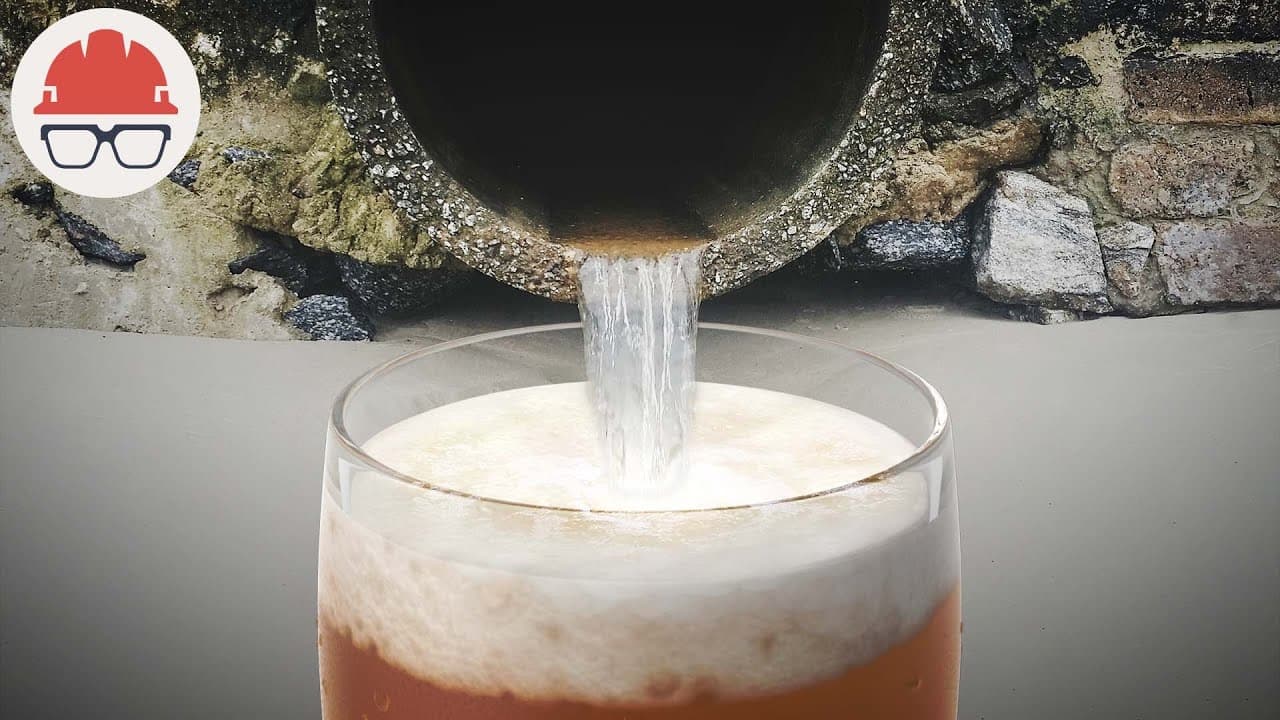
Secondary wastewater treatment and homebrewing both utilize microorganisms to transform liquids into more desirable forms. In wastewater treatment, bacteria help remove nutrients from sewage, while in brewing, yeast converts sugars into alcohol. Both processes involve nutrient removal and settling, but differ in their use of oxygen and types of microorganisms.
Transcript
I’m on a mission to show the world how engrossing human management of sewage can be, and in fact, we’ve followed the flow of domestic wastewater through sewers, lift stations, and primary treatment in previous videos on this channel. If you’ve watched those videos or others I’ve made, you know I like to build scale demonstrations of engineering... Read More
Key Insights
- Secondary wastewater treatment uses microorganisms to remove nutrients from sewage.
- Nutrient pollution is a major environmental issue, requiring careful sewage treatment.
- Bacteria and protozoa are the primary microorganisms used in wastewater treatment.
- Activated sludge is a common method of secondary treatment, involving aeration to maximize microbial activity.
- Fermentation in brewing uses yeast to convert sugars into alcohol, differing from sewage treatment by being anaerobic.
- Both processes involve settling to separate microorganisms from the liquid.
- Wastewater treatment plants are evolving to treat sewage as a resource, often reclaiming water for reuse.
- Homebrewing and wastewater treatment share similarities in nutrient conversion and microorganism utilization.
Install to Summarize YouTube Videos and Get Transcripts
Explore YouTube Video Summarizer or Get YouTube Transcript Extractor
Questions & Answers
Q: How does secondary wastewater treatment work?
Secondary wastewater treatment involves using microorganisms, primarily bacteria and protozoa, to remove dissolved nutrients from sewage. This process typically occurs in aerated basins, where air is bubbled through the sewage to maximize microbial activity. The microorganisms consume organic material, reducing nutrient levels before the water is discharged or further treated.
Q: What is the role of activated sludge in sewage treatment?
Activated sludge is a key component of secondary sewage treatment, where microorganisms break down organic matter in aerated tanks. The process involves maintaining a large microbial population in the sewage, which consumes nutrients. The mixture, known as mixed liquor, undergoes settling to separate the microorganisms, with some being recycled to treat new sewage.
Q: How is brewing cider similar to sewage treatment?
Brewing cider and sewage treatment both use microorganisms to transform liquids. In cider brewing, yeast ferments sugars into alcohol, while in sewage treatment, bacteria remove nutrients from wastewater. Both processes involve nutrient conversion and settling, but differ in the organisms used and the presence of oxygen during the process.
Q: What challenges does nutrient pollution pose?
Nutrient pollution, primarily from organic material, nitrogen, and phosphorus, can lead to excessive microbial growth in water bodies, depleting oxygen levels and harming aquatic life. This makes nutrient removal a critical aspect of sewage treatment. Effective treatment prevents ecological damage and supports environmental sustainability.
Q: Why is aeration important in wastewater treatment?
Aeration is crucial in secondary wastewater treatment as it supplies oxygen to support microbial activity. By bubbling air through sewage, the process enhances the microorganisms' ability to consume and break down organic nutrients, facilitating more efficient nutrient removal and improving water quality before discharge or further treatment.
Q: What is the Biochemical Oxygen Demand (BOD) test?
The BOD test measures the amount of oxygen that microorganisms will consume to break down organic matter in water. It involves incubating a sewage sample for five days and comparing the oxygen levels before and after. This test helps determine the strength of the sewage and the efficiency of the treatment process in reducing nutrient levels.
Q: How is water reclaimed in modern sewage treatment plants?
Modern sewage treatment plants often treat wastewater to a level suitable for reuse, viewing it as a resource rather than waste. This involves advanced purification processes to remove contaminants, allowing the water to be used for non-potable applications like irrigation and industrial processes, thereby conserving freshwater resources.
Q: What is the significance of yeast in cider brewing?
Yeast plays a vital role in cider brewing by fermenting sugars present in the apple juice into alcohol and carbon dioxide. This anaerobic process requires a sealed environment to prevent oxygen exposure, which would halt alcohol production. The yeast also helps in creating the desired flavor profile and alcohol content in the final product.
Summary & Key Takeaways
-
Secondary wastewater treatment and homebrewing both utilize microorganisms to transform liquids into more desirable forms. In wastewater treatment, bacteria help remove nutrients from sewage, while in brewing, yeast converts sugars into alcohol. Both processes involve nutrient removal and settling, but differ in their use of oxygen and types of microorganisms.
-
Nutrient pollution in sewage can lead to environmental harm, making its removal crucial. Activated sludge is a prevalent method where aeration supports microbial activity. In brewing, yeast fermentation occurs anaerobically to produce alcohol. Both processes require settling to separate microorganisms from the liquid.
-
Wastewater treatment plants are increasingly treating sewage as a resource, reclaiming water for non-potable uses. This shift highlights the value of water and parallels homebrewing, where microorganisms convert nutrients for a desirable outcome. Both fields emphasize the efficient use of biological processes for liquid transformation.
Read in Other Languages (beta)
Share This Summary 📚
Summarize YouTube Videos and Get Video Transcripts with 1-Click
Try YouTube Summary with ChatGPT & Claude or YouTube Transcript Generator
Explore More Summaries from Practical Engineering 📚




Summarize YouTube Videos and Get Video Transcripts with 1-Click
Try YouTube Summary with ChatGPT & Claude or YouTube Transcript Generator