How Corruption Works
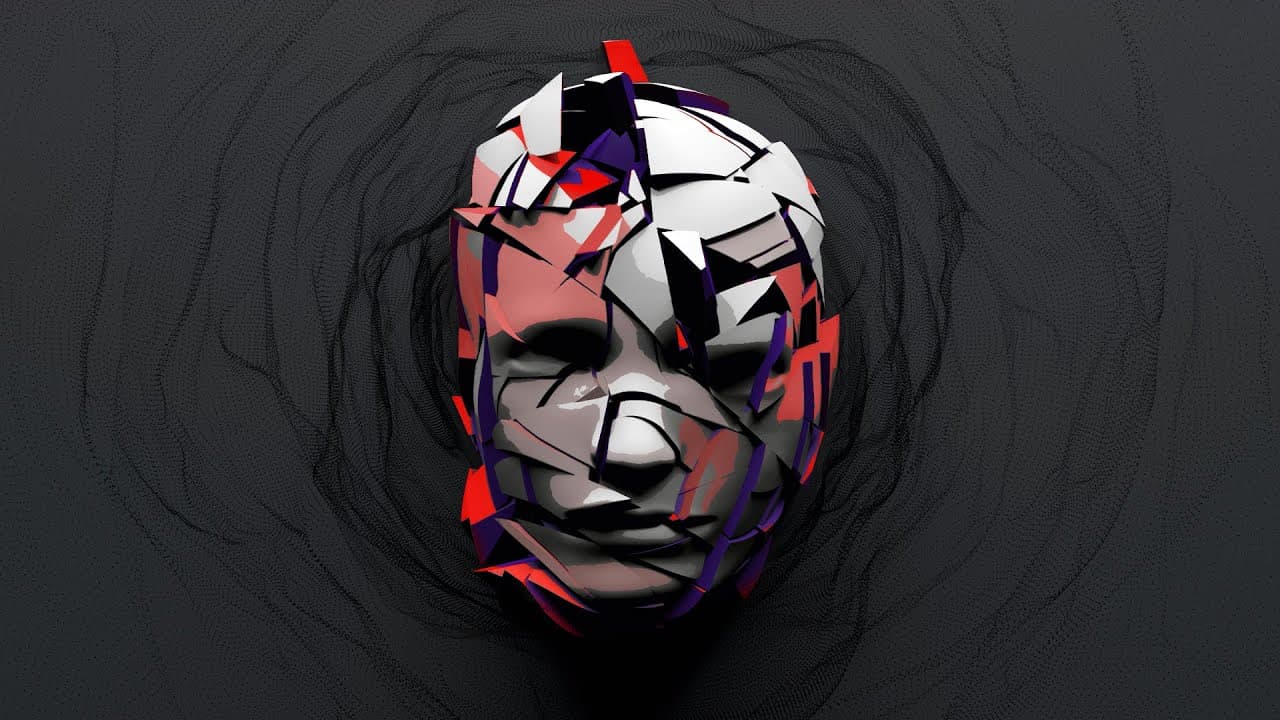
TL;DR
Corruption is an existential issue rooted in human nature.
Transcript
let's talk about how corruption works every government on the face of the earth for the last 10,000 years has been dealing with corruption and we still haven't eliminated it yet there's still a lot of it left so you have to wonder why is that you would think with 10,000 years of evolution and advancement we would have gotten it all by now and yet w... Read More
Key Insights
- Corruption has been a persistent issue throughout human history, suggesting a deeper existential problem rather than just individual bad actors.
- Every government and organization worldwide has dealt with corruption, indicating it's not a problem of specific parties but a universal issue.
- Corruption is often misunderstood as a black-and-white issue, but it's deeply tied to relativity and personal perspective.
- The root of corruption lies in selfishness, ego, and survival instincts, which distort reality and justify self-serving actions.
- Corruption is not limited to government; it permeates various sectors, including business, religion, education, and even personal relationships.
- Power magnifies corruption, making it easier to exploit and manipulate others for personal gain, often leading to a lack of accountability.
- Cultural norms and ideologies often perpetuate corruption, as they are rarely questioned and are passed down through generations.
- True integrity and consciousness are necessary to combat corruption, as mechanical adherence to rules often leads to further corruption.
Install to Summarize YouTube Videos and Get Transcripts
Explore YouTube Video Summarizer or Get YouTube Transcript Extractor
Questions & Answers
Q: Why has corruption persisted for 10,000 years?
Corruption has persisted for 10,000 years because it is deeply rooted in human nature, stemming from selfishness, ego, and survival instincts. These elements distort reality and justify self-serving actions, making it an existential problem rather than just an issue of individual bad actors. The complexity of human psychology and societal structures further perpetuates corruption across generations.
Q: Is corruption limited to government?
No, corruption is not limited to government. It permeates various sectors, including business, religion, education, science, healthcare, and even personal relationships. Corruption can manifest in any area where power and influence are present, as individuals and organizations may abuse entrusted power for personal gain, leading to widespread societal impacts.
Q: How does power amplify corruption?
Power amplifies corruption by providing individuals with increased opportunities to exploit and manipulate others for personal gain. As people gain power, they may become less accountable, and their actions can have broader impacts. The temptations of power, such as access to money, sex, and influence, can lead to further moral decay and justify unethical behavior, making it difficult to maintain integrity.
Q: What role does cultural ideology play in corruption?
Cultural ideology plays a significant role in corruption by perpetuating norms and beliefs that are rarely questioned. These ideologies are passed down through generations, creating a framework that can justify or excuse corrupt behavior. As people conform to these cultural norms, they may unknowingly perpetuate corruption, making it a systemic issue that is difficult to eradicate.
Q: Why is true integrity necessary to combat corruption?
True integrity is necessary to combat corruption because mechanical adherence to rules and norms often leads to further corruption. Integrity involves a deep awareness of one's biases and self-deceptions, allowing individuals to act with consciousness and moral clarity. Without true integrity, individuals may unknowingly perpetuate corruption by conforming to flawed systems and ideologies.
Q: How does relativity influence perceptions of corruption?
Relativity influences perceptions of corruption by highlighting that what is seen as corrupt from one perspective may not be viewed the same way from another. People's personal biases, survival instincts, and cultural backgrounds shape their understanding of corruption, making it a subjective issue. Recognizing this relativity is crucial for addressing the root causes of corruption and fostering greater awareness.
Q: What is the relationship between Spiral Dynamics and corruption?
Spiral Dynamics suggests that the lower one's stage on the spiral, the more corrupt they are likely to be. Lower stages correspond to lower levels of consciousness and moral development, leading to more self-centered and conformist behavior. As individuals progress to higher stages, they become more aware of their biases and more capable of acting with integrity, reducing the likelihood of corruption.
Q: Why is it challenging to eliminate corruption in third-world countries?
Eliminating corruption in third-world countries is challenging due to the desperate survival conditions that foster selfish and opportunistic behavior. Limited resources and pervasive poverty create a dog-eat-dog environment where individuals prioritize personal gain over collective well-being. Additionally, entrenched cultural norms and corrupt systems make it difficult to implement effective reforms, slowing down societal progress.
Summary & Key Takeaways
-
Corruption is a universal problem that has persisted throughout history, affecting all governments and organizations. It's not limited to individual bad actors but is a deeper existential issue rooted in human nature.
-
The root causes of corruption are selfishness, ego, and survival instincts, which distort reality and justify self-serving actions. Corruption is prevalent in various sectors, including government, business, religion, and personal relationships.
-
To combat corruption, true integrity and consciousness are necessary. Cultural norms and ideologies often perpetuate corruption, and mechanical adherence to rules can lead to further corruption. Awareness of one's biases and self-deceptions is crucial.
Read in Other Languages (beta)
Share This Summary 📚
Summarize YouTube Videos and Get Video Transcripts with 1-Click
Try YouTube Summary with ChatGPT & Claude or YouTube Transcript Generator
Explore More Summaries from Actualized.org 📚




Summarize YouTube Videos and Get Video Transcripts with 1-Click
Try YouTube Summary with ChatGPT & Claude or YouTube Transcript Generator