How to Learn Through Observation
TL;DR
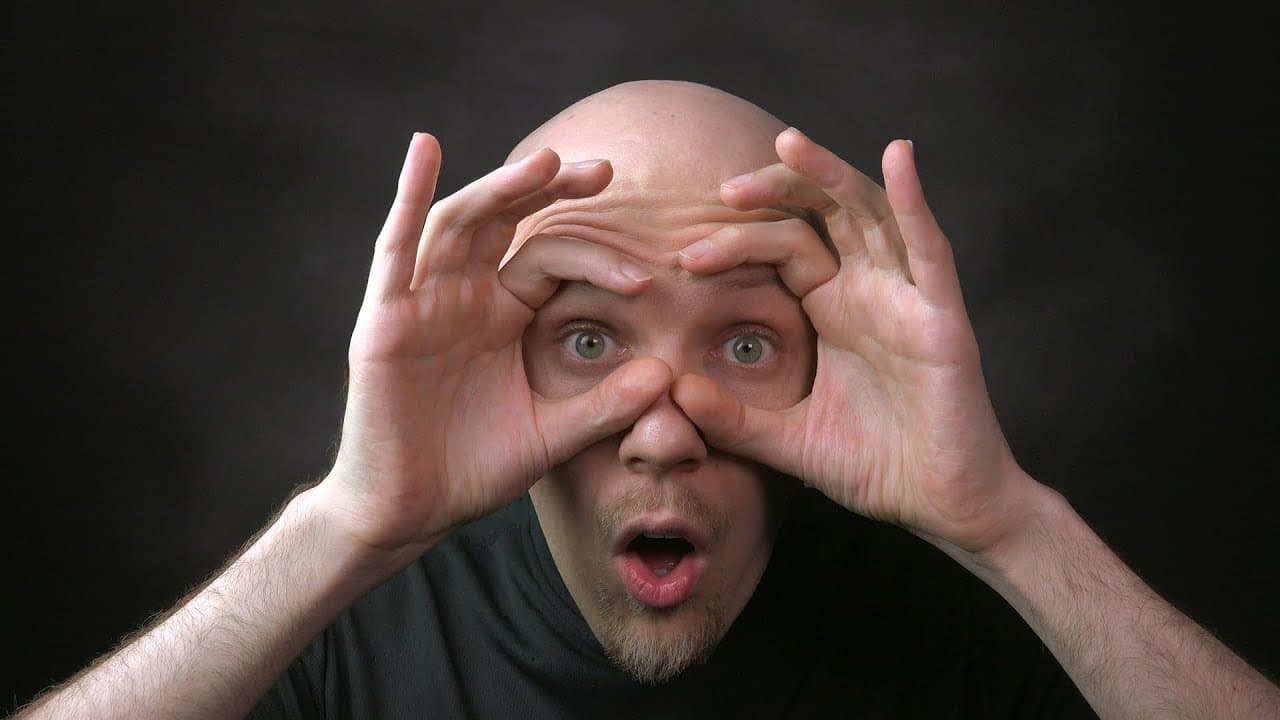
The deepest learning occurs through observation by simply looking at things without an agenda. This method, akin to pure awareness, allows one to access unmediated reality and develop profound insights. Observation transcends manipulation, bias, and preconceived notions, leading to spontaneous learning and creativity.
Transcript
hey leo here for actualised org and in this episode I'm going to be talking about how learning equals observation you a while back I released an episode called learning equals behavior change a lot of you guys liked that episode it was a pretty important one it was a very practical one I think for many people opened a lot of people's eyes but in th... Read More
Key Insights
- Observation is the deepest form of learning, involving focused attention without an agenda.
- Leonardo da Vinci exemplified mastery in observation, which fueled his diverse achievements.
- Observation is distinct from thinking or manipulating; it requires patience and focus.
- Pure observation transcends language, logic, and biases, offering unmediated access to reality.
- Our culture values knowing and acting over unbiased observation, making it a rare skill.
- Observation can lead to spontaneous insights and creativity without active manipulation.
- Developing observation skills involves sitting with an object and dropping all preconceived notions.
- Observation allows one to see reality beyond cultural and personal biases, akin to a meditative practice.
Install to Summarize YouTube Videos and Get Transcripts
Explore YouTube Video Summarizer or Get YouTube Transcript Extractor
Questions & Answers
Q: How does observation lead to learning?
Observation leads to learning by allowing one to focus intently on an object or situation without preconceived notions or agendas. This process transcends language and logic, offering unmediated access to reality. Through sustained observation, spontaneous insights and creativity emerge, revealing deeper truths and understanding that are often overlooked in our action-oriented culture.
Q: What makes observation a rare skill?
Observation is a rare skill because our culture prioritizes knowing, thinking, and acting over unbiased observing. This cultural bias, combined with the immediate gratification of manipulation, discourages people from developing patience and focus required for observation. Additionally, observation's simplicity and lack of immediate payoff make it undervalued in a society that rewards quick results and expertise.
Q: How can one practice observation effectively?
To practice observation effectively, sit with an object, such as a leaf or a pen, and focus on it without any agenda or preconceived notions. Drop all thoughts of manipulation and simply observe the object patiently and curiously. This practice requires overcoming boredom and maintaining focus, allowing insights and a deeper understanding of the object's essence to emerge naturally over time.
Q: Why is observation compared to meditation?
Observation is compared to meditation because both practices involve focusing the mind and dropping preconceived notions to access a deeper understanding of reality. Like meditation, observation requires patience, focus, and the ability to overcome distractions. However, observation is distinct in its emphasis on direct interaction with the object of focus, offering unmediated access to reality without the baggage of traditional meditation techniques.
Q: What role did observation play in Leonardo da Vinci's work?
Observation played a crucial role in Leonardo da Vinci's work, enabling him to excel in diverse fields such as art, science, and engineering. His meticulous attention to detail and ability to observe without bias allowed him to develop groundbreaking insights and innovations. Da Vinci's observational skills were central to his creativity and understanding, making him a masterful observer and a model for self-actualization.
Q: How does observation transcend biases and preconceived notions?
Observation transcends biases and preconceived notions by encouraging a direct, agenda-free focus on the object or situation at hand. By dropping all labels, language, and cultural influences, one can access the essence of reality without the distortions of personal or societal biases. This practice allows for a clearer, more authentic understanding of the world, fostering insights and creativity that are often obscured by preconceived ideas.
Q: What is the ultimate test of observation ability?
The ultimate test of observation ability is the capacity to perceive nothingness, the subtle and often overlooked aspect of reality. This involves seeing beyond the physical and conceptual layers to recognize the interconnectedness and essence of all things. Mastering this level of observation requires heightened awareness and the ability to transcend conventional perceptions, as exemplified by historical figures like Leonardo da Vinci.
Q: Why is observation powerful despite its simplicity?
Observation is powerful despite its simplicity because it provides unmediated access to reality, allowing for spontaneous insights and creativity. By focusing intently on an object without an agenda, observation transcends language, logic, and biases, revealing deeper truths. This practice fosters personal growth and understanding, offering a rare and profound connection to the essence of objects and situations, often overlooked in our action-oriented culture.
Summary & Key Takeaways
-
Observation is the simplest yet most profound form of learning, emphasizing focused attention without preconceived notions. It transcends manipulation and biases, offering direct access to reality and fostering spontaneous insights. This approach is exemplified by figures like Leonardo da Vinci, who harnessed observation to achieve remarkable creativity and understanding.
-
Our culture often overlooks observation in favor of knowing and acting, making it a rare skill. However, by practicing observation, one can develop a deeper understanding of reality, transcending language and logic. This method encourages patience and focus, leading to creativity and unmediated access to the essence of objects.
-
To cultivate observation skills, one must sit with an object, dropping all agendas and biases. This practice, akin to meditation, allows for profound insights and creativity, as seen in historical figures like Leonardo da Vinci. Observation not only enhances personal growth but also offers a deeper connection to reality and its inherent magic.
Read in Other Languages (beta)
Share This Summary 📚
Summarize YouTube Videos and Get Video Transcripts with 1-Click
Try YouTube Summary with ChatGPT & Claude or YouTube Transcript Generator
Explore More Summaries from Actualized.org 📚



Summarize YouTube Videos and Get Video Transcripts with 1-Click
Try YouTube Summary with ChatGPT & Claude or YouTube Transcript Generator