Turning a Handle for a Carbide Tool on the Lathe
TL;DR
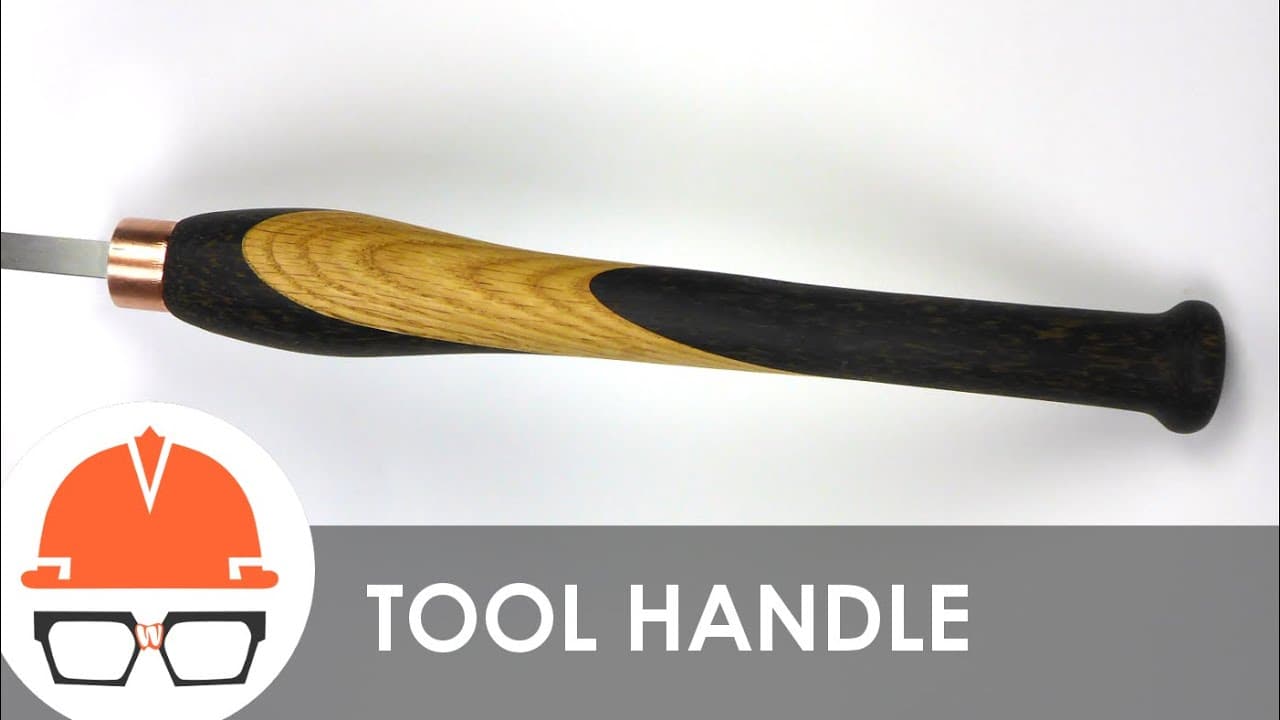
A hobbyist makes a tool handle from palmwood and red oak.
Transcript
I've been using this radius square carbide cutter as my main lathe tool for several months now from what I've read a lot of people prefer the traditional high-speed steel gouges and scrapers over these especially those who do a lot of turning for me though since this is just a hobby this tool has made turning very approachable and I've been able to... Read More
Key Insights
- The author uses a carbide cutter for turning, finding it approachable for hobbyists compared to traditional high-speed steel tools.
- Challenges arise when using the carbide cutter on smaller bowls, leading to the purchase of a round carbide tool.
- The handle is crafted from palmwood and red oak, chosen for its unique properties and aesthetic appeal.
- The process involves laminating the materials at an oblique angle, requiring careful cutting and gluing techniques.
- Safety precautions are highlighted, especially when cutting materials with a table saw, emphasizing the importance of using scrap wood correctly.
- The handle's design follows a Louisville Slugger shape, with a copper pipe ferrule, showcasing a blend of functionality and creativity.
- Drilling challenges are encountered, leading to a decision to skip drilling and finish the handle using alternative methods.
- Despite imperfections, the project is deemed a success, offering valuable learning experiences and a functional tool handle.
Install to Summarize YouTube Videos and Get Transcripts
Explore YouTube Video Summarizer or Get YouTube Transcript Extractor
Questions & Answers
Q: Why did the author choose a carbide cutter over traditional tools?
The author opted for a carbide cutter due to its ease of use, making it more approachable for hobbyists compared to traditional high-speed steel tools. This choice allowed the author to create projects they are proud of, despite lacking the expertise often required for traditional tools.
Q: What materials were used for the handle, and why?
The handle was crafted from palmwood and red oak. Palmwood was chosen for its unique properties, offering a striking appearance despite its challenging composition. Red oak was used for its contrasting aesthetic and durability, providing visual interest and structural support to the handle.
Q: What challenges did the author face during the project?
The author encountered several challenges, including safely cutting materials with a table saw, gluing materials at an oblique angle, and drilling the handle accurately. These challenges required creative problem-solving and adjustments, such as skipping the drilling process and focusing on finishing the handle.
Q: How did the author ensure safety during the project?
Safety was a priority, especially when using the table saw. The author emphasized the importance of using scrap wood correctly to prevent accidents, recommending that others flush the scrap wood to the bottom or use a piece of scrap matching the turning blank's thickness to avoid dangerous situations.
Q: What design choices were made for the handle?
The handle was designed with a Louisville Slugger shape, incorporating a copper pipe ferrule for added durability and aesthetic appeal. This design choice reflects a blend of functionality and creativity, allowing the author to experiment with shapes and materials while maintaining a practical tool.
Q: What was the author's approach to finishing the handle?
The finishing process involved sanding the handle up to 220 grit, despite tear-out issues due to palmwood's composition. The handle was cleaned with mineral spirits and coated with Danish oil, providing a protective finish while highlighting the unique grain pattern and color of the materials used.
Q: What lessons did the author learn from this project?
The project offered valuable lessons in material handling, safety, and creative problem-solving. The author learned to navigate challenges with cutting, gluing, and finishing, gaining confidence in their woodworking skills. Despite imperfections, the project was a success, providing both a functional tool and a rewarding learning experience.
Q: What future projects does the author consider after this experience?
The author expressed interest in potentially using palmwood again, but only in a segmented piece where each segment's end grain is oriented radially. This consideration reflects a desire to experiment further with palmwood's unique properties while overcoming the challenges faced during this project.
Summary & Key Takeaways
-
The author shares their experience of crafting a tool handle using palmwood and red oak. The process involves laminating the materials, shaping the handle, and overcoming challenges with drilling and finishing. Despite some imperfections, the project results in a functional and aesthetically pleasing handle.
-
The project highlights the use of a carbide cutter, a preferred tool for hobbyists due to its ease of use. The author faces challenges with the cutter on smaller bowls, prompting the purchase of a round carbide tool and the creation of a custom handle.
-
Safety and creativity are emphasized throughout the project. The process involves careful cutting, gluing, and shaping techniques, with a focus on overcoming material challenges. The final product, while not perfect, showcases the author's learning journey and craftsmanship.
Read in Other Languages (beta)
Share This Summary 📚
Summarize YouTube Videos and Get Video Transcripts with 1-Click
Try YouTube Summary with ChatGPT & Claude or YouTube Transcript Generator
Explore More Summaries from Practical Engineering 📚






Summarize YouTube Videos and Get Video Transcripts with 1-Click
Try YouTube Summary with ChatGPT & Claude or YouTube Transcript Generator