How to Plan a Solo Meditation Retreat in Nature
TL;DR
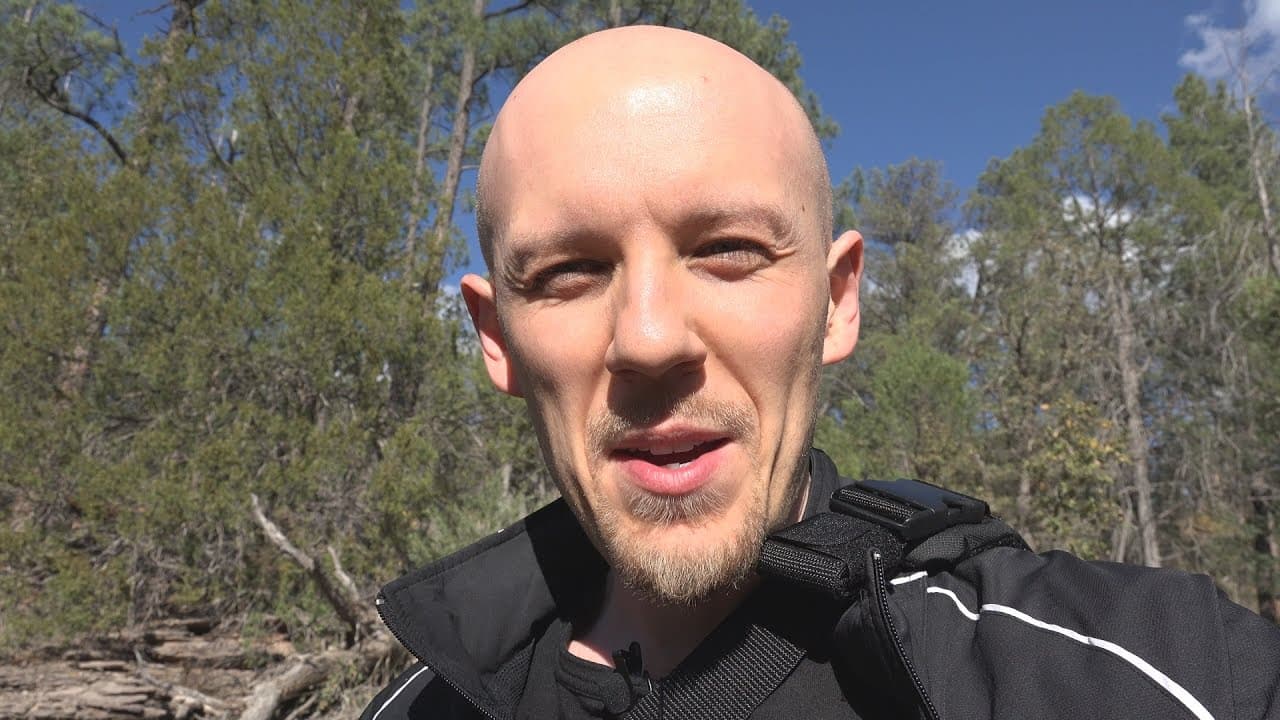
To experience deep meditation, consider a solo retreat in nature. Leo shares his 9-day retreat in an Arizona pine forest, emphasizing the importance of solitude and a distraction-free environment. He discusses preparation, including food and logistics, and reflects on the profound insights gained from extended meditation.
Transcript
hey Leo here for actualized.org and isn't this something different so this is more of a video blog style a video and I'll tell you in a second why that is and what's going on here but I'm sitting in my car and I'm outside my apartment complex and I'm getting ready to go on a trip so what I'm doing here is a solo Meditation Retreat it's going to be ... Read More
Key Insights
- Solo meditation retreats offer deeper experiences than group settings.
- Preparing logistics, like food and location, is crucial for a successful retreat.
- Extended meditation can lead to unprecedented levels of consciousness.
- Changing environments can reset the mind, enhancing meditation focus.
- Investment in a retreat, both time and money, increases commitment.
- Nature settings, like forests, can enhance the meditation experience.
- Consistent practice and discipline are key to achieving meditation goals.
- Solo retreats require careful planning but offer significant personal growth.
Install to Summarize YouTube Videos and Get Transcripts
Explore YouTube Video Summarizer or Get YouTube Transcript Extractor
Questions & Answers
Q: How to plan a solo meditation retreat?
Planning a solo meditation retreat involves selecting a location that offers solitude and a natural setting, such as a forest. Prepare logistics like food, water, and accommodation in advance. Ensure there are no distractions, such as internet or phones, to maintain focus on meditation. Set a strict schedule for meditation practice.
Q: What are the benefits of a solo meditation retreat?
A solo meditation retreat allows for deep introspection and reaching higher consciousness levels without external distractions. It provides an opportunity to focus solely on meditation, leading to profound personal insights and growth. The change in environment can also reset the mind, enhancing the meditation experience.
Q: Why choose a natural setting for meditation?
Natural settings, like forests, provide a peaceful and distraction-free environment that enhances meditation practice. The tranquility and beauty of nature help reset the mind and promote deeper concentration. Being away from the usual urban distractions allows for a more immersive and effective meditation experience.
Q: How does changing environments affect meditation?
Changing environments can reset the mind and improve focus, making meditation more effective. It breaks the monotony of daily routines and offers a fresh perspective, which can lead to deeper meditation experiences. The novelty of a new setting can also enhance mindfulness and awareness during practice.
Q: What challenges might one face during a solo retreat?
Challenges during a solo retreat include maintaining discipline without external accountability, managing logistics like food and shelter, and dealing with the mental and emotional demands of extended meditation. It's crucial to prepare thoroughly and commit to the practice to overcome these challenges.
Q: How important is preparation for a meditation retreat?
Preparation is crucial for a successful meditation retreat. It involves planning logistics, such as food, water, and accommodation, ensuring a distraction-free environment, and setting a strict meditation schedule. Proper preparation helps maintain focus and commitment, allowing for a deeper and more rewarding meditation experience.
Q: What insights can be gained from a meditation retreat?
A meditation retreat can lead to insights into one's consciousness, self-awareness, and personal growth. It allows for deep introspection, uncovering inner truths and understanding personal challenges. The extended focus on meditation can also lead to breakthroughs in mindfulness and spiritual understanding.
Q: How does investment in a retreat enhance commitment?
Investing time and resources into a retreat enhances commitment by creating a sense of responsibility and dedication to the practice. The financial and time investment motivates individuals to make the most of the retreat, ensuring they follow through with the meditation schedule and achieve their personal development goals.
Summary & Key Takeaways
-
Leo embarks on a 9-day solo meditation retreat in an Arizona forest to deepen his meditation practice. He emphasizes the importance of solitude for reaching higher consciousness levels and shares insights on preparing for such retreats, including logistics and maintaining a distraction-free environment.
-
The retreat involves strict meditation schedules, with no internet or external distractions, allowing for profound self-inquiry and personal growth. Leo highlights the benefits of changing environments to reset the mind and improve focus, making the retreat a transformative experience.
-
Leo's experience underscores the value of commitment and preparation in personal development. By investing time and resources into a solo retreat, practitioners can achieve significant insights and breakthroughs, making it a recommended practice for those serious about consciousness work.
Read in Other Languages (beta)
Share This Summary 📚
Summarize YouTube Videos and Get Video Transcripts with 1-Click
Try YouTube Summary with ChatGPT & Claude or YouTube Transcript Generator
Explore More Summaries from Actualized.org 📚





Summarize YouTube Videos and Get Video Transcripts with 1-Click
Try YouTube Summary with ChatGPT & Claude or YouTube Transcript Generator