Science in a Golden Age - Al-Razi, Ibn Sina and the Canon of Medicine
TL;DR
Exploring historical contributions to modern medicine from the Islamic Golden Age.
Transcript
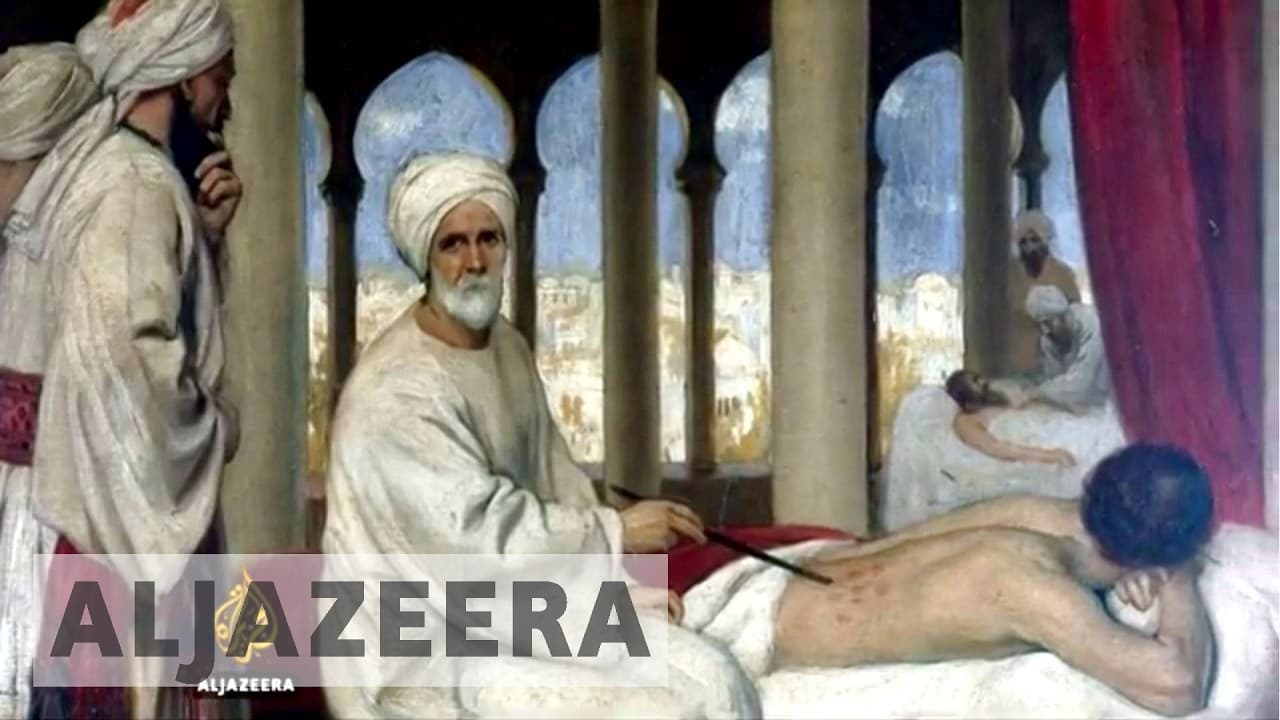
Modern high-tech advances in medicine and health are of course the result of many centuries of development, research, and experimentation much of which took place in the Islamic world between the 9th and 14th centuries A "Golden Age" of science During this time, scholars in the Islamic world made huge contributions to medicine, an... Read More
Key Insights
- The Islamic Golden Age significantly advanced medical science, emphasizing empirical evidence and repeatable procedures, which laid the foundation for modern medicine.
- Al-Razi, a Persian physician, introduced the concept of control groups in medical research, a practice still vital in contemporary scientific studies.
- Ibn al-Nafis, a 13th-century scholar, challenged Galen's accepted views on blood circulation, highlighting the role of the lungs in pulmonary circulation.
- Hamad Hospital in Qatar is pioneering research on treating neonatal encephalopathy using a combination of cooling methods and magnesium sulfate.
- The double-blind placebo control method used at Hamad Hospital ensures unbiased results, reflecting ancient methodologies introduced by Al-Razi.
- Ibn Sina's 'The Canon of Medicine' was a comprehensive medical text that became a global standard reference for centuries.
- Professor Magdi Yacoub at Harefield Hospital builds on historical medical discoveries to advance heart and lung disease treatments today.
- Weill Cornell Medical College in Qatar is mapping the human genome, paralleling the collaborative scientific spirit of the Islamic Golden Age.
Install to Summarize YouTube Videos and Get Transcripts
Explore YouTube Video Summarizer or Get YouTube Transcript Extractor
Questions & Answers
Q: What role did Al-Razi play in the development of medical research?
Al-Razi was a pioneering Persian physician who introduced the concept of using control groups in medical research. This approach allowed for more accurate and unbiased results in scientific studies, a practice that remains essential in modern medical research. His work laid the groundwork for the empirical methods used in medicine today.
Q: How is Hamad Hospital in Qatar advancing neonatal care?
Hamad Hospital is conducting pioneering research on treating neonatal encephalopathy by combining cooling methods with magnesium sulfate. This innovative approach aims to improve treatment outcomes for babies with neurological damage. The hospital employs a double-blind placebo control method to ensure the reliability of their findings, reflecting historical scientific methodologies.
Q: What was Ibn al-Nafis' contribution to the understanding of blood circulation?
Ibn al-Nafis, a 13th-century physician, challenged the prevailing views of Galen by proposing that blood does not pass directly between the heart's ventricles but circulates through the lungs. His insights into pulmonary circulation were not widely accepted until centuries later, highlighting his significant yet initially unrecognized contribution to medical science.
Q: How did Ibn Sina's work influence global medical practices?
Ibn Sina, also known as Avicenna, authored 'The Canon of Medicine,' a comprehensive medical text that became a standard reference worldwide for centuries. His work synthesized and expanded upon existing medical knowledge, influencing both Eastern and Western medical practices and education, showcasing the global impact of Islamic Golden Age scholars.
Q: What is the significance of Professor Magdi Yacoub's work at Harefield Hospital?
Professor Magdi Yacoub is a leading heart specialist who has advanced treatments for heart and lung diseases at Harefield Hospital. His work builds on historical medical discoveries, such as those by Ibn al-Nafis, to develop cutting-edge transplant and surgical techniques. His contributions have significantly improved patient outcomes and advanced the field of cardiology.
Q: How does Weill Cornell Medical College in Qatar contribute to modern medical research?
Weill Cornell Medical College in Qatar is at the forefront of mapping the human genome, focusing on genetic and hereditary diseases affecting the Qatari population. This ambitious project brings together international scientists, reflecting the collaborative spirit of the Islamic Golden Age's Bayt al-Hikma, and aims to advance personalized medicine and genetic research.
Q: What historical methodologies are reflected in modern medical research practices?
Modern medical research practices, such as the use of control groups and empirical evidence, are rooted in historical methodologies introduced by scholars like Al-Razi during the Islamic Golden Age. These approaches ensure the accuracy and reliability of scientific studies and remain fundamental in contemporary research, highlighting the enduring legacy of historical scientific advancements.
Q: What challenges did Ibn al-Nafis face in gaining recognition for his work?
Ibn al-Nafis faced challenges in gaining recognition for his work on pulmonary circulation due to the dominance of Galen's views at the time. His insights were not widely accepted until centuries later when his manuscript was rediscovered. This delay in recognition underscores the challenges scholars faced in challenging established scientific beliefs and the eventual acknowledgment of their contributions.
Summary & Key Takeaways
-
The Islamic Golden Age saw significant advancements in medicine, with scholars like Al-Razi and Ibn Sina laying the groundwork for modern practices. Their emphasis on empirical evidence and rigorous scientific approaches influenced medical research and education worldwide.
-
At Hamad Hospital, innovative treatments for neonatal encephalopathy are being trialed, utilizing a double-blind placebo control method, a concept introduced by Al-Razi. This research highlights the enduring impact of historical methodologies on contemporary medical practices.
-
Ibn al-Nafis' groundbreaking work on pulmonary circulation challenged long-held beliefs and was only recognized centuries later. His contributions, along with those of other Golden Age scholars, continue to influence modern medicine, as seen in the work of leading heart specialists like Professor Magdi Yacoub.
Read in Other Languages (beta)
Share This Summary 📚
Summarize YouTube Videos and Get Video Transcripts with 1-Click
Try YouTube Summary with ChatGPT & Claude or YouTube Transcript Generator
Explore More Summaries from Al Jazeera English 📚






Summarize YouTube Videos and Get Video Transcripts with 1-Click
Try YouTube Summary with ChatGPT & Claude or YouTube Transcript Generator