How Did the North Carolina Substation Attack Happen?
TL;DR
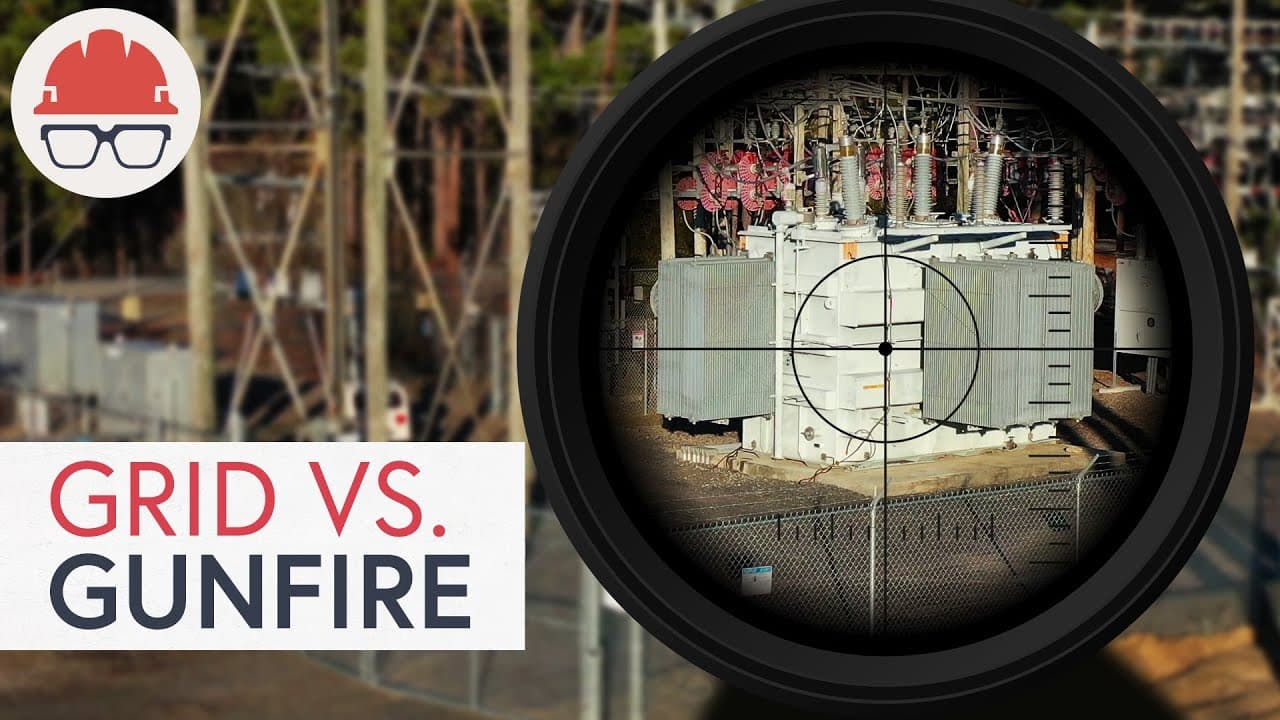
The Moore County substation attack in December 2022 left 45,000 customers without power for four days. Assailants targeted critical transformers with gunfire, causing significant damage. The incident highlights the vulnerability of power infrastructure and the need for better security measures to prevent future disruptions.
Transcript
At around 7PM on the balmy evening of Saturday, December 3, 2022, nearly every electric customer in Moore County, North Carolina was simultaneously plunged into darkness. Amid the confusion, the power utility was quick to discover the cause of the outage: someone or someones had assaulted two electrical substations with gunfire, sending a barra... Read More
Key Insights
- The Moore County attack targeted two substations, causing a four-day power outage for 45,000 customers.
- Attackers specifically aimed at transformer radiators, critical components in power substations.
- Transformers are protected by various devices to prevent permanent damage from unexpected events.
- Restoration involved using a mobile substation to temporarily restore power to affected areas.
- The attack demonstrated knowledge of power infrastructure, targeting critical points in the grid.
- Power infrastructure in the US is largely unprotected, making it vulnerable to deliberate attacks.
- Ballistic resistant barriers may become more common to protect critical substation components.
- Weather remains the primary threat to power grids, but security improvements are necessary.
Install to Summarize YouTube Videos and Get Transcripts
Explore YouTube Video Summarizer or Get YouTube Transcript Extractor
Questions & Answers
Q: What happened during the Moore County substation attack?
During the Moore County substation attack, assailants targeted two substations with gunfire, damaging critical transformer components and causing a power outage for 45,000 customers. The attack demonstrated a sophisticated understanding of power infrastructure, highlighting vulnerabilities in the grid's security.
Q: How was power restored after the Moore County attack?
Power was restored after the Moore County attack by using a mobile substation to temporarily supply electricity. Crews worked around the clock to repair damaged transformer radiators, and Duke Energy managed to restore power to all customers within four days, despite the significant damage caused.
Q: Why were transformers targeted in the substation attack?
Transformers were targeted in the substation attack because they are critical, expensive, and difficult-to-replace components. Damaging them can cause significant disruptions in power supply. The attackers specifically aimed at transformer radiators, which are essential for cooling and preventing overheating.
Q: What protective measures exist for transformers in substations?
Transformers in substations are equipped with protective devices that detect anomalies like oil leaks or gas buildup. These devices can trigger alarms and disconnect transformers from the grid to prevent permanent damage. However, the Moore County attack exploited vulnerabilities, showing the need for enhanced protection.
Q: How common are attacks on power infrastructure in the US?
Attacks on power infrastructure in the US are relatively rare compared to other threats like weather-related disruptions. However, incidents like the Moore County attack highlight the potential vulnerabilities and the need for improved security measures to protect critical components from deliberate damage.
Q: What are the implications of the Moore County attack for power grid security?
The Moore County attack underscores the need for better security measures to protect critical power infrastructure. It suggests that utilities may need to invest in ballistic resistant barriers and other protective technologies to safeguard substations, which could lead to increased costs passed on to consumers.
Q: What is the primary threat to power grids in the US?
The primary threat to power grids in the US is weather-related events, which are more common than deliberate attacks. However, the Moore County incident highlights the importance of addressing security vulnerabilities to ensure the resilience and reliability of power infrastructure against all potential threats.
Q: What lessons can be learned from the Moore County substation attack?
The Moore County substation attack teaches the importance of securing critical infrastructure and highlights the vulnerabilities in power grid security. It demonstrates the need for improved protective measures and underscores the potential impact of targeted attacks on public services and community well-being.
Summary & Key Takeaways
-
The Moore County substation attack in December 2022 caused a four-day power outage affecting 45,000 customers. Attackers targeted transformer radiators, leading to significant damage. Restoration efforts included using a mobile substation, highlighting the need for improved security measures.
-
Transformers, essential for voltage regulation in substations, were damaged in the attack. Protective devices usually safeguard them from permanent damage, but the attack exploited vulnerabilities. This event underscores the need for better protection of critical infrastructure.
-
The attack demonstrated a concerning level of sophistication, targeting critical substations and components. While weather remains the primary threat to power grids, the incident highlights the importance of enhancing security to prevent similar disruptions in the future.
Read in Other Languages (beta)
Share This Summary 📚
Summarize YouTube Videos and Get Video Transcripts with 1-Click
Try YouTube Summary with ChatGPT & Claude or YouTube Transcript Generator
Explore More Summaries from Practical Engineering 📚



Summarize YouTube Videos and Get Video Transcripts with 1-Click
Try YouTube Summary with ChatGPT & Claude or YouTube Transcript Generator