How French Drains Work
TL;DR
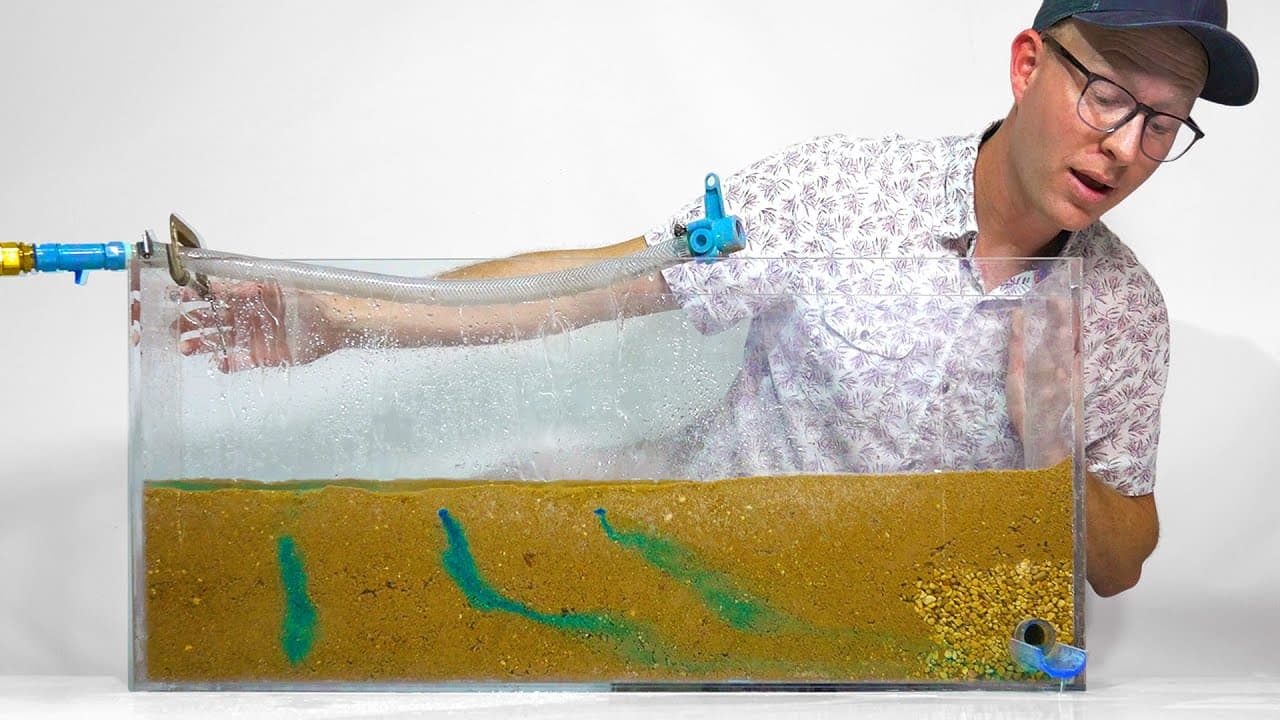
French drains manage subsurface water to protect structures.
Transcript
In February of 2017, one of the largest spillways in the world, the one at Oroville Dam in northern California, was severely damaged during releases from heavy rain. You might remember this. I made a video about it, and then another one about the impressive feat of rebuilding the structure. In the forensic report following the incident, one of ... Read More
Key Insights
- The Oroville Dam incident highlighted the importance of proper drainage systems in preventing structural damage due to subsurface water pressure.
- Subsurface drainage, like French drains, is crucial in managing water flow beneath structures to prevent issues such as erosion, rot, and corrosion.
- French drains, named after Henry French, use gravel-filled trenches to direct water away from structures, preventing pressure buildup and potential damage.
- The choice of materials in French drains, such as perforated pipes and geotextile fabrics, is critical in preventing soil clogging and ensuring effective drainage.
- Engineers debate the orientation of perforated pipes in drains, with many recommending holes facing downward to facilitate smoother water flow.
- Geotextile fabrics, while commonly used, can clog and are not suitable for critical applications like dams, where sand filters are preferred.
- Properly designed drainage systems are essential in agriculture, construction, and infrastructure to manage water and protect against structural damage.
- Independent platforms like Nebula support creative engineering content, offering unique insights into practical engineering challenges and solutions.
Install to Summarize YouTube Videos and Get Transcripts
Explore YouTube Video Summarizer or Get YouTube Transcript Extractor
Questions & Answers
Q: What caused the Oroville Dam spillway failure?
The Oroville Dam spillway failure was partly caused by an inadequate drainage system. The drains were improperly installed, protruding into the concrete and reducing its thickness, which made the structure more susceptible to cracking and ultimately contributed to the failure during heavy rain releases.
Q: Why are French drains important in construction?
French drains are crucial in construction because they manage subsurface water, preventing it from accumulating under structures. By directing water away, they reduce pressure, minimize erosion, and prevent issues like rot and corrosion, thus protecting the integrity of buildings and infrastructure.
Q: How do French drains work?
French drains work by using gravel-filled trenches and perforated pipes to direct water away from structures. Water percolates through the gravel and enters the pipes, which transport it away, reducing pressure and preventing potential structural damage caused by subsurface water.
Q: What materials are used in French drains?
French drains typically use gravel to fill trenches and perforated pipes to transport water. Geotextile fabrics may be used to prevent soil clogging, though in critical applications like dams, sand filters are preferred due to their effectiveness in filtering smaller soil particles.
Q: Why is the orientation of perforated pipes debated?
The orientation of perforated pipes in French drains is debated because it affects water flow efficiency. Some argue for holes on top, requiring gravel saturation before water enters, while others prefer holes on the bottom for smoother flow. Most manufacturers recommend holes down for better drainage.
Q: What are the limitations of geotextile fabrics in drains?
Geotextile fabrics, while useful in preventing soil migration, can be easily damaged during installation and are difficult to repair. They can also clog over time, reducing drainage efficiency, making them unsuitable for critical applications where reliable filtration is essential.
Q: How do subsurface drains benefit agriculture?
In agriculture, subsurface drains like French drains prevent fields from becoming waterlogged, which can hinder crop growth and damage equipment. By efficiently managing water, they maintain optimal soil conditions, supporting healthy plant growth and improving agricultural productivity.
Q: What role do independent platforms play in engineering content?
Independent platforms like Nebula support creative engineering content by allowing creators to produce unique, thoughtful videos without the constraints of traditional media. This fosters a community around niche topics, providing valuable insights into practical engineering challenges and solutions.
Summary & Key Takeaways
-
French drains are a type of subsurface drainage system named after Henry French, designed to manage water flow beneath structures. They use gravel-filled trenches and perforated pipes to direct water away, preventing pressure buildup and potential structural damage.
-
The Oroville Dam incident underscored the importance of proper drainage design. Subsurface water can cause erosion, rot, and corrosion, making effective drainage systems crucial in protecting structures from water damage.
-
Materials used in French drains, such as geotextile fabrics and sand filters, play a vital role in preventing soil clogging and ensuring efficient water flow. Engineers continue to debate the optimal orientation of perforated pipes in these systems.
Read in Other Languages (beta)
Share This Summary 📚
Summarize YouTube Videos and Get Video Transcripts with 1-Click
Try YouTube Summary with ChatGPT & Claude or YouTube Transcript Generator
Explore More Summaries from Practical Engineering 📚




Summarize YouTube Videos and Get Video Transcripts with 1-Click
Try YouTube Summary with ChatGPT & Claude or YouTube Transcript Generator