The 7 Archetypes That Reveal Your True Self | Carl Jung
TL;DR
Explore Jung's archetypes to understand your true self.
Transcript
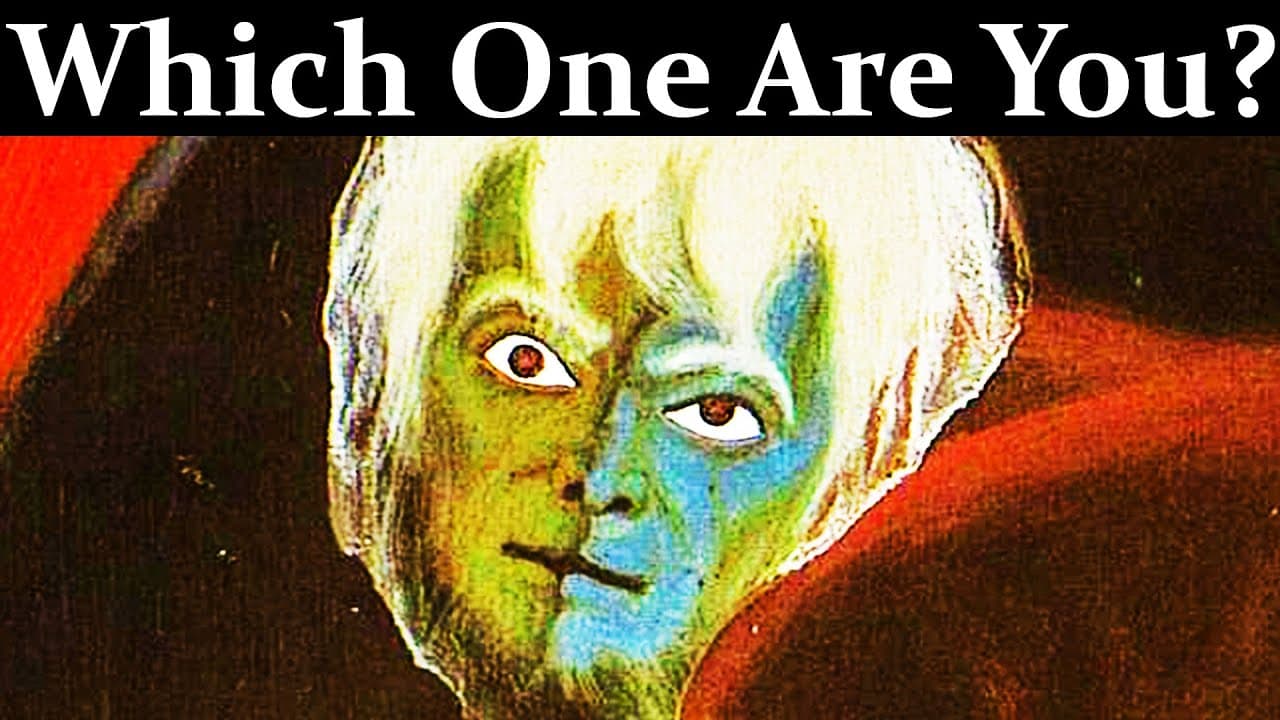
you are not what the world sees the image you present to others no matter how refined friendly or coherent it may seem is just a fraction of what resides within you and as uncomfortable as it may be to admit it is precisely this image that begins to define how you see yourself carl Gustavong called this construction persona the mask you wear to fun... Read More
Key Insights
- The persona is a necessary construct that helps navigate social life but can obscure one's true self if overly identified with.
- The shadow represents repressed aspects of the psyche, including fears and unacknowledged strengths, and must be integrated for personal wholeness.
- Anima and animus are inner opposite gender archetypes that serve as bridges between the conscious and unconscious, promoting psychic balance.
- The hero archetype embodies the drive to confront and integrate unconscious fears, leading to personal transformation and growth.
- The great mother symbolizes the nurturing and destructive forces of the unconscious, representing both creation and the need for rebirth.
- The divine child represents latent potential and the promise of renewal, symbolizing the possibility of transformation after chaos.
- The self is the central archetype representing psychic wholeness, integrating all aspects of the psyche for a unified identity.
- Individuation is a lifelong journey of integrating these archetypes, leading to a deeper understanding of oneself and a more authentic existence.
Install to Summarize YouTube Videos and Get Transcripts
Explore YouTube Video Summarizer or Get YouTube Transcript Extractor
Questions & Answers
Q: What is the persona according to Carl Jung?
The persona is a social mask that individuals create to navigate the world. It's not a lie but a necessary construct that helps organize social interactions and relationships. However, problems arise when individuals overly identify with their persona, leading to a disconnection from their true self and feelings of emptiness.
Q: How does the shadow manifest in one's life?
The shadow manifests as repressed fears, desires, and traits that are incompatible with one's persona. It can lead to uncontrolled reactions, such as anger or jealousy, and can also appear in creative impulses or repressed sexuality. Recognizing and integrating the shadow is essential for achieving psychological maturity and wholeness.
Q: What roles do anima and animus play in the psyche?
Anima and animus are inner opposite gender archetypes that serve as bridges between the conscious and unconscious. Anima represents the inner feminine in men, while animus represents the inner masculine in women. They facilitate psychic balance and help individuals connect with feelings, intuition, reason, and action, promoting a more integrated self.
Q: What is the significance of the hero archetype?
The hero archetype represents the inner drive to confront and integrate unconscious fears, traumas, and desires. It symbolizes the journey of overcoming challenges and facing chaos to achieve personal transformation. The hero's journey involves confronting the unconscious, enduring trials, and returning transformed, leading to a deeper understanding of oneself.
Q: How does the great mother archetype influence the psyche?
The great mother symbolizes both nurturing and destructive forces within the unconscious. She represents the instinct of belonging, the need for acceptance, and the search for meaning. The archetype embodies the paradox of life, where acceptance of death leads to rebirth, and it guides individuals toward reintegration and transformation.
Q: What does the divine child archetype represent?
The divine child symbolizes latent potential and the promise of renewal. It represents the possibility of starting anew and the psychic capacity to regenerate after chaos. The divine child is an archetypal guide toward integration, embodying the sacred future within the present and encouraging individuals to embrace transformation and growth.
Q: What is the self in Jungian psychology?
The self is the central archetype representing psychic wholeness and the union of opposites within the psyche. It transcends the ego and guides the individuation process, leading individuals toward a unified identity. Integrating the self involves accepting all aspects of oneself, including imperfections and contradictions, for a more authentic existence.
Q: What is the process of individuation?
Individuation is a lifelong journey of integrating various archetypes, such as the persona, shadow, anima, animus, hero, great mother, and divine child. It involves confronting and reconciling unconscious aspects of the psyche, leading to a deeper understanding of oneself and a more authentic, harmonious existence. The process is guided by the self, the organizing center of the psyche.
Summary & Key Takeaways
-
The content explores Carl Jung's concept of the persona, a social mask that can obscure one's true self if overly identified with, urging awareness and balance.
-
The shadow, as described by Jung, contains repressed fears and desires, and integrating it is crucial for achieving psychological wholeness and personal growth.
-
Jung's archetypes, including anima, animus, hero, great mother, divine child, and self, guide individuals on a journey of self-discovery and individuation.
Read in Other Languages (beta)
Share This Summary 📚
Summarize YouTube Videos and Get Video Transcripts with 1-Click
Try YouTube Summary with ChatGPT & Claude or YouTube Transcript Generator
Explore More Summaries from Psyphoria 📚


Summarize YouTube Videos and Get Video Transcripts with 1-Click
Try YouTube Summary with ChatGPT & Claude or YouTube Transcript Generator