Why Isn't the World Running Out of Sand?
TL;DR
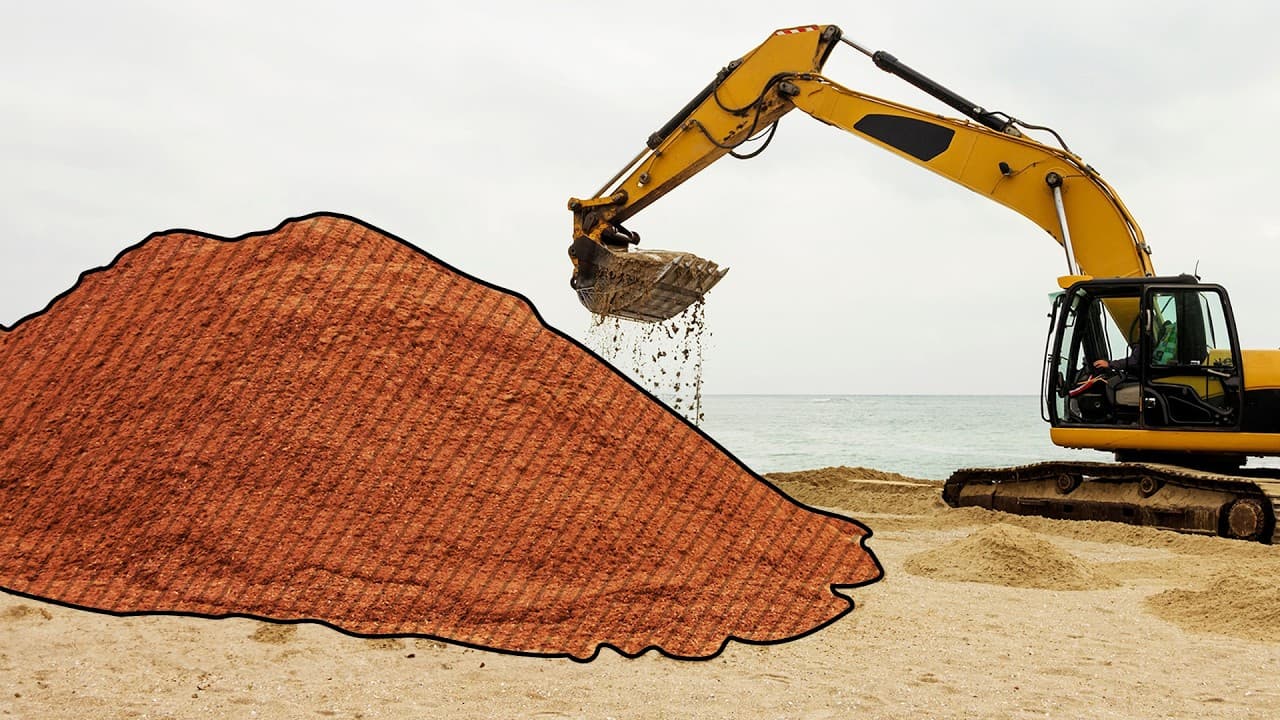
The world is not running out of sand, but the costs and environmental impacts of sand extraction are becoming more apparent. Sand is essential for concrete, a key material in construction, and can be manufactured from rocks if natural sources are depleted. Technological advances and resource management are crucial to sustainable sand use.
Transcript
If you have to know the answer right away, it’s no; or at least, my goal with this video is to convince you that the world is not running out of sand. But if it were that simple, I wouldn’t be here (right?) and you probably wouldn’t be either. In fact, I was really surprised by some of the things I didn’t know as I dug deeper into the topic fur... Read More
Key Insights
- Sand is a crucial component in concrete, which is essential for modern construction.
- The world is not running out of sand, but the environmental impact of extraction is significant.
- Sand can be manufactured from rocks, providing an alternative to natural sources.
- Manufactured sand can make concrete stronger due to its angular particles.
- Rounded sand grains improve concrete workability, allowing for less water use and stronger mixes.
- The cost of sand is increasing due to stricter environmental regulations and transport expenses.
- Technological advancements can help manage sand resources more sustainably.
- The construction industry adapts to material availability, similar to changes seen with timber and diamonds.
Install to Summarize YouTube Videos and Get Transcripts
Explore YouTube Video Summarizer or Get YouTube Transcript Extractor
Questions & Answers
Q: How is sand important in construction?
Sand is a key ingredient in concrete, which is indispensable for construction. Concrete's strength, durability, and versatility make it a fundamental building material, and sand's role in its composition is critical. The availability and quality of sand directly impact concrete's properties, influencing construction projects worldwide.
Q: Can sand be manufactured?
Yes, sand can be manufactured by crushing rocks into smaller particles. This process allows for the creation of sand with angular particles, which can enhance the strength of concrete. Manufactured sand provides an alternative when natural sand sources are limited or environmentally detrimental to extract.
Q: Why is the cost of sand increasing?
The cost of sand is rising due to stricter environmental regulations and the expenses associated with transporting it from extraction sites to construction locations. As awareness of the environmental impacts of sand extraction grows, the industry faces increased costs to ensure sustainable and responsible sourcing.
Q: What are the environmental impacts of sand extraction?
Sand extraction can significantly impact the environment, particularly when sourced from rivers. It can cause habitat destruction, alter river channels, and lead to upstream and downstream ecological changes. Sustainable practices and technological advancements are necessary to mitigate these impacts.
Q: How does manufactured sand affect concrete strength?
Manufactured sand, with its angular particles, can enhance concrete strength by improving the interlocking of particles within the mix. This results in a more robust and durable concrete structure compared to using naturally rounded sand grains, which do not lock together as effectively.
Q: What role does sand play in concrete workability?
Sand affects concrete workability by influencing the mix's flow and ease of placement. Rounded sand grains improve workability, allowing for less water use in the mix, which can lead to stronger concrete. Proper workability is crucial for achieving high-quality concrete installations.
Q: How can the construction industry adapt to sand scarcity?
The construction industry can adapt to sand scarcity by utilizing manufactured sand, optimizing mix designs, and employing alternative materials. Advances in technology and sustainable practices can help manage resources more effectively, ensuring continued access to essential construction materials.
Q: What parallels exist between sand and other construction materials?
Similar to sand, materials like timber and diamonds have seen shifts in sourcing and usage due to technological advancements. Synthetic and engineered alternatives have emerged, reducing reliance on natural sources. These parallels illustrate the construction industry's capacity to adapt to changing material availability and environmental considerations.
Summary & Key Takeaways
-
The world is not running out of sand, but the extraction process has significant environmental implications. Sand is vital for concrete production, and its availability is crucial for construction. Technological advances allow for the manufacturing of sand from rocks, offering a sustainable alternative to natural sources.
-
Manufactured sand, with its angular particles, can enhance concrete strength, while rounded grains improve workability, reducing water usage and enhancing overall mix strength. The rising cost of sand is driven by environmental regulations and transportation expenses, highlighting the need for sustainable resource management.
-
The construction industry is adapting to changes in material availability, similar to shifts seen with timber and diamonds. Technological advancements and responsible resource management are essential for sustainable sand use, ensuring continued access to this critical material for infrastructure development.
Read in Other Languages (beta)
Share This Summary 📚
Summarize YouTube Videos and Get Video Transcripts with 1-Click
Try YouTube Summary with ChatGPT & Claude or YouTube Transcript Generator
Explore More Summaries from Practical Engineering 📚



Summarize YouTube Videos and Get Video Transcripts with 1-Click
Try YouTube Summary with ChatGPT & Claude or YouTube Transcript Generator