What Are Japan's Most Unconventional Baby Names?
TL;DR
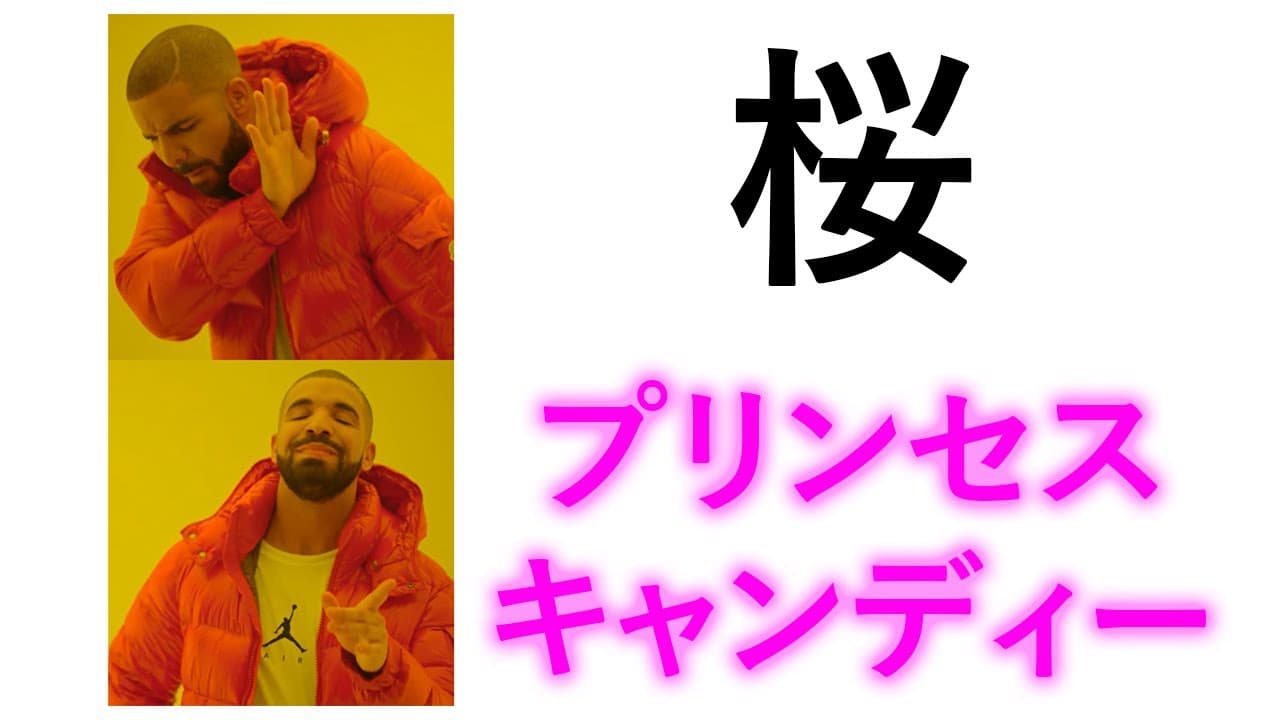
Japan is seeing a rise in unconventional baby names, known as 'Sparkling names,' which often defy traditional sound and meaning rules. Examples include names like 'Anjeru' for 'Angel' and 'Pooh' for 'Yellow Bear.' A recent government proposal aims to regulate these unusual names in response to public concern about their implications for children.
Transcript
we've all heard of cringe baby names right things like Nevaeh or Khaleesi but have you ever heard of a name so crazy it makes you wonder if Elon musk's kid got off easy with whatever this is well Japanese people have as you might expect generally Japan takes names very seriously parents not only have to consider the sound of their child's name but ... Read More
Key Insights
- 📛 Japan's naming customs intertwine sound, meaning, and character selection, revealing deep cultural reverence for names.
- 💖 "Sparkling names" often invoke confusion and doubt about personal identity, sparking discussions on their future in society.
- 👹 Cultural influences, especially from English-speaking countries, serve as a significant motivator for modern naming choices among Japanese parents.
- 😫 Legislative actions upset over drastic naming changes indicate a collective concern for children's experiences in society.
- 📛 Public reactions to unconventional names demonstrate a mix of amusement and apprehension regarding potential bullying or discrimination.
- 👹 The evolution of Japanese naming practices reflects ongoing societal shifts, as traditional views give way to more eclectic trends.
- 💁 Names originating from media and fictional characters reveal the influence of pop culture on identity formation among the younger generation.
Install to Summarize YouTube Videos and Get Transcripts
Explore YouTube Video Summarizer or Get YouTube Transcript Extractor
Questions & Answers
Q: What are "Sparkling names" in Japan?
"Sparkling names" refer to unconventional baby names in Japan that intentionally break the traditional naming conventions. These names often sound outlandish to the typical Japanese ear and might include bizarre pronunciations of common words or characters. Parents often choose these names because they believe they sound unique or cool, embracing a modern detachment from traditional norms.
Q: Why do some parents choose English words for names?
Many Japanese parents appreciate the "coolness" associated with English words and names, believing that using foreign names can make their children sound sophisticated or trendy. This trend reflects a cultural fascination with Western influences, particularly in pop culture, where English words are seen as stylish or modern.
Q: What controversy arose from the name "Akuma"?
The name "Akuma," meaning "devil" in Japanese, caused a significant uproar when a father attempted to name his child that, leading to legal battles after the name was accepted and then rejected by the government. Ultimately, the case highlighted the cultural sensitivity surrounding names in Japan, resulting in a compromise where he used the modified name "Aku," which still carried negative connotations, representing an ongoing struggle between personal preference and societal standards.
Q: How did Akaike Ojisama change his name?
Akaike Ojisama endured ridicule due to his name, which included "Sama," a term of respect. Upon discovering he could legally change his name after age 15, he opted for "Hajime," meaning beginning, to signify a fresh start. This pivotal decision gained significant attention on social media, showcasing the potential impact of names on individuals' lives.
Summary & Key Takeaways
-
Japanese naming traditions emphasize the sound and meaning of names, often consulting experts for guidance. However, there’s a growing trend of unconventional names, termed "Sparkling names," which break away from these traditions.
-
Examples of bizarre names include "Angel" pronounced as "Anjeru" and "Yellow Bear" pronounced as "Pooh." These unconventional names often confuse and amuse people, raising concerns about their long-term implications for children.
-
A recent proposal by the Japanese government aims to regulate unconventional names, sparked by public outcry over some extreme cases, indicating a cultural shift in name acceptance.
Read in Other Languages (beta)
Share This Summary 📚
Summarize YouTube Videos and Get Video Transcripts with 1-Click
Try YouTube Summary with ChatGPT & Claude or YouTube Transcript Generator
Explore More Summaries from Japanalysis 📚




Summarize YouTube Videos and Get Video Transcripts with 1-Click
Try YouTube Summary with ChatGPT & Claude or YouTube Transcript Generator