Why Some Men Never Grow Up – The Man-Child Explained (Carl Jung)
TL;DR
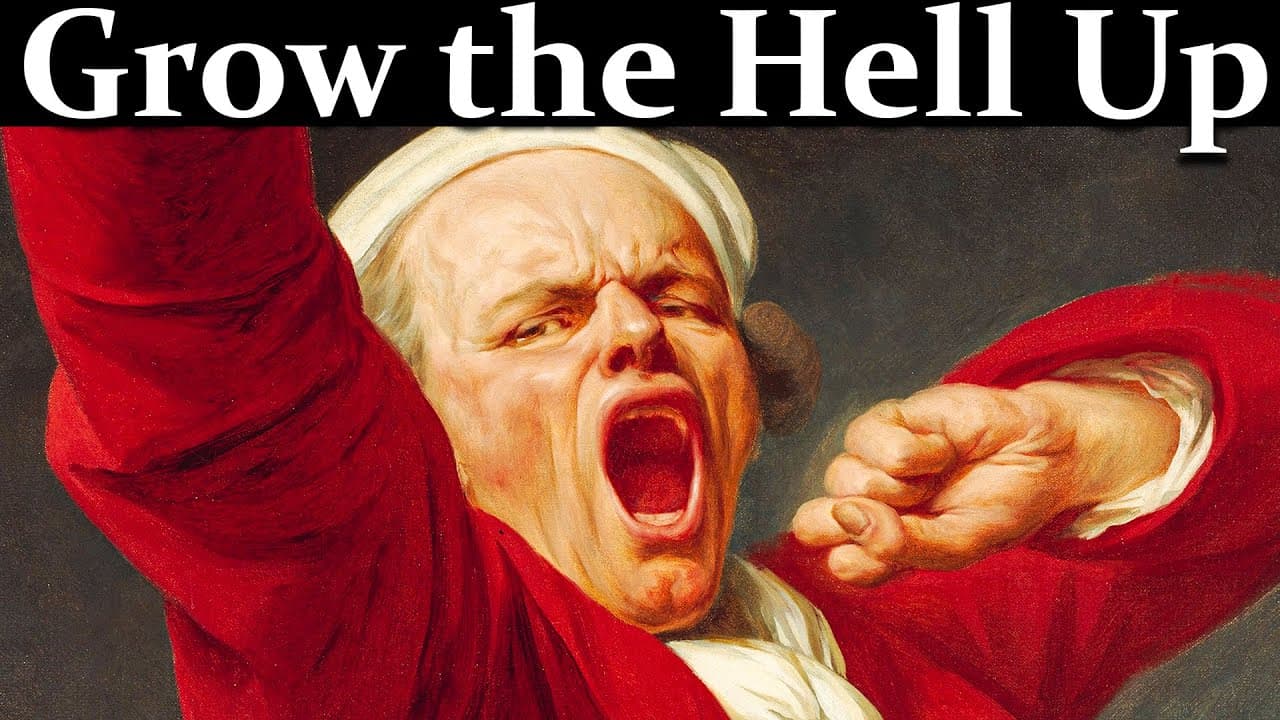
Explores Carl Jung's Puer Aeternus archetype and its impact on men.
Transcript
you know someone like this he has brilliant ideas grand dreams a sparkle in his eyes of someone born for something extraordinary he talks about incredible projects he lives on possibilities but never brings anything to fruition he always has a ready excuse for each failure it wasn't the right time it wasn't the right person the world hasn't underst... Read More
Key Insights
- The Puer Aeternus archetype describes men who refuse to grow up, living in perpetual transition without taking responsibility for their lives.
- These individuals often have brilliant ideas and dreams but lack the commitment to bring them to fruition, constantly making excuses for their failures.
- The archetype is characterized by a fear of routine, commitment, and responsibility, leading to a life of unfulfilled potential and constant escape from reality.
- Relationships with a Puer Aeternus are challenging as they idealize partners, placing unrealistic expectations and fleeing when maturity is required.
- The Puer Aeternus often has a symbolic or literal overprotective mother figure, hindering his ability to face the world and develop autonomy.
- True freedom is misunderstood by the Puer as avoiding responsibility, but real freedom involves conscious choices and commitments.
- The journey to maturity requires facing the collapse of fantasies, mourning the idealized self, and integrating the childlike qualities into a mature psyche.
- Individuation, or the process of becoming oneself, involves pain and symbolic death but leads to a rebirth where creativity and vision are channeled productively.
Install to Summarize YouTube Videos and Get Transcripts
Explore YouTube Video Summarizer or Get YouTube Transcript Extractor
Questions & Answers
Q: What is the Puer Aeternus archetype?
The Puer Aeternus archetype, as defined by Carl Jung, refers to men who refuse to grow up and live in a state of perpetual transition. They are characterized by their avoidance of responsibility and commitment, living in a world of possibilities without bringing their dreams to fruition. This archetype is marked by a fear of routine and maturity, resulting in a life of unfulfilled potential.
Q: How does the Puer Aeternus impact relationships?
The Puer Aeternus often idealizes partners, placing unrealistic expectations on them and fleeing when maturity and commitment are required. This can lead to challenging relationships as they are emotionally unstable and averse to responsibility. Their partners may experience frustration and anguish due to the Puer's inability to move beyond the initial enchantment phase, ultimately sabotaging the relationship.
Q: What role does the symbolic mother play in the Puer Aeternus archetype?
The symbolic mother, whether literal or metaphorical, plays a significant role in perpetuating the Puer Aeternus archetype. This figure, often overprotective, prevents the individual from facing the world and developing autonomy. By providing comfort and protection, the symbolic mother unwittingly traps the Puer in a cycle of dependency, hindering their growth and maturity.
Q: How can one break free from the Puer Aeternus archetype?
Breaking free from the Puer Aeternus archetype involves facing the collapse of fantasies and mourning the idealized self. It requires integrating childlike qualities into a mature psyche, embracing responsibility, and making conscious choices. This process, known as individuation, involves pain and symbolic death but leads to a rebirth where creativity and vision are channeled productively.
Q: What is the misunderstanding of freedom in the context of the Puer Aeternus?
The Puer Aeternus misunderstands freedom as the avoidance of responsibility and commitment. They perceive true freedom as the ability to do whatever they want without constraints. However, real freedom involves making conscious choices, embracing responsibility, and committing to meaningful pursuits, allowing for genuine autonomy and fulfillment in life.
Q: How does the Puer Aeternus affect their professional life?
In their professional life, the Puer Aeternus may jump from job to job, seeking something more meaningful but abandoning projects at the first obstacle. They are often brilliant and full of potential but struggle with routine, hierarchy, and commitment, leading to a lack of fulfillment and progress in their careers. This results in a cycle of unfulfilled dreams and missed opportunities.
Q: What is the significance of individuation in overcoming the Puer Aeternus archetype?
Individuation is the process by which a person becomes truly themselves, integrating various aspects of their psyche. For the Puer Aeternus, this means facing the collapse of fantasies, mourning the idealized self, and embracing maturity. Individuation involves pain and symbolic death but leads to a rebirth where creativity and vision are channeled productively, allowing for genuine growth and fulfillment.
Q: How does the Puer Aeternus view those who have matured?
The Puer Aeternus often views those who have matured as traitors to freedom, seeing them as boring, rigid, and controlling. They perceive maturity as a betrayal of authenticity and creativity, failing to recognize that true freedom involves conscious choices and commitments. This perception isolates them further, as they continue to flee from responsibility and reality, trapped in a cycle of unfulfilled potential.
Summary & Key Takeaways
-
The Puer Aeternus archetype, as described by Carl Jung, represents men who refuse to grow up, living in a state of perpetual transition and avoiding responsibility. They are often charismatic and creative but struggle to bring their dreams to fruition due to fear of routine and commitment.
-
These individuals are trapped in a cycle of unfulfilled potential, constantly making excuses for their failures and fleeing from reality. Relationships with them are challenging as they idealize partners and flee when maturity is required, often supported by a symbolic mother figure.
-
True freedom is misunderstood by the Puer as avoiding responsibility, but real freedom involves conscious choices and commitments. The journey to maturity requires facing the collapse of fantasies, mourning the idealized self, and integrating the childlike qualities into a mature psyche.
Read in Other Languages (beta)
Share This Summary 📚
Summarize YouTube Videos and Get Video Transcripts with 1-Click
Try YouTube Summary with ChatGPT & Claude or YouTube Transcript Generator
Explore More Summaries from Psyphoria 📚

Summarize YouTube Videos and Get Video Transcripts with 1-Click
Try YouTube Summary with ChatGPT & Claude or YouTube Transcript Generator