Arduino Garden Controller - Automatic Watering and Data Logging
TL;DR
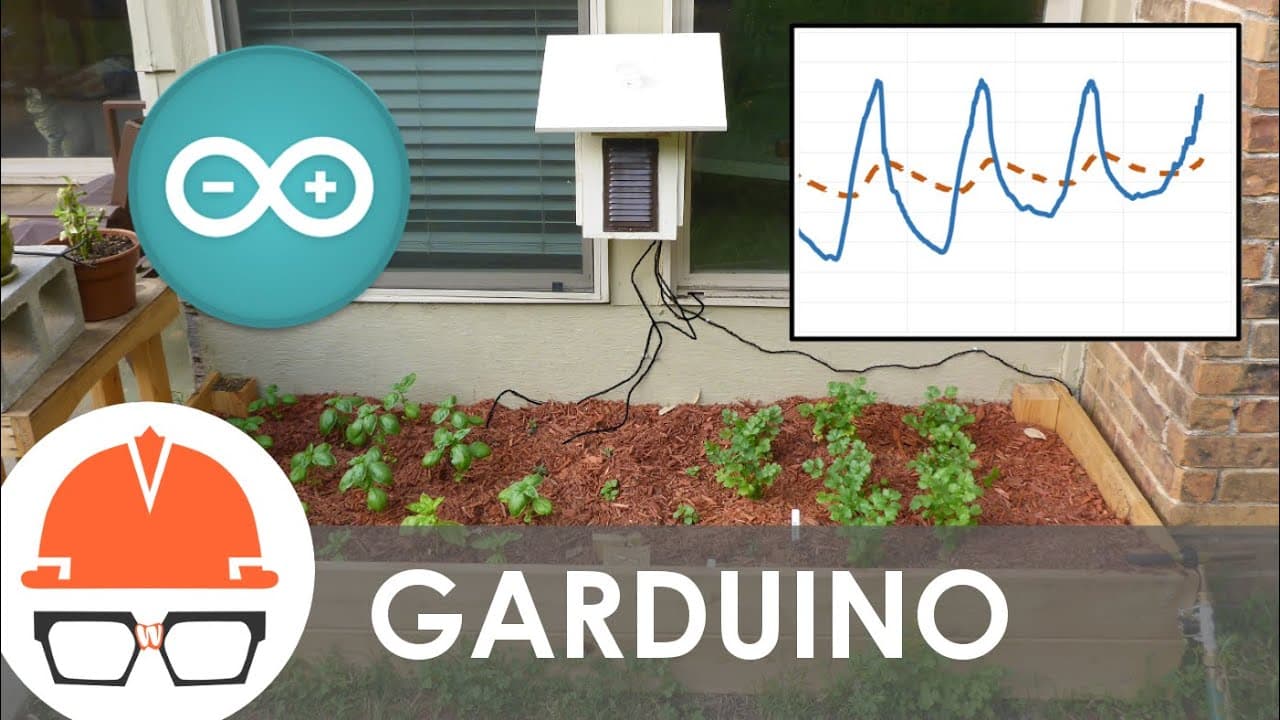
An Arduino automates garden watering and data logging for herb growth.
Transcript
I like fresh herbs I'm not a picky eater otherwise but add in some fresh basil cilantro Rosemary or time to a meal and it just makes a huge Improvement to any recipe so I pay for this stuff at the grocery store and some of it is expensive like 2 to four bucks for a few stems so I got to thinking this spring hey I've got a backyard on the south side... Read More
Key Insights
- The project aims to automate garden watering using Arduino, saving time and effort for the gardener.
- Various sensors are used, including soil moisture, temperature, and sunlight sensors, to gather comprehensive garden data.
- The creator acknowledges that the project may be more expensive than buying herbs from the store but is driven by the desire to experiment with technology.
- The data logging shield for Arduino allows for the collection and analysis of garden data, which appeals to the creator's interest in data visualization.
- Building the project involves challenges such as soldering and understanding circuit design, which can be rewarding despite initial failures.
- Capacitive soil moisture sensors are preferred over resistive ones due to their accuracy and durability in environmental conditions.
- The project reflects a broader trend of using technology to address simple tasks, often adding complexity to traditionally straightforward hobbies.
- The creator emphasizes the personal satisfaction derived from overcoming technological challenges and customizing solutions to suit individual needs.
Install to Summarize YouTube Videos and Get Transcripts
Explore YouTube Video Summarizer or Get YouTube Transcript Extractor
Questions & Answers
Q: What is the main purpose of the Arduino garden project?
The main purpose of the Arduino garden project is to automate the watering process of a garden, specifically for growing herbs, using an Arduino microcontroller and various sensors. This automation aims to save time and effort for the gardener while also providing an opportunity to collect and analyze data on garden conditions.
Q: What types of sensors are used in the project?
The project utilizes several types of sensors, including a capacitive soil moisture sensor, a soil temperature sensor, a photoresistor for measuring sunlight, and a digital sensor for air temperature and relative humidity. These sensors gather comprehensive data to monitor the garden's health and optimize watering schedules.
Q: Why are capacitive soil moisture sensors preferred over resistive ones?
Capacitive soil moisture sensors are preferred because they measure changes in the dielectric properties of the soil, which are less sensitive to environmental factors like soil pH and dissolved solids. They also lack exposed conductive surfaces, making them more durable and less prone to corrosion compared to resistive sensors, which are often of poor quality and less reliable.
Q: What challenges did the creator face during the project?
The creator faced several challenges, including soldering the data logging shield, understanding circuit design, and calibrating sensors. Despite these difficulties, the project provided a rewarding experience, as successfully combining a working circuit and program offered moments of satisfaction and motivation to continue improving the system.
Q: How does the project reflect broader trends in technology and hobbies?
The project reflects a broader trend of using technology to address simple tasks, often adding complexity to traditionally straightforward hobbies like gardening. It highlights a cultural shift where individuals seek to leverage technology for personal satisfaction, customization, and to overcome personal shortcomings, even when simpler solutions are available.
Q: What role does data play in the project?
Data plays a significant role in the project by allowing the creator to monitor and analyze various garden conditions, such as soil moisture, temperature, and light levels. This data collection and analysis enable informed decisions about garden care and provide an opportunity to create visualizations, which is a primary interest for the creator.
Q: What is the creator's perspective on using technology in gardening?
The creator views the use of technology in gardening as both a practical solution for managing garden care and a personal challenge that provides satisfaction and a sense of accomplishment. While acknowledging the complexity and cost involved, the creator appreciates the ability to customize and control the system, enhancing their experience and ego.
Q: What is the significance of the data logging shield in the project?
The data logging shield is significant because it enables the collection and storage of garden data on an SD card, allowing for detailed analysis of environmental conditions over time. This functionality supports the creator's goal of understanding garden dynamics and creating visualizations, which adds value to the project beyond simple automation.
Summary & Key Takeaways
-
The video explores the creation of an automated garden watering system using an Arduino and various sensors. The project is driven by the desire to grow herbs cost-effectively and experiment with technology, despite the initial costs and complexities involved.
-
Key components include a data logging shield, soil moisture and temperature sensors, and a sunlight sensor. The project highlights the importance of accurate sensor selection and the satisfaction of combining electronics with gardening.
-
The creator reflects on the broader trend of overcomplicating simple hobbies with technology, emphasizing the personal satisfaction and ego boost from customizing and controlling the system, rather than buying an off-the-shelf solution.
Read in Other Languages (beta)
Share This Summary 📚
Summarize YouTube Videos and Get Video Transcripts with 1-Click
Try YouTube Summary with ChatGPT & Claude or YouTube Transcript Generator
Explore More Summaries from Practical Engineering 📚


Summarize YouTube Videos and Get Video Transcripts with 1-Click
Try YouTube Summary with ChatGPT & Claude or YouTube Transcript Generator