The soil sleuth
TL;DR
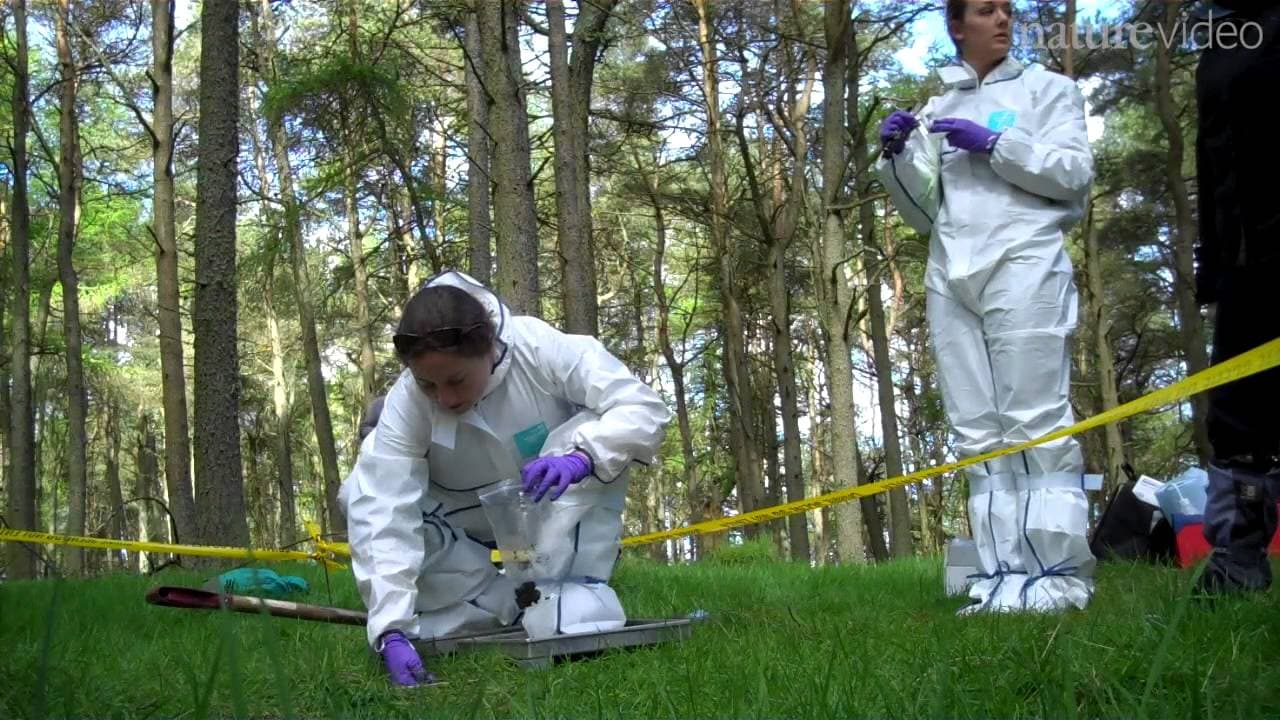
Soil forensics helps identify crime scene disturbances and trace buried evidence.
Transcript
soil itself contains within it many many things that can help the investigator work out what has happened at a crime a week ago we buried a packet of drugs at this particular location I've taken a new team here today and they're tasked with seeing if they can find out where these drugs might be buried as we're approaching the scene we're looking ar... Read More
Key Insights
- 🥹 Soil serves as a crucial forensic element, holding traces of events and activities that occurred on the site.
- 🛟 Proper contamination procedures are essential for preserving the integrity of evidence during crime scene investigations.
- 💇 Microbial analysis in soil is a cutting-edge approach that can redefine forensic methodologies and their admissibility in court.
- 🙈 The techniques being tested in the UK aim to validate soil forensic practices that have already seen judicial application in other countries.
- 💁 Each teaspoon of soil contains a vast number of microorganisms, presenting a wealth of information for forensic investigations.
- 📌 The interplay of soil type and microbial DNA can uniquely identify locations related to criminal activity.
- 🥺 Continuous research in soil forensics can lead to innovative methods that enhance the accuracy of crime scene analysis.
Install to Summarize YouTube Videos and Get Transcripts
Explore YouTube Video Summarizer or Get YouTube Transcript Extractor
Questions & Answers
Q: What indicators do investigators look for in soil when searching for buried evidence?
Investigators look for various signs, such as flattened vegetation, soil disturbances, and raised profiles indicating items may be buried beneath the surface. These clues can suggest where a perpetrator may have accessed the area, aiding in locating evidence efficiently.
Q: Why is securing the crime scene important before investigating?
Securing the crime scene ensures that no evidence is contaminated or lost during the investigation process. By placing protective tape and using crime scene suits and gloves, the team protects both the evidence from external contamination and themselves from potential hazards at the scene.
Q: How does microbial soil forensics contribute to criminal investigations?
Microbial soil forensics involves analyzing microorganisms within the soil to establish links between suspects and crime scenes. The DNA extracted from soil samples can reveal a "fingerprint" of microbial life that can be matched to known soil types, enhancing evidence analysis.
Q: What is the process of gathering soil samples at a crime scene?
The standard practice involves carefully removing turf and digging down at specific intervals to collect soil samples. Each layer is documented and analyzed in the lab, where DNA sequencing is performed to identify microorganisms, helping to reconstruct the timeline of events at the site.
Summary & Key Takeaways
-
Soil is a valuable tool in crime investigation, revealing signs of disturbances and aiding in locating buried evidence like drugs.
-
The team must secure the crime scene to prevent contamination and utilize protective gear to gather evidence safely without interference.
-
Emerging methods, including microbial DNA analysis from soil, show promise for advancing forensic science and potentially gaining court acceptance.
Read in Other Languages (beta)
Share This Summary 📚
Summarize YouTube Videos and Get Video Transcripts with 1-Click
Try YouTube Summary with ChatGPT & Claude or YouTube Transcript Generator
Explore More Summaries from nature video 📚





Summarize YouTube Videos and Get Video Transcripts with 1-Click
Try YouTube Summary with ChatGPT & Claude or YouTube Transcript Generator