Why Cranes Collapse
TL;DR
Cranes fail due to human error, improper assembly, and environmental factors.
Transcript
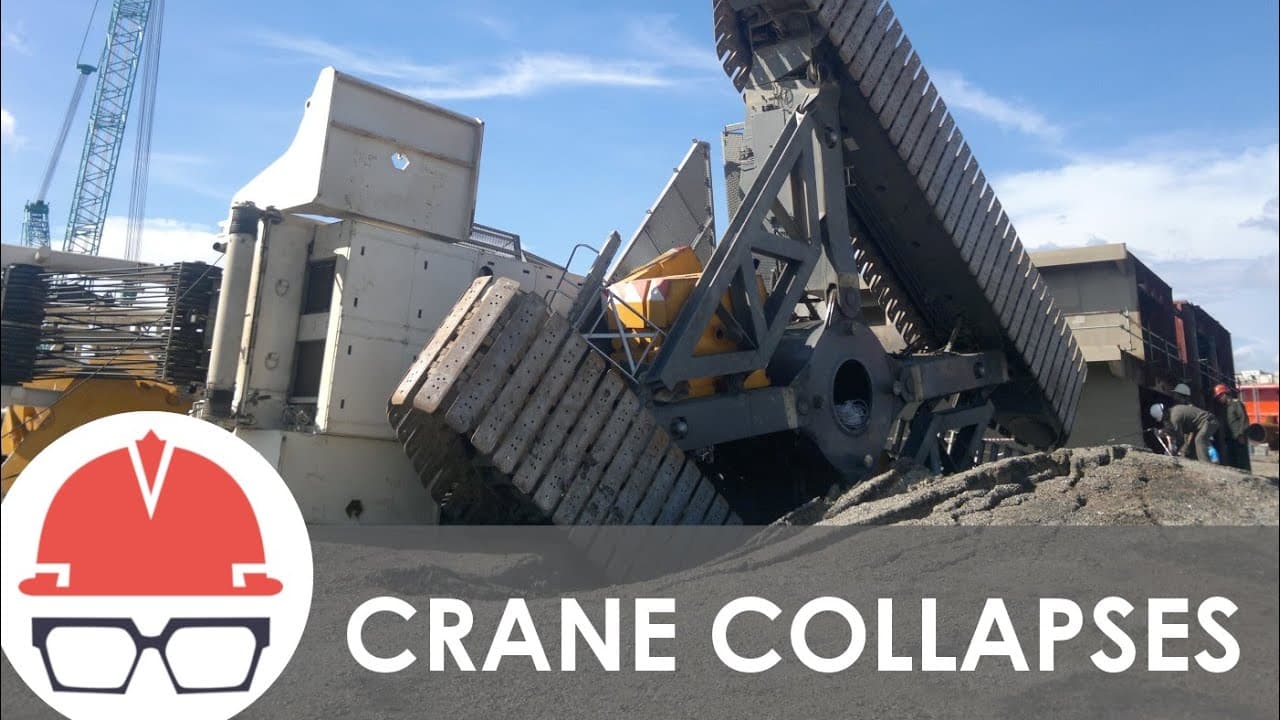
Cranes are dangerous. Any time something goes up, there’s a chance it might fall down. Keep that in mind next time you climb a ladder. But lifting stuff up and getting it back down safely is pretty much a crane’s only job. So why do so many of them fall down? Let’s walk through some of the biggest crane disasters in modern history to try and un... Read More
Key Insights
- Cranes are essential in construction for lifting heavy objects, but their failures can lead to severe consequences, including fatalities.
- Improper assembly or disassembly is a leading cause of crane failures, often due to not following manufacturer guidelines.
- Overloading is a common issue, as cranes have specific load limits that depend on their configuration and movement.
- Ground stability is crucial; insufficient bearing capacity can cause cranes to topple, as seen in several historical accidents.
- Wind can significantly impact crane stability, and neglecting to account for it can lead to catastrophic failures.
- Load charts help operators manage crane capacity, but human error can still lead to accidents if not used correctly.
- Crane failures are often preventable through proper planning, adherence to guidelines, and understanding environmental factors.
- Lift plans are essential for complex operations, ensuring all potential risks are considered before a lift.
Install to Summarize YouTube Videos and Get Transcripts
Explore YouTube Video Summarizer or Get YouTube Transcript Extractor
Questions & Answers
Q: What are common causes of crane failures?
Crane failures commonly result from improper assembly or disassembly, overloading, ground instability, and environmental factors like wind. These failures often occur due to human error, such as not following manufacturer guidelines or neglecting to account for environmental conditions during operation.
Q: How does improper assembly lead to crane failures?
Improper assembly can lead to crane failures when components are not securely connected, making the structure vulnerable to collapse. Historical cases show that failing to follow manufacturer guidelines during assembly or disassembly can result in catastrophic accidents, often with fatal consequences.
Q: Why is overloading a significant issue for cranes?
Overloading is a significant issue because cranes have specific load limits based on their configuration and movements. Exceeding these limits can destabilize the crane, leading to tipping or structural failure. Load charts and modern sensors help operators manage these limits, but human error can still cause accidents.
Q: How does ground stability affect crane operations?
Ground stability affects crane operations because cranes transfer their load to the ground. Insufficient bearing capacity can lead to settlement or bearing capacity failure, causing the crane to topple. Ensuring stable ground conditions through soil testing and using crane mats can prevent such failures.
Q: What role does wind play in crane failures?
Wind plays a crucial role in crane failures by exerting additional forces on the structure, which can destabilize it. Operators must account for wind conditions and allow cranes to weathervane to minimize these forces. Neglecting wind can result in accidents, especially during severe weather events.
Q: How do load charts assist crane operators?
Load charts assist crane operators by providing maximum allowable loads for different configurations and movements. They help ensure that operations remain within safe limits, preventing overloading. However, operators must use the correct chart for their specific crane setup to avoid errors.
Q: What is the importance of lift plans in crane operations?
Lift plans are crucial in crane operations as they involve pre-assessing all aspects of a lift, including weight, dimensions, and environmental factors. Detailed planning helps identify potential risks and ensures that all safety measures are in place, reducing the likelihood of accidents during complex lifts.
Q: How can crane failures be prevented?
Crane failures can be prevented through proper assembly and disassembly, adherence to load limits, ensuring ground stability, accounting for environmental factors like wind, and creating comprehensive lift plans. Regular training and following manufacturer guidelines are also essential to minimize human error.
Summary & Key Takeaways
-
Cranes are vital in construction but pose risks due to their role in lifting heavy objects. Failures often result from human error, improper assembly, and environmental factors such as wind and ground instability.
-
Historical crane disasters highlight the importance of following manufacturer guidelines and considering environmental factors like wind and ground conditions to prevent accidents.
-
Preventing crane failures involves understanding load limits, using load charts, ensuring ground stability, and creating detailed lift plans to manage risks effectively.
Read in Other Languages (beta)
Share This Summary 📚
Summarize YouTube Videos and Get Video Transcripts with 1-Click
Try YouTube Summary with ChatGPT & Claude or YouTube Transcript Generator
Explore More Summaries from Practical Engineering 📚






Summarize YouTube Videos and Get Video Transcripts with 1-Click
Try YouTube Summary with ChatGPT & Claude or YouTube Transcript Generator