How to Make Rice Koji at Home (Plus Miso Making)
TL;DR
Explore the intricate process of making and fermenting Koji for miso paste, unraveling the culinary science behind it.
Transcript
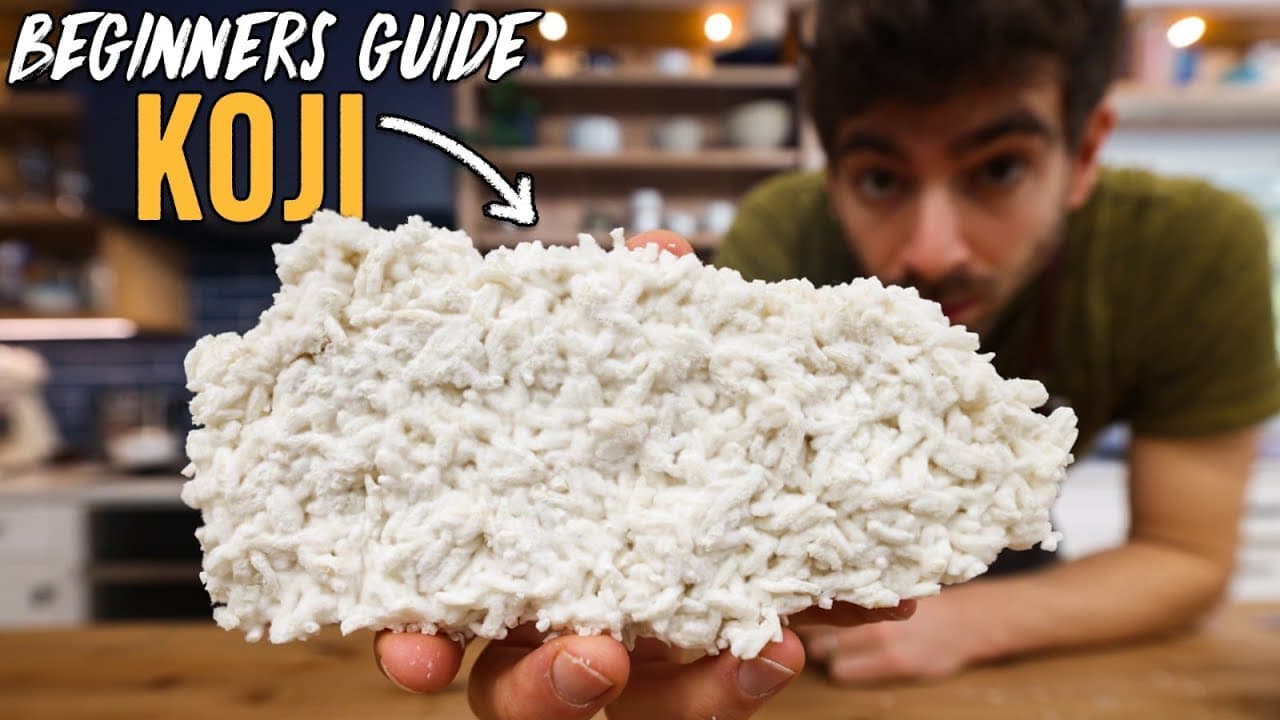
all right so this stuff right here is called Koji and most of you have probably never heard about it before and I don't blame you because it's really just started to catch popularity in the western culinary world but I guarantee that you are consuming foods that are made with Koji on a daily basis because things like soy sauce are made with Koji or... Read More
Key Insights
- 🤩 Koji, a mold-infused rice, serves as a key ingredient in traditional Japanese culinary products like miso paste and soy sauce.
- 🌾 The process of making Koji involves steaming rice, inoculating it with Koji spores, and creating a warm, humid environment for fermentation.
- 🗯️ Fermenting miso paste requires the right balance of ingredients, time, and environmental conditions to achieve optimal flavor development.
- 😋 Koji's transformative power lies in unlocking flavors and nutrients in starchy foods, enhancing their taste and nutritional value.
- 🍳 The fermentation process of miso paste involves breaking down proteins, converting starches into sugars and amino acids, and creating complex umami flavors.
- 🖐️ Salt plays a vital role in miso paste fermentation, acting as a preservative, flavor enhancer, and protection against harmful microorganisms.
- 👎 Traditional methods of fermenting miso involve burying crocks in the ground or exposing them to seasonal temperature changes for optimal flavor development.
Install to Summarize YouTube Videos and Get Transcripts
Explore YouTube Video Summarizer or Get YouTube Transcript Extractor
Questions & Answers
Q: What is Koji, and how does it enhance food products?
Koji is rice inoculated with a specific mold that unlocks flavors and transforms starchy foods like soybeans into miso paste by breaking down starches and proteins into amino acids and sugars, enriching the food with umami flavors.
Q: What are the steps involved in making Koji at home?
Making Koji at home includes steaming rice, inoculating it with Koji spores, maintaining a warm and humid environment for mold growth, and checking and mixing the rice daily until the mold covers it completely.
Q: Why is salt added to miso paste during fermentation?
Salt is crucial in miso paste fermentation for preservation and flavor development. It helps break down proteins, acts as a barrier against harmful mold growth, and contributes to the distinctive taste of miso.
Q: How long does it take to ferment miso paste, and what are the key factors to consider?
Fermenting miso paste can take months to years, with longer durations yielding different flavor profiles. Maintaining a cool environment, weighing down the fermenting miso to prevent air pockets, and checking the progress regularly are crucial factors in the process.
Summary & Key Takeaways
-
Koji, a mold-infused rice, unlocks flavors and nutrition in foods like miso paste and soy sauce.
-
The two-step process involves inoculating rice with mold, then mixing it with starchy food like soybeans for fermentation.
-
Creating Koji involves steaming rice, growing mold, and maintaining a warm, humid environment for fermentation.
Read in Other Languages (beta)
Share This Summary 📚
Summarize YouTube Videos and Get Video Transcripts with 1-Click
Try YouTube Summary with ChatGPT & Claude or YouTube Transcript Generator
Explore More Summaries from Pro Home Cooks 📚




Summarize YouTube Videos and Get Video Transcripts with 1-Click
Try YouTube Summary with ChatGPT & Claude or YouTube Transcript Generator