Malaria in the Amazon: Battling a health crisis
TL;DR
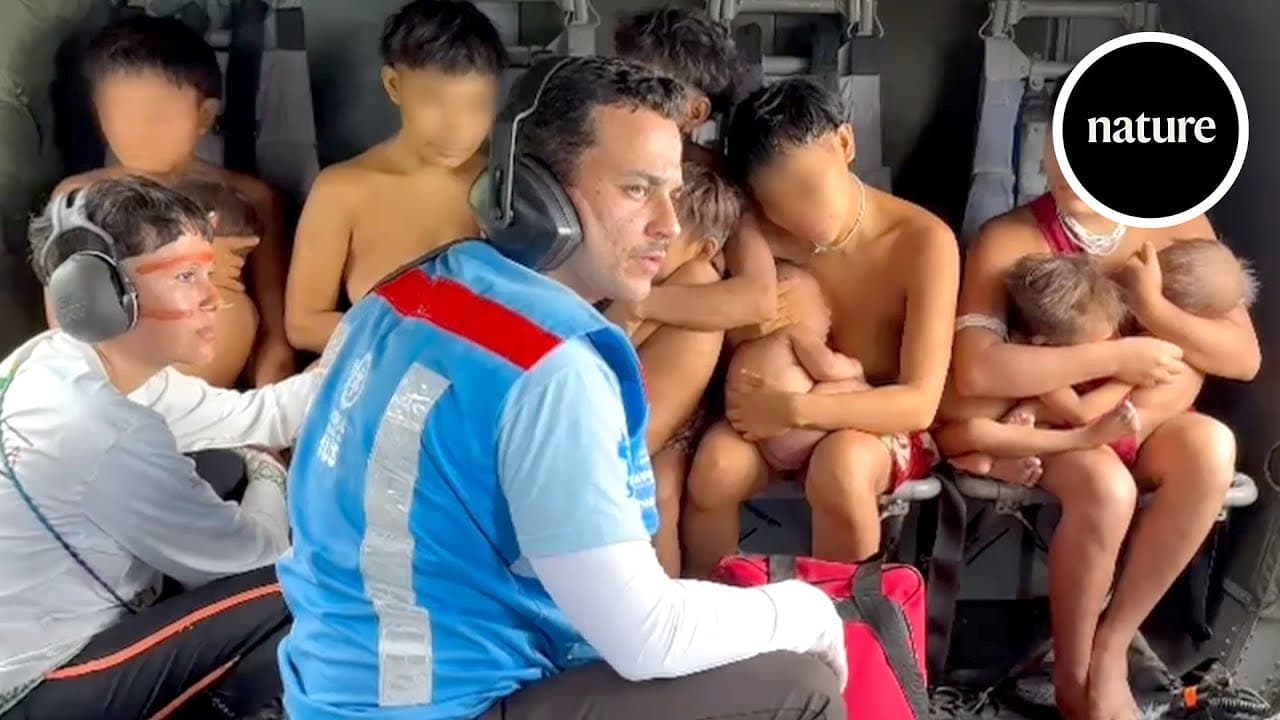
Brazil faces a health emergency affecting indigenous communities, driven by neglect, mining, and disease outbreaks.
Transcript
foreign 2023 the Brazilian government declared a state of emergency over the health of the indigenous people in horaima accusing the previous government of neglect amounting to genocide indigenous communities throughout horaima are suffering from malnutrition tuberculosis starvation and most grave of all a deadly explosion in malaria cases we're tr... Read More
Key Insights
- 😣 A state of emergency has been declared in Roraima due to severe health crises affecting indigenous populations, primarily driven by neglect and illegal mining activities.
- 😀 Indigenous communities, such as the Yanomami, now face heightened threats from malnutrition, tuberculosis, and malaria, requiring immediate health interventions.
- 💉 The resurgence of illegal mining has worsened health outcomes, as it introduces diseases and disrupts the food supply, emphasizing the need for stringent protective measures and improved health infrastructure.
- 👻 Mass Drug Administration (MDA) could be a game-changer against malaria in indigenous territories, allowing for rapid, community-wide treatment amidst logistical challenges in remote areas.
- 🗯️ Past government policies under Bolsonaro have resulted in setbacks for indigenous health protections, highlighting the ongoing struggle for rights and resources among these communities.
- 🧑⚕️ The healthcare response involves not only immediate treatment measures but also long-term strategies for community empowerment to combat health crises independently.
- 💉 There’s an urgent need to address not just malaria but also concurrent health challenges like tuberculosis among indigenous populations for a holistic approach.
Install to Summarize YouTube Videos and Get Transcripts
Explore YouTube Video Summarizer or Get YouTube Transcript Extractor
Questions & Answers
Q: What specific health issues are facing the indigenous communities in Roraima?
Indigenous communities in Roraima are grappling with severe malnutrition, high rates of tuberculosis, and a deadly surge in malaria cases. The malaria outbreak is particularly alarming due to the growing presence of illegal miners who bring diseases and disrupt food sources, contributing to an overall health crisis within these vulnerable populations.
Q: How has illegal mining impacted the health situation of indigenous peoples in Roraima?
Illegal mining in Roraima has exacerbated health issues by introducing diseases like malaria and tuberculosis into indigenous territories. Mining operations damage the environment, poison water sources with mercury, and deplete natural resources, making it difficult for indigenous communities to hunt and fish, leading to malnutrition and increased disease susceptibility.
Q: What role does Mass Drug Administration (MDA) play in addressing malaria in remote indigenous communities?
Mass Drug Administration (MDA) is a proposed strategy approved by the WHO that allows entire communities to be treated for malaria without needing individual diagnostic tests. This approach is particularly promising in remote areas like Roraima, where traditional testing and treatment are logistically challenging, potentially helping to reduce malaria incidence significantly and improve community health outcomes.
Q: What challenges do health workers face in their response efforts in Roraima?
Health workers encounter numerous challenges, including difficult access to remote indigenous territories, a shortage of medical staff, and the need for sustainable funding and resources. Additionally, lingering effects of past government policies complicate their efforts, as the communities grapple with ongoing health crises amid a lack of infrastructure for consistent medical care.
Summary & Key Takeaways
-
The Brazilian government has declared a health emergency for indigenous communities in Roraima, citing neglect leading to malnutrition, tuberculosis, and a surge in malaria cases.
-
Indigenous territories, home to groups like the Yanomami, face health challenges exacerbated by illegal mining activities that introduce diseases and harm local resources.
-
While health workers mobilize to improve conditions, the government’s previous policies under Bolsonaro created significant setbacks, making effective health responses more crucial than ever.
Read in Other Languages (beta)
Share This Summary 📚
Summarize YouTube Videos and Get Video Transcripts with 1-Click
Try YouTube Summary with ChatGPT & Claude or YouTube Transcript Generator
Explore More Summaries from nature video 📚


Summarize YouTube Videos and Get Video Transcripts with 1-Click
Try YouTube Summary with ChatGPT & Claude or YouTube Transcript Generator