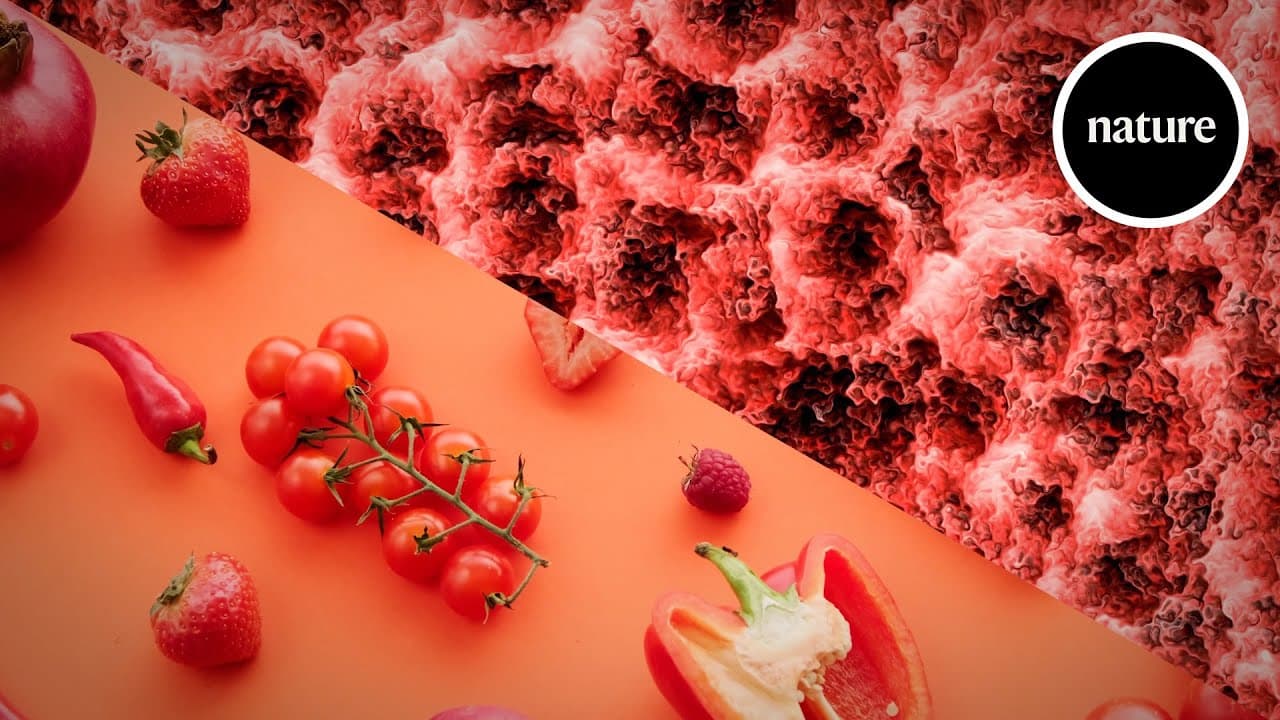
Feeding immunity
TL;DR
The foods we consume significantly influence our immune cell function and metabolism.
Transcript
what I was surprised to see is how almost every cell in the body changes its own metabolism inside the cell when we change the diet what we eat ends up in our immune cells we're not just feeding ourselves our body we are feeding our immune cells will these fuels that they're using help us fight cancer and fight infection or will it hinder us Lydia ... Read More
Key Insights
- ❓ Diet profoundly influences immune cell metabolism; adequate nutrition is essential for effective immune responses.
- 😉 T and NK cells require specific energy sources to function optimally; unhealthy diets can inhibit their protective abilities.
- 🥵 A shift toward healthier eating habits can significantly improve the immune system's readiness to fight infections and tumors.
- 🖐️ The source of dietary fats, not just their quantity, plays an essential role in facilitating or hindering immune cell functions.
- 🧑⚕️ Collaboration across scientific disciplines is essential in tackling complex health issues, including cancer and nutrient metabolism.
- 🧑⚕️ Understanding the connection between diet and immune health can lead to practical dietary recommendations for enhancing overall health.
- 🧑⚕️ Individual choices in diet can influence not just personal health but broader public health outcomes, including cancer incidence rates.
Install to Summarize YouTube Videos and Get Transcripts
Explore YouTube Video Summarizer or Get YouTube Transcript Extractor
Questions & Answers
Q: How does diet impact immune cell metabolism?
Diet plays a crucial role in immune cell metabolism by supplying the necessary nutrients that fuel various cellular functions. If a diet is high in unhealthy fats, immune cells like T and NK cells may become less efficient in responding to infections or tumors because they are not receiving optimal fuel to perform their jobs effectively.
Q: What are natural killer (NK) cells and their role in the immune system?
NK cells are a type of white blood cell that plays a pivotal role in the innate immune response. They can identify and destroy tumor cells or virus-infected cells. Their efficiency can be hindered by a diet with excessive unhealthy fats, slowing their response and reducing their ability to initiate effective attacks on threats.
Q: Can lifestyle changes influence cancer risk and immune system efficacy?
Yes, lifestyle choices, particularly dietary habits, can influence cancer risk by affecting immune cell performance. While genetic predispositions contribute to cancer susceptibility, a healthy diet that supports immune function can alter the odds, potentially decreasing inflammation and improving immune response against cancerous cells.
Q: What surprising findings did Lydia Lynch discover in her research?
Lynch was surprised to find that the source of fat in the diet—whether from plants or animals—had a significant impact on how immune cells function. Mice fed animal fat exhibited enhanced cancer growth despite similar obesity levels, indicating that the quality of dietary fat could be more critical than quantity.
Q: How can collaboration among scientists improve health outcomes?
Collaborative efforts among immunologists, nutritionists, and oncologists can bridge gaps in knowledge, leading to integrated approaches that consider nutrition when tackling immune-related health issues and cancer treatments. Sharing insights enhances understanding and innovation in developing targeted interventions.
Q: Why is it essential to address diet recommendations based on immune health?
Addressing dietary recommendations with a focus on immune health is crucial because specific nutrients can directly influence immune cell metabolism and functionality. Educating individuals on how diet affects immunity can empower them to make choices that enhance their health and reduce the risk of infections and cancer.
Summary & Key Takeaways
-
Lydia Lynch, an immunologist, explains how dietary choices affect the metabolism of immune cells, significantly impacting their ability to fight infections and cancer.
-
When immune cells, particularly T and natural killer (NK) cells, are fueled by unhealthy diets, their efficiency in combating tumors and pathogens is compromised.
-
A collaborative approach among scientists from varying fields could lead to better understanding and strategies for improving immune function and cancer treatment through diet.
Read in Other Languages (beta)
Share This Summary 📚
Summarize YouTube Videos and Get Video Transcripts with 1-Click
Try YouTube Summary with ChatGPT & Claude or YouTube Transcript Generator
Explore More Summaries from nature video 📚




Summarize YouTube Videos and Get Video Transcripts with 1-Click
Try YouTube Summary with ChatGPT & Claude or YouTube Transcript Generator