Why You Shouldn't Second Guess Your Decisions
TL;DR
Doubting past decisions can lead to regret and confusion over time.
Transcript
the business of living can be Complicated by a particularly exhausting habit our tendency to question our judgments with the passage of time what had originally seemed like a clearcut and soundly based decision can after a few weeks or months come under fresh scrutiny and Inspire intense doubt regret shame insomnia and at points hurried attempts to... Read More
Key Insights
- 😶🌫️ Emotional distance from decisions can cloud judgment, leading to mistaken reassessments over time.
- 🤫 The human brain's ability to mask pain can result in a selective memory that revises our past perceptions with an emotionally colored lens.
- 🫷 Loneliness can create a powerful yearning for connection, pushing individuals to reconsider earlier rejections or decisions about relationships and careers.
- 💁 Initial judgments are often informed by clear reasoning, which may become obscured by regret and yearning when revisited later.
- 🥺 It is essential to recognize the psychological trends that lead to doubt and confusion regarding past actions to make sound future decisions.
- ⌛ Trusting what you knew at the time of a decision is a healthier approach than relying on shifting current feelings, which are often influenced by circumstance.
- 🍔 Reflecting on the context of decisions can help validate earlier choices and reduce harmful urges to reconnect with situations that previously caused distress.
Install to Summarize YouTube Videos and Get Transcripts
Explore YouTube Video Summarizer or Get YouTube Transcript Extractor
Questions & Answers
Q: Why do we often second-guess past decisions?
Second-guessing arises from a natural psychological mechanism where, over time, we become more adept at letting go of past pain. This can lead us to romanticize former partners or options we initially rejected as we grapple with loneliness, confusion, and unmet desires for connection.
Q: How can loneliness influence our perceptions of past choices?
Loneliness can distort our perceptions by making negative elements of past relationships or decisions fade from memory. This distortion prompts us to reconsider choices we initially made thoughtfully, creating an overwhelming urge to reconnect or revisit past experiences that seemed unsatisfactory.
Q: What should we remember about the decision-making process?
It's crucial to remember that our judgment may become impaired the further we are from the time of our decision. As time passes, the emotional weight of loneliness or dissatisfaction can lead us to overlook the sound reasoning that influenced our original choices.
Q: How can we stay grounded in our decision-making?
To stay grounded, one should focus on the rationale behind past decisions and resist the urge to revise views based on transient emotions. It’s beneficial to recall the context and feelings at the time of the decision, allowing for deeper reflection on whether a revision is truly warranted.
Summary & Key Takeaways
-
The content discusses how our judgments may shift over time, particularly regarding past relationships, careers, and friendships, evoking feelings of regret or doubt about earlier decisions.
-
It highlights the human tendency to romanticize past choices, especially when confronted with loneliness and painful emotions, leading to second-guessing previously sound decisions.
-
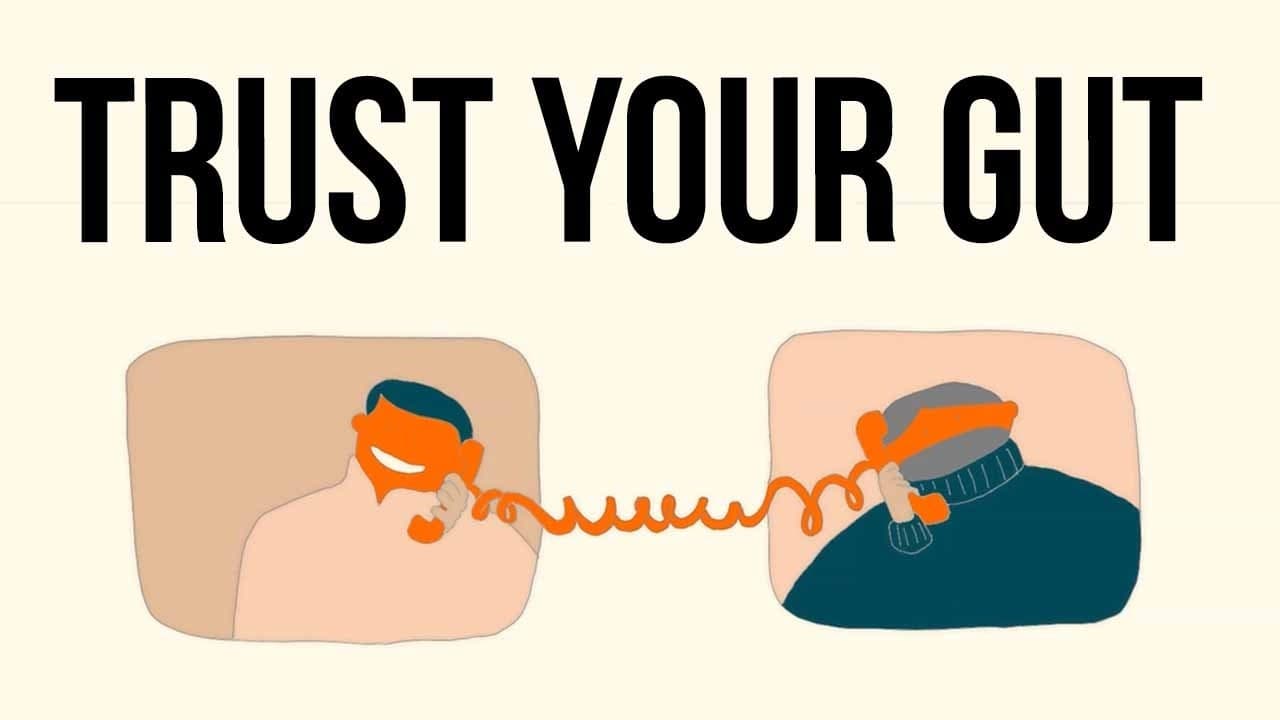
The piece suggests maintaining a clear perspective on past decisions, encouraging individuals to trust their initial judgments rather than current feelings, which can be clouded by loneliness or nostalgia.
Read in Other Languages (beta)
Share This Summary 📚
Summarize YouTube Videos and Get Video Transcripts with 1-Click
Try YouTube Summary with ChatGPT & Claude or YouTube Transcript Generator