The Most Dangerous Dams
TL;DR
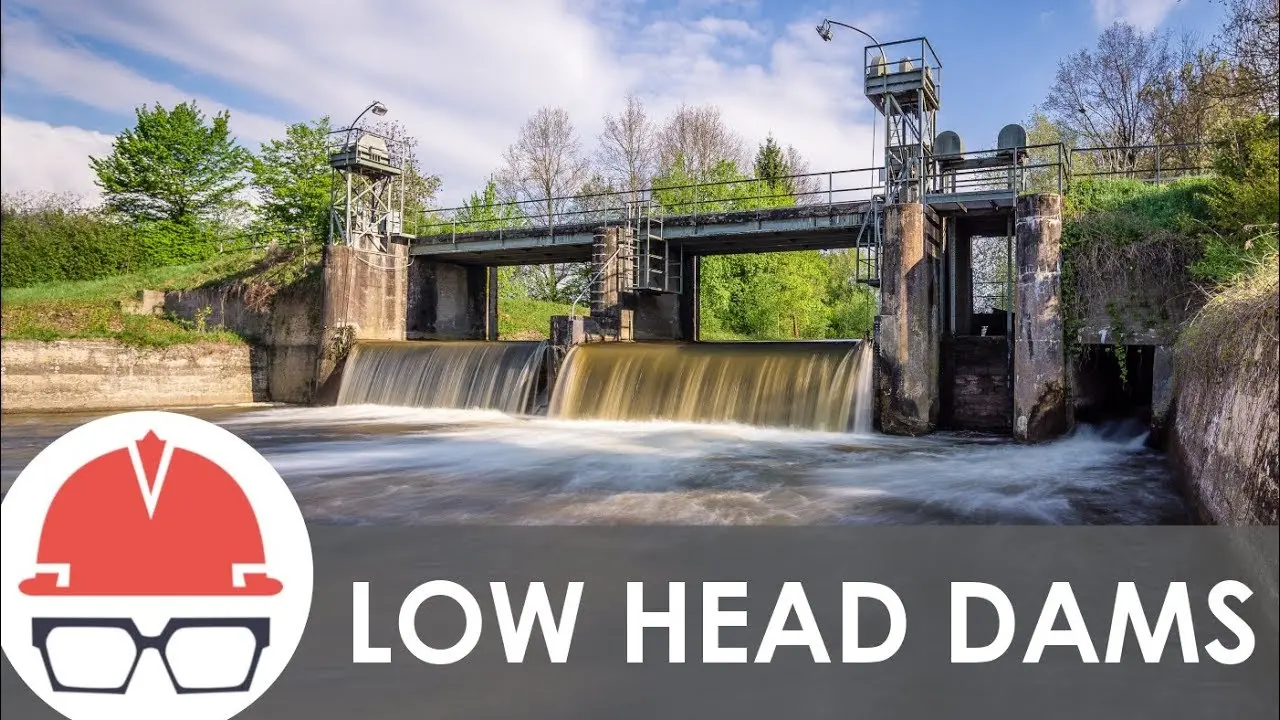
Low head dams pose significant drowning risks due to hydraulic jumps.
Transcript
Dams serve a wide variety of purposes from hydropower to flood control to storage of water for municipal and industrials uses. But when a dam’s useful purpose fades away, the structure itself still remains. Dams come in all shapes and sizes, but contrary to what you might think, the most dangerous dams are often the smallest. Hey I’m Grady and this... Read More
Key Insights
- Low head dams, often small and inconspicuous, are surprisingly dangerous due to their hydraulic properties, which can create treacherous conditions for swimmers and kayakers.
- These dams were historically built to support industries powered by water, but many are now obsolete and pose safety risks due to neglect and disrepair.
- A hydraulic jump occurs when fast-moving water slows down, creating dangerous recirculating currents that can trap and drown individuals.
- The depth of water downstream, known as tailwater, influences the hydraulic jump's location, with higher tailwater increasing the danger by forming submerged jumps.
- Submerged hydraulic jumps create 'keepers'—recirculating zones that trap debris and people, making escape extremely difficult and dangerous.
- Mitigation strategies include establishing exclusion zones, improving signage, modifying dam structures, or removing obsolete dams to restore ecosystems and improve safety.
- The air entrainment and cold water conditions near low head dams reduce buoyancy and increase hypothermia risk, compounding the dangers posed by these structures.
- Public awareness and education about the risks associated with low head dams are crucial for preventing accidents and fatalities.
Install to Summarize YouTube Videos and Get Transcripts
Explore YouTube Video Summarizer or Get YouTube Transcript Extractor
Questions & Answers
Q: What makes low head dams particularly dangerous?
Low head dams are dangerous due to their ability to create hydraulic jumps, which result in recirculating currents that can trap and drown individuals. These currents, known as 'keepers,' are especially perilous when the hydraulic jump is submerged, making escape extremely difficult and hazardous for swimmers and kayakers.
Q: Why were low head dams originally constructed?
Low head dams were originally constructed to support industries that relied on water power, such as mills and factories, during the 1800s. They were used to raise water levels for navigation, hydropower generation, and water supply. However, many of these dams are now obsolete as industries have transitioned to other energy sources.
Q: How does the tailwater level affect the danger of a low head dam?
The tailwater level, or the depth of water downstream of a dam, affects the location of the hydraulic jump. A higher tailwater level can cause the hydraulic jump to become submerged, forming a 'keeper' that traps objects and people in recirculating currents, significantly increasing the danger posed by the dam.
Q: What are the potential consequences of a submerged hydraulic jump?
A submerged hydraulic jump creates a 'keeper,' a recirculating zone that traps debris and people, making escape extremely difficult. This condition is dangerous because it can lead to drowning, as individuals caught in the recirculating currents struggle to reach the surface or escape downstream.
Q: What mitigation strategies are suggested for low head dams?
Mitigation strategies for low head dams include establishing exclusion zones to keep people away, improving signage and warnings, modifying the dam structure to reduce recirculating currents, and removing obsolete dams altogether. These measures aim to enhance public safety and restore natural river ecosystems.
Q: How do hydraulic jumps form at low head dams?
Hydraulic jumps form at low head dams when supercritical flow, characterized by fast-moving water, transitions to subcritical flow, which is slower and deeper. This transition creates a turbulent recirculating zone known as a hydraulic jump, posing a significant danger to individuals in the waterway.
Q: What role does air entrainment play in the danger of low head dams?
Air entrainment in the turbulent flow of a hydraulic jump reduces the buoyancy of swimmers and kayakers, making it more difficult to stay afloat. Combined with the cold water temperatures often found near dams, this increases the risk of hypothermia and disorientation, compounding the danger.
Q: Why is public awareness crucial in addressing the dangers of low head dams?
Public awareness is crucial because many people underestimate the dangers posed by low head dams. Educating the public about the risks and proper safety measures can prevent accidents and fatalities. Awareness campaigns can also support efforts to implement safety measures and encourage responsible behavior near these structures.
Summary & Key Takeaways
-
Low head dams, though small, are perilous due to their ability to create hydraulic jumps, which trap and drown individuals. These dams, often remnants of past industrial uses, pose significant safety risks due to their neglected state and the dangerous hydraulic conditions they create.
-
A hydraulic jump occurs when water transitions from supercritical to subcritical flow, creating dangerous recirculating currents. When the jump is submerged, it forms a 'keeper' that traps debris and people, making it nearly impossible to escape without significant risk.
-
To mitigate the dangers of low head dams, strategies such as exclusion zones, improved signage, structural modifications, or complete removal are recommended. These measures not only enhance safety but also contribute to ecological restoration and improved river connectivity.
Read in Other Languages (beta)
Share This Summary 📚
Summarize YouTube Videos and Get Video Transcripts with 1-Click
Try YouTube Summary with ChatGPT & Claude or YouTube Transcript Generator
Explore More Summaries from Practical Engineering 📚






Summarize YouTube Videos and Get Video Transcripts with 1-Click
Try YouTube Summary with ChatGPT & Claude or YouTube Transcript Generator