How Will EU's New Law Change Smartphone Design?
TL;DR
The European Parliament's new law mandates that smartphones and other consumer devices must have easily replaceable batteries without the need for special tools. This requirement will force manufacturers like Apple and Samsung to redesign their devices, moving away from adhesive-based constructions to meet compliance by 2027, aiming to reduce e-waste and promote sustainable battery recycling.
Transcript
hi welcome to another episode of Cold Fusion in cold Fusion's early days back in the early to mid-2010s a lot of Android phones would make their way onto the channel one very common feature among these phones was use a replaceable batteries at the time carrying a spare battery in your pocket wasn't that unusual of an occurrent but have you ever won... Read More
Key Insights
- 🔋 A new law from the European Parliament will require consumer devices, including phones, tablets, and laptops, to have easily replaceable batteries. This will impact manufacturers worldwide.
- 🔌 The law states that battery replacement should not require any special tools and should be able to be done by a layman. This will force companies to change their design process and move away from adhesives.
- 📱 Most smartphones are currently designed using a glass sandwich method that relies heavily on adhesives. Unless companies find new ways to build phones without adhesives, this law will greatly affect companies like Apple, Google, and Samsung.
- 💼 Phone manufacturers are unlikely to design specific phones for the EU, as it would be expensive, which means these changes will have a ripple effect around the world. ⏳ The law was approved by the European Council and will go into effect in 2027, giving manufacturers over three years to comply.
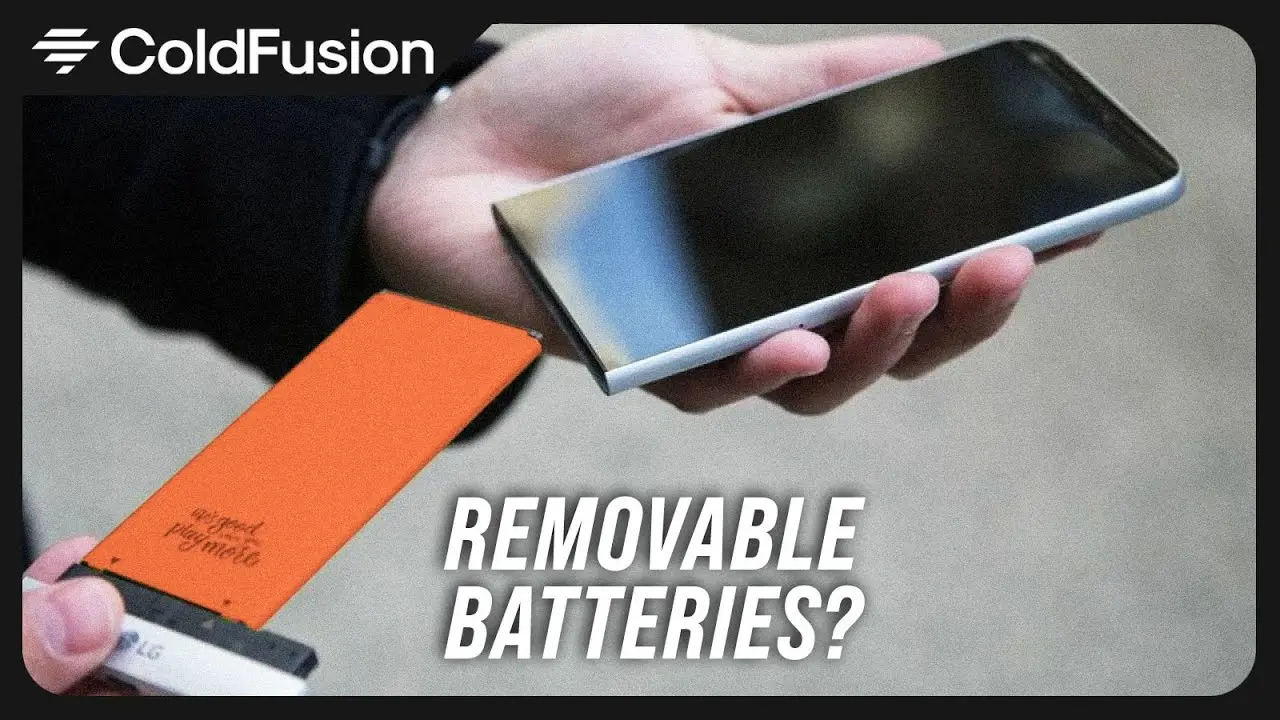
- 💧 Some argue that easily replaceable batteries will make waterproofing and dustproofing more challenging, but the LG G5 showed that it is possible to make a thin and premium phone with a removable battery.
- 💰 The right to repair movement sees the law as a big success, as it calls for consumer goods to be easily repairable. Apple is known for making repairs difficult and disabling features when non-genuine parts or repairs are used.
- 🌍 The law aims to protect the environment by reducing e-waste and creating a circular economy for batteries. However, it may be challenging to enforce consumers giving their old phone batteries back to manufacturers.
Install to Summarize YouTube Videos and Get Transcripts
Explore YouTube Video Summarizer or Get YouTube Transcript Extractor
Questions & Answers
Q: How will the law impact smartphone manufacturers like Apple and Samsung?
The law will require manufacturers to change their design approach, as the current glass sandwich design with adhesives will no longer be allowed. Companies like Apple and Samsung will have to find new methods to ensure battery replacement without sacrificing design or water resistance.
Q: How will this law affect the rest of the world, outside of Europe?
While phone manufacturers are unlikely to design specific phones for the EU, the law's impact will ripple beyond Europe. Manufacturers will have to comply with the replaceable battery requirement worldwide, leading to changes in the design and manufacturing processes of devices globally.
Q: What is the intention behind the law?
The primary goal of the law is to protect the environment by reducing e-waste and promoting a circular economy for batteries. By making batteries easily replaceable and increasing recycling efforts, the law aims to ensure that the raw materials used in batteries are not wasted.
Q: How does the law benefit the right to repair movement?
The law aligns with the right to repair movement's objective of making consumer goods easily repairable. It challenges the trend of replacing broken devices instead of repairing them by requiring manufacturers to make battery replacement accessible and discouraging anti-consumer practices.
Q: Will consumers be willing to return their old phone batteries to manufacturers?
Enforcing responsible battery disposal and collection may be challenging. Getting consumers to participate in returning old batteries to manufacturers will require effective awareness campaigns and incentives to ensure compliance with the law's recycling requirements.
Summary & Key Takeaways
-
The European Parliament has passed a law requiring consumer devices to have easily replaceable batteries without the need for special tools.
-
This law will impact the design of smartphones, tablets, laptops, and other devices, forcing manufacturers to find new ways to build devices without adhesives.
-
The law will come into effect in 2027 and aims to reduce e-waste, increase battery recycling, and ensure the responsible disposal of batteries.
Read in Other Languages (beta)
Share This Summary 📚
Summarize YouTube Videos and Get Video Transcripts with 1-Click
Try YouTube Summary with ChatGPT & Claude or YouTube Transcript Generator
Explore More Summaries from ColdFusion 📚






Summarize YouTube Videos and Get Video Transcripts with 1-Click
Try YouTube Summary with ChatGPT & Claude or YouTube Transcript Generator