Do Flipper Bands Impact King Penguin Survival Rates?
TL;DR
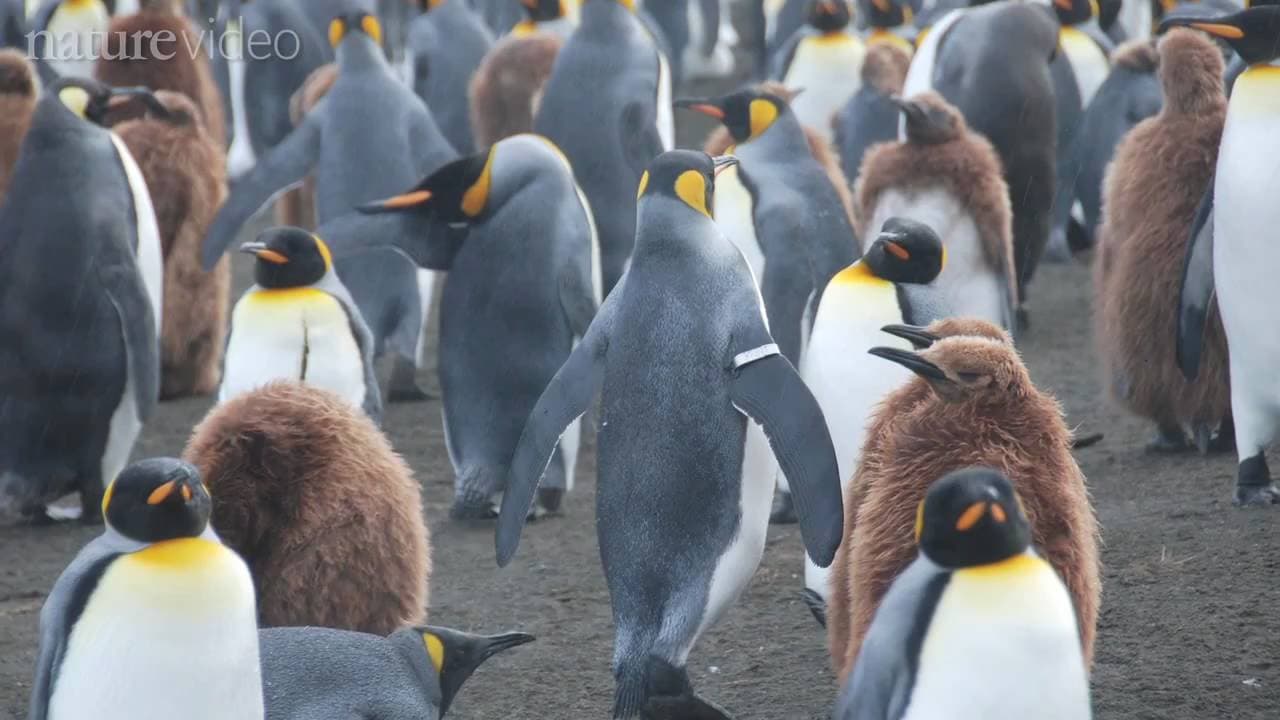
King penguins with flipper bands have 39% fewer chicks and a 16% lower survival rate compared to unbanded penguins. The added weight of the bands affects their hydrodynamics, making it harder to forage for food and ultimately reducing their reproductive success. These findings call into question the reliability of data used in climate change assessments based on banded populations.
Transcript
these King penguins live on a small island in the cros archipelago halfway between the southern tip of Africa and Antarctica here in the Southern Ocean the penguin is at the top of the food chain so scientists study populations like this to gauge how climate change is affecting the whole southern ocean ecosystem to keep track of individual birds th... Read More
Key Insights
- 😉 King penguins serve as indicators of the southern ocean ecosystem's health due to their position at the top of the food chain.
- 🤕 Flipper bands, despite their convenience, can hinder penguin performance, affecting their hunting efficiency and reproductive success.
- 👨🔬 The study's results underscore the importance of reevaluating wildlife monitoring techniques to ensure data accuracy in ecological research.
- 🤨 The research raises vital questions about how our methods in studying wildlife can inadvertently affect the subjects of our studies.
- 👨🔬 Climate change assessments may be skewed by data biased through harmful tracking techniques, necessitating accurate research methodologies.
- 🤕 The significant discrepancy in chick production and survival rates between banded and unbanded penguins highlights the consequences of traditional research practices.
- ❗ Advancements in technology, such as transponder tags, offer promising alternatives for wildlife tracking, reducing the negative impacts of heavier marking systems.
Install to Summarize YouTube Videos and Get Transcripts
Explore YouTube Video Summarizer or Get YouTube Transcript Extractor
Questions & Answers
Q: What were the main objectives of the penguin study?
The primary aim of the study was to determine how flipper bands impact the breeding success of King penguins and, by extension, assess the accuracy of data used to evaluate climate change implications on marine ecosystems.
Q: How did researchers track the penguins during the study?
Researchers utilized a combination of minute transponder tags inserted under the penguins' skin, along with antennas and video cameras. This technologically advanced method allowed for continuous monitoring of the birds' movements between breeding sites and the sea.
Q: What impact did flipper bands have on the penguins’ behaviors?
Banded penguins exhibited delayed breeding and spent more time foraging at sea, which the study attributed to the added weight and drag of the bands. This increase in energy expenditure likely led to less effective hunting and a reduced availability of food for their chicks.
Q: Why is the data collected from banded penguins considered potentially biased?
The study concluded that if monitoring methods like banding alter the behavior of penguins, the data collected could misrepresent the true population dynamics. Consequently, researchers must account for these biases when utilizing banded data to draw conclusions on climate change and its effects.
Q: What were the specific findings regarding the breeding success of banded vs. unbanded penguins?
Over the decade-long study, banded King penguins had 39% fewer chicks and a 16% lower survival rate compared to their unbanded counterparts. These stark differences suggest significant implications for wildlife management and the methodologies used in ecological research.
Q: What conclusions can be drawn regarding the use of flipper bands for data collection in wildlife studies?
The findings suggest that while flipper bands are commonly used for identification, their negative impact on breeding and survival rates can bias data. This prompts the need for researchers to consider alternative identification methods that do not compromise the animals' welfare.
Summary & Key Takeaways
-
A study conducted over ten years reveals that King penguins with flipper bands have significantly lower breeding success compared to those without bands. This raises concerns about the reliability of population data used to assess climate change impact.
-
Researchers monitored 100 King penguins, using transponder tags and video cameras to observe movements. The results showed that banded penguins arrived later for breeding and spent more time foraging, suggesting hindrance due to band weight.
-
The findings indicate that traditional methods of marking penguins may unknowingly skew data on penguin population dynamics, prompting scientists to seek alternative methods for tracking wildlife without negatively impacting their reproduction.
Read in Other Languages (beta)
Share This Summary 📚
Summarize YouTube Videos and Get Video Transcripts with 1-Click
Try YouTube Summary with ChatGPT & Claude or YouTube Transcript Generator
Explore More Summaries from nature video 📚





Summarize YouTube Videos and Get Video Transcripts with 1-Click
Try YouTube Summary with ChatGPT & Claude or YouTube Transcript Generator