What Is Consciousness? Explained Simply
TL;DR
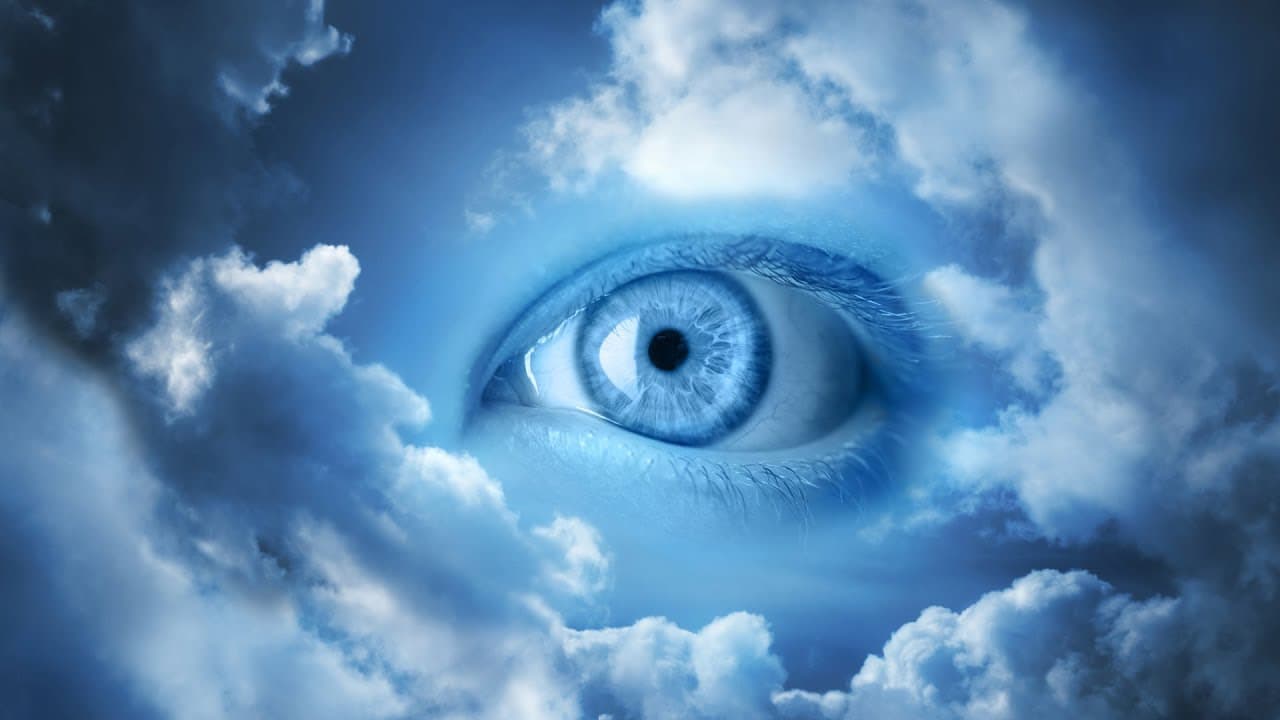
Consciousness is the fundamental substance of reality, more primary than matter or energy. It is not an emergent property of the brain but is the essence of everything, existing as a universal field. Understanding consciousness requires a paradigm shift from materialism to a recognition of consciousness as the substrate of all existence.
Transcript
you I'm back I'm back from my 30-day meditation retreat and man it's good to be back but I won't be talking about much of that here today today we're gonna be talking about what is consciousness kind of a standard topic that we talk about but if you're interested about insights and mistakes that I made and lessons learned from my retreat that I'll ... Read More
Key Insights
- Consciousness is not a product of brain activity; it is the fundamental essence of reality.
- Materialist paradigms wrongly assume consciousness is an emergent phenomenon.
- Consciousness is not bound by space and time; it is universal and non-localized.
- The universe is a giant mind, with all objects being manifestations within consciousness.
- Consciousness can be understood as 'nothing,' but this nothing is existence itself.
- Neuroscience cannot fully grasp consciousness because it operates within consciousness.
- To truly understand consciousness, one must experience a paradigm shift beyond materialism.
- Consciousness can be raised dramatically, leading to profound changes in perception and understanding.
Install to Summarize YouTube Videos and Get Transcripts
Explore YouTube Video Summarizer or Get YouTube Transcript Extractor
Questions & Answers
Q: How can consciousness exist without a brain?
Consciousness is not dependent on the brain; it is the fundamental essence of reality. While the brain can influence the experience of consciousness, consciousness itself is universal and not localized within the brain. It exists independently as the substrate of all reality, encompassing everything.
Q: Why can't neuroscience fully explain consciousness?
Neuroscience operates within consciousness and therefore cannot fully grasp it. Consciousness is the fundamental substrate, and neuroscience assumes consciousness is an epiphenomenon. This assumption limits neuroscience's ability to understand consciousness, as it is more primary than the brain or neural activity.
Q: What is the materialist paradigm's view of consciousness?
The materialist paradigm views consciousness as an emergent property of brain activity, a secondary phenomenon arising from physical processes. It assumes reality is composed of matter and energy, with consciousness being a byproduct. This view is challenged by the idea that consciousness is more fundamental than matter.
Q: How is consciousness described as 'nothing'?
Consciousness is described as 'nothing' because it lacks attributes and is pure existence without content. This 'nothing' is not non-existence but the substrate of all reality. It is the field within which all phenomena occur, making it the essence of everything, including existence itself.
Q: Can consciousness be increased or expanded?
Yes, consciousness can be dramatically increased or expanded. This involves a paradigm shift and practices like meditation, yoga, or psychedelics to become more aware of consciousness as the fundamental reality. Increased consciousness leads to profound changes in perception and understanding of existence.
Q: What is the relationship between consciousness and the universe?
The universe is a manifestation within consciousness, which is the fundamental essence of all existence. Consciousness is not localized or bound by space and time, making the universe a giant mind where all objects and phenomena are expressions of this universal consciousness.
Q: How does the concept of 'nothingness' relate to consciousness?
The concept of 'nothingness' in relation to consciousness refers to its lack of attributes and its role as pure existence. This 'nothingness' is not non-existence but the essence of reality, allowing consciousness to be the substrate of all phenomena and the field within which everything occurs.
Q: What is the significance of understanding consciousness?
Understanding consciousness is crucial as it is the master key to life, dictating actions, emotions, and morality. Recognizing consciousness as the fundamental reality leads to a deeper understanding of existence, transcending materialist assumptions and enabling profound personal and spiritual growth.
Summary & Key Takeaways
-
Consciousness is the fundamental essence of reality, more primary than atoms or energy. It is not an emergent property of the brain but a universal field that encompasses all existence. Understanding consciousness requires a paradigm shift from materialism to recognizing it as the substrate of everything.
-
The materialist paradigm mistakenly views consciousness as a byproduct of brain activity, but consciousness is actually non-localized and universal. The universe can be seen as a giant mind, with all objects and phenomena being manifestations within this consciousness.
-
Consciousness can be thought of as 'nothing,' but this nothing is existence itself, not non-existence. To grasp the true nature of consciousness, one must move beyond materialist assumptions and experience a direct awareness of consciousness as the ultimate reality.
Read in Other Languages (beta)
Share This Summary 📚
Summarize YouTube Videos and Get Video Transcripts with 1-Click
Try YouTube Summary with ChatGPT & Claude or YouTube Transcript Generator
Explore More Summaries from Actualized.org 📚





Summarize YouTube Videos and Get Video Transcripts with 1-Click
Try YouTube Summary with ChatGPT & Claude or YouTube Transcript Generator