Supergene controls butterfly mimicry - by Nature Video
TL;DR
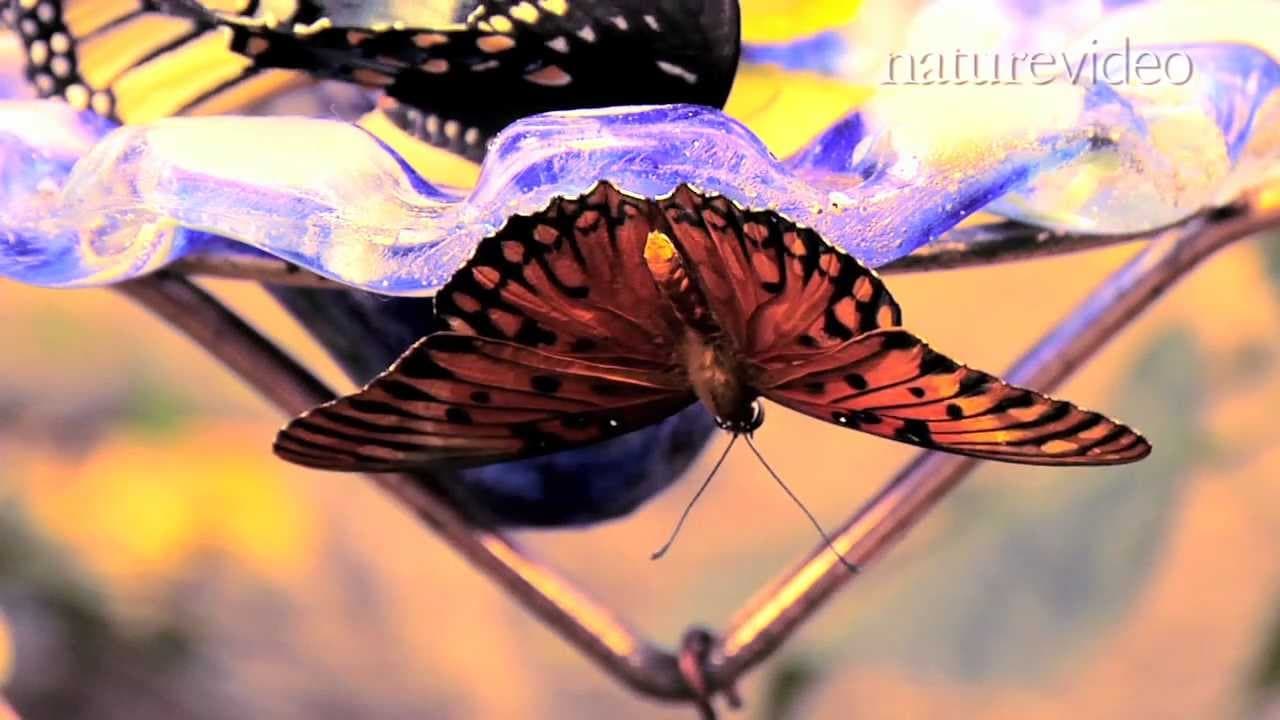
Heliconius butterflies use genetic mimicry to evolve wing patterns, enhancing survival against predators.
Transcript
at first glance it seems simple to tell one type of butterfly from the next their boldly colored Wings appear to differentiate one species from another but Predators must beware the wings of butterflies tell lies some butterflies have evolved wings that resemble those of more poisonous species a clever deception in other cases two equally poisonous... Read More
Key Insights
- 😘 Heliconius butterflies exhibit an extraordinary evolutionary strategy through wing mimicry, allowing them to avoid predation by resembling harmful species.
- ❓ The concept of Müllerian mimicry highlights the importance of cooperative survival strategies among different species in the ecosystem.
- ❓ The supergene theory provides insight into how certain traits can remain stable across generations, contradicting the standard genetic recombination process.
- 😘 Genetic studies have revealed that complex traits, such as butterfly wing patterns, may arise from less genetic variability than previously thought due to supergenes.
- 🦋 The evolution of these butterfly patterns underscores the interconnectedness of species and the role of natural selection in shaping survival traits.
- 🦾 Research in butterfly genetics illustrates broader implications for biodiversity and the mechanics of evolution in other animal species.
- 🆘 Understanding the genetic components of mimicry can help in conservation efforts by demonstrating how species adapt to environmental pressures.
Install to Summarize YouTube Videos and Get Transcripts
Explore YouTube Video Summarizer or Get YouTube Transcript Extractor
Questions & Answers
Q: What is Müllerian mimicry, and how does it apply to Heliconius butterflies?
Müllerian mimicry is an evolutionary strategy where two or more unpalatable species resemble each other. In Heliconius butterflies, this mimicry occurs as they develop similar wing patterns to more poisonous butterflies, sending a clear warning to predators that consuming them is unwise, thereby increasing their chances of survival.
Q: What role does the supergene play in the genetic makeup of Heliconius?
The supergene in Heliconius butterflies is a crucial long stretch of DNA that holds multiple smaller genes responsible for their wing patterns. This structure prevents the typical mixing of genes during reproduction, allowing butterflies to maintain distinct but similar wing patterns that assist in their mimicry and defense mechanisms against predators.
Q: How did scientists previously theorize the existence and function of supergenes?
Scientists posited the existence of supergenes in the 1970s based on observations of consistent traits in various species. They theorized that these genes could maintain multiple advantageous traits, such as wing patterns in Heliconius butterflies, without the usual genetic recombination, helping to explain the diversity and stability of mimicry in predation avoidance.
Q: What breakthrough did Mattia Joron's study achieve regarding Heliconius genetics?
Mattia Joron's study uncovered the dynamic behavior of the supergene within Heliconius DNA. It demonstrated how this supergene breaks and recombines into various configurations, each leading to a specific wing pattern while preserving the beneficial mimicry traits necessary for protection against predators.
Summary & Key Takeaways
-
The content discusses how butterflies, particularly the Heliconius species, use wing patterns to mimic poisonous species, a strategy known as Müllerian mimicry, to avoid predation.
-
Research revealed that the wing patterns of Heliconius are controlled by a supergene, which allows for various configurations that maintain distinct appearances without genetic mixing during reproduction.
-
The study led by Mattia Joron illustrates the intricate genetic mechanisms behind butterfly wing patterns, showcasing how natural selection favors these configurations for increased survival.
Read in Other Languages (beta)
Share This Summary 📚
Summarize YouTube Videos and Get Video Transcripts with 1-Click
Try YouTube Summary with ChatGPT & Claude or YouTube Transcript Generator
Explore More Summaries from nature video 📚

Summarize YouTube Videos and Get Video Transcripts with 1-Click
Try YouTube Summary with ChatGPT & Claude or YouTube Transcript Generator