Gita Wirjawan on Indonesia's Democracy and Global Challenges
TL;DR
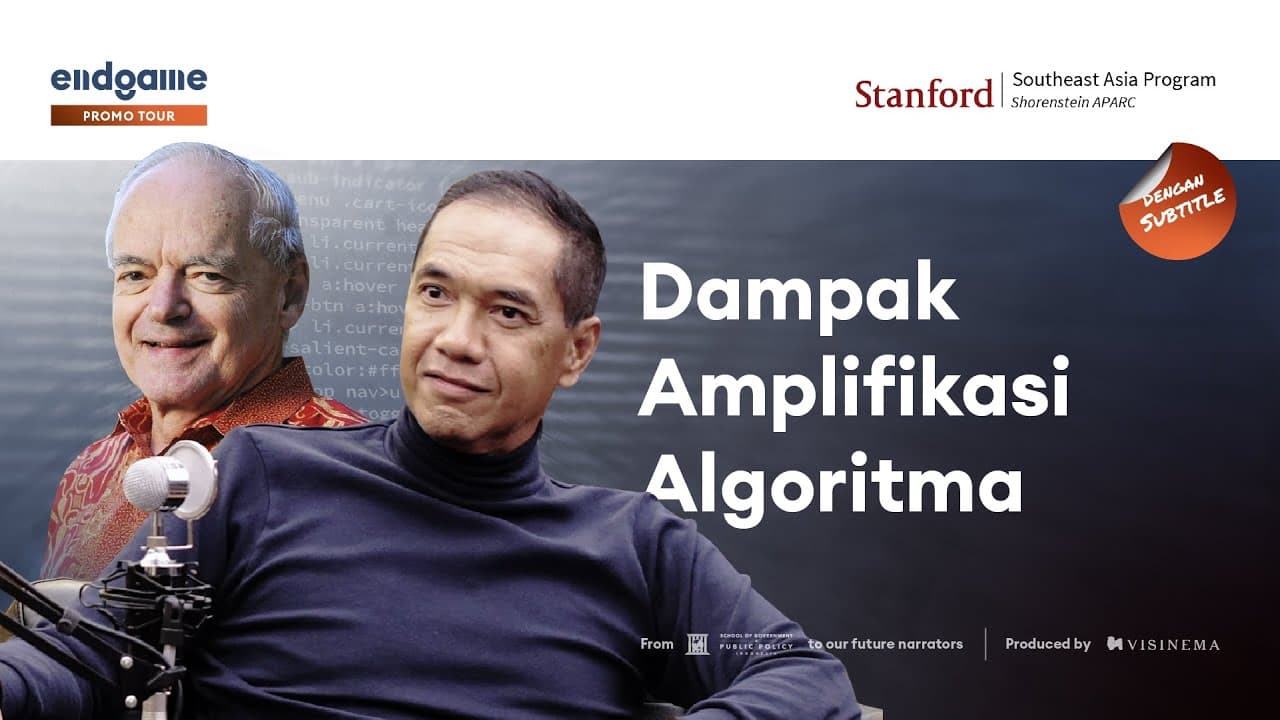
Indonesia faces significant challenges in governance, education, and climate change, with a need for democratization of ideas and improved institutional leadership. Gita Wirjawan emphasizes the importance of education reform and technological innovation to address these issues while maintaining optimism about Indonesia's future. The conversation also touches on regional tensions and the impact of global politics on Indonesia's development.
Transcript
i'm i'm off the view that i think democracies their shape has changed and i think more for the worse and i think it has been shaped or reshaped by technology where we have gone accustomed to equating freedom of expression with algorithmic amplification well greetings and salutations my name is don emerson i happen to run the southeast asia program ... Read More
Key Insights
- Indonesia's democracy is evolving and faces challenges from technological changes that amplify misinformation.
- Education reform in Indonesia should focus on improving teacher quality to enhance democratization of ideas.
- Corruption remains a significant issue, but efforts are being made to improve governance through education.
- Indonesia's role in ASEAN is crucial, and it should show more leadership in regional issues like Myanmar.
- Climate change requires both technological solutions and generational shifts in attitudes towards sustainability.
- The COVID-19 pandemic has highlighted Indonesia's healthcare and logistical challenges in vaccine distribution.
- Indonesia must balance its foreign policy between major powers like China and the US while maintaining regional stability.
- Gita Wirjawan believes in the importance of lifelong learning and adapting to new challenges through education and innovation.
Install to Summarize YouTube Videos and Get Transcripts
Explore YouTube Video Summarizer or Get YouTube Transcript Extractor
Questions & Answers
Q: How is technology affecting Indonesia's democracy?
Technology is reshaping Indonesia's democracy by amplifying misinformation through algorithmic platforms. This has led to increased polarization and challenges in democratizing ideas, necessitating improved regulation and a focus on education to foster critical thinking and informed discourse.
Q: What are the main challenges in Indonesia's education system?
Indonesia's education system faces challenges in teacher quality and resource allocation. While significant funds are dedicated to education, they often do not reach the right areas. Improving teacher quality and leveraging digital tools for education can help democratize ideas and enhance learning outcomes.
Q: How can Indonesia address corruption effectively?
Addressing corruption in Indonesia requires a long-term commitment to improving governance through education and institutional reforms. While there have been setbacks, there is optimism that increased educational opportunities and a focus on good governance can reduce corruption over time.
Q: What role should Indonesia play in ASEAN?
Indonesia should take on a leadership role in ASEAN, advocating for regional stability and addressing issues like the Myanmar crisis. By leveraging its economic and demographic scale, Indonesia can influence ASEAN's direction and promote peace and cooperation in Southeast Asia.
Q: How is Indonesia handling the COVID-19 pandemic?
Indonesia's handling of the COVID-19 pandemic has been challenged by logistical and supply constraints. Efforts to vaccinate the population are ongoing, but reaching herd immunity will take time. The pandemic has highlighted the need for improved healthcare infrastructure and better crisis management strategies.
Q: What are the implications of climate change for Indonesia?
Climate change poses significant risks to Indonesia, requiring both technological solutions and shifts in societal attitudes. Reducing reliance on coal and investing in renewable energy, along with educating younger generations about sustainability, are crucial steps towards addressing climate challenges.
Q: How does Indonesia balance relations with China and the US?
Indonesia aims to maintain a balanced foreign policy, avoiding choosing sides between China and the US. By focusing on regional cooperation through ASEAN and leveraging its strategic location, Indonesia seeks to navigate global power dynamics while promoting stability and economic growth.
Q: What is Gita Wirjawan's vision for Indonesia's future?
Gita Wirjawan envisions Indonesia as a leading regional power by 2045, playing a key role in bridging cultural and geopolitical divides. He emphasizes the importance of education, innovation, and institutional development in achieving this vision, fostering a society that values peace, stability, and sustainability.
Summary & Key Takeaways
-
Indonesia's democracy is being reshaped by technology, which poses challenges through misinformation and polarization. Efforts to improve governance focus on education reform, particularly in enhancing teacher quality to democratize ideas and reduce corruption.
-
ASEAN's role in regional stability is critical, with Indonesia needing to assert more leadership, especially regarding Myanmar. Balancing relations with major powers like China and the US is essential for maintaining peace and stability in the region.
-
Climate change requires a dual approach of technological innovation and generational attitude shifts. The COVID-19 pandemic has exposed Indonesia's logistical challenges, emphasizing the need for improved healthcare infrastructure and vaccine distribution strategies.
Read in Other Languages (beta)
Share This Summary 📚
Summarize YouTube Videos and Get Video Transcripts with 1-Click
Try YouTube Summary with ChatGPT & Claude or YouTube Transcript Generator
Explore More Summaries from Gita Wirjawan 📚




Summarize YouTube Videos and Get Video Transcripts with 1-Click
Try YouTube Summary with ChatGPT & Claude or YouTube Transcript Generator