Pulmonary embolism: The route to recovery
TL;DR
Pulmonary embolism is a serious condition caused by blood clots in the lungs.
Transcript
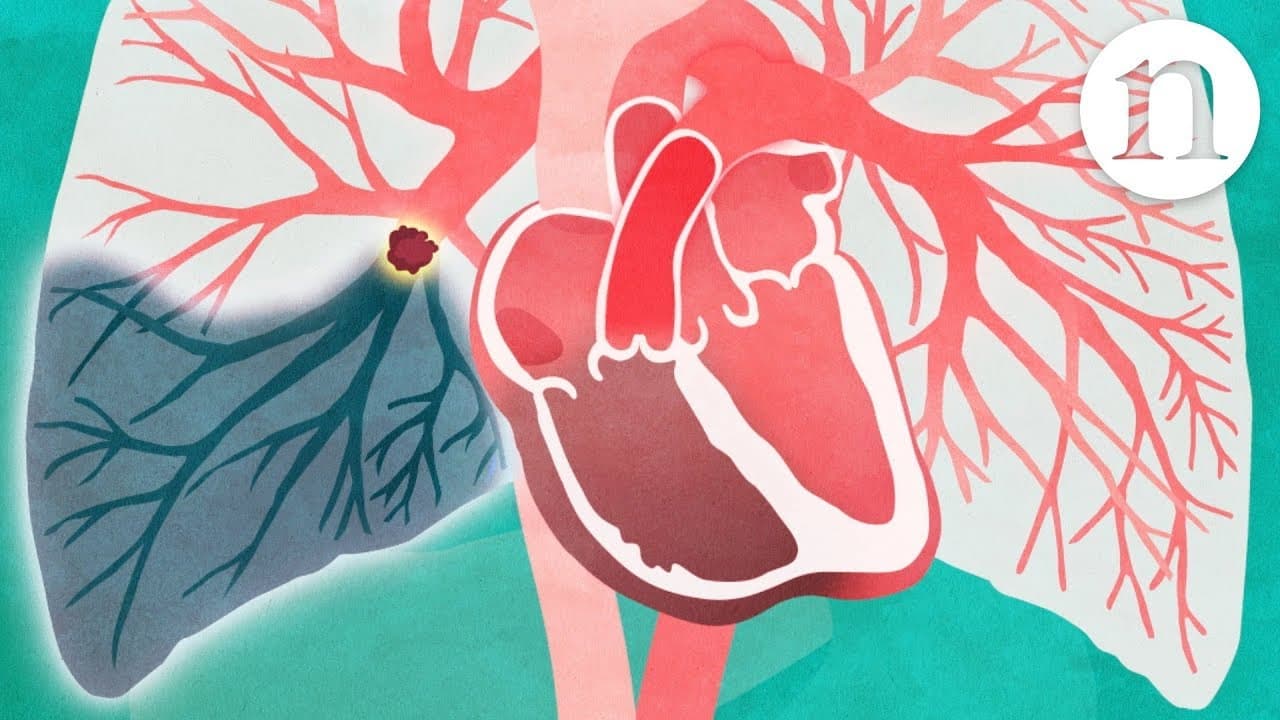
A pulmonary embolism is a blood clot in the veins of the lung. It is one of the most dangerous types of venous thromboembolism, which is the general term for when blood clots form in veins. Pulmonary embolism occurs when a small blood clot or embolus breaks off from a larger clot or thrombus and travels to the lung, where it can cause a potentially... Read More
Key Insights
- 😣 Pulmonary embolism represents a severe form of venous thromboembolism and can be life-threatening.
- ❓ Symptoms can be acute, and rapid assessment and treatment are critical to improving survival chances.
- 🧑⚕️ Risk factors for pulmonary embolism include lifestyle choices, underlying health conditions, and specific traumatic injuries.
- ☠️ Despite treatment advancements, mortality rates for pulmonary embolism remain concerning, emphasizing the need for ongoing research.
- ✋ Identifying idiopathic thromboembolism cases is important, as they present a higher risk for recurrence.
- 🎴 The right ventricle's physiology plays a crucial role in managing blood flow during a pulmonary embolism.
- 🧑⚕️ The risk of developing post pulmonary embolism syndrome highlights the long-term impact of this condition on patients' health.
Install to Summarize YouTube Videos and Get Transcripts
Explore YouTube Video Summarizer or Get YouTube Transcript Extractor
Questions & Answers
Q: What is a pulmonary embolism and how does it occur?
A pulmonary embolism is a blockage in the lung's blood vessels caused by a blood clot that has traveled from another part of the body. Typically, it starts from a larger clot in the veins, which can break loose and enter the pulmonary circulation, risking serious health complications.
Q: What are common symptoms of a pulmonary embolism?
Symptoms of pulmonary embolism include sharp chest pain, unexpected shortness of breath, rapid heart rate, and in severe cases, coughing up blood. These symptoms arise due to impaired blood flow in the lungs, eventually affecting the heart and could lead to hypoxia or shock.
Q: Who is at higher risk for developing a pulmonary embolism?
Those at higher risk include older adults, patients undergoing major surgeries, individuals with recent trauma or immobilization, and people with certain medical conditions such as genetic clotting disorders and chronic respiratory diseases like COPD.
Q: What treatments are available for pulmonary embolism?
Treatments vary and include medications like anticoagulants, which help prevent clot growth and new clot formation. In more severe cases, medical procedures such as reperfusion therapy can be performed to restore blood flow to the affected pulmonary arteries.
Q: What is ‘post pulmonary embolism syndrome’?
Post pulmonary embolism syndrome refers to a chronic condition that some survivors experience, characterized by symptoms like exercise intolerance and persistent shortness of breath, ultimately impacting their quality of life due to lingering complications from the initial episode.
Q: How does pulmonary embolism affect the heart?
Pulmonary embolism increases pressure in the pulmonary arteries, leading to a higher workload on the right ventricle of the heart. Over time, if the right ventricle cannot manage this increased pressure, it may eventually fail, disrupting blood flow to vital organs.
Summary & Key Takeaways
-
Pulmonary embolism occurs when a blood clot travels to the lung, causing dangerous blockages that can disrupt blood flow and lead to death.
-
Symptoms include chest pain, shortness of breath, heart palpitations, and in severe cases, signs of shock, which can stress both the lungs and the heart.
-
Treatment options range from anticoagulant medications to procedures that restore blood flow; however, recurrence and complications like post pulmonary embolism syndrome remain significant challenges for affected individuals.
Read in Other Languages (beta)
Share This Summary 📚
Summarize YouTube Videos and Get Video Transcripts with 1-Click
Try YouTube Summary with ChatGPT & Claude or YouTube Transcript Generator
Explore More Summaries from nature video 📚




Summarize YouTube Videos and Get Video Transcripts with 1-Click
Try YouTube Summary with ChatGPT & Claude or YouTube Transcript Generator