How to Lose Weight with Strength Training
TL;DR
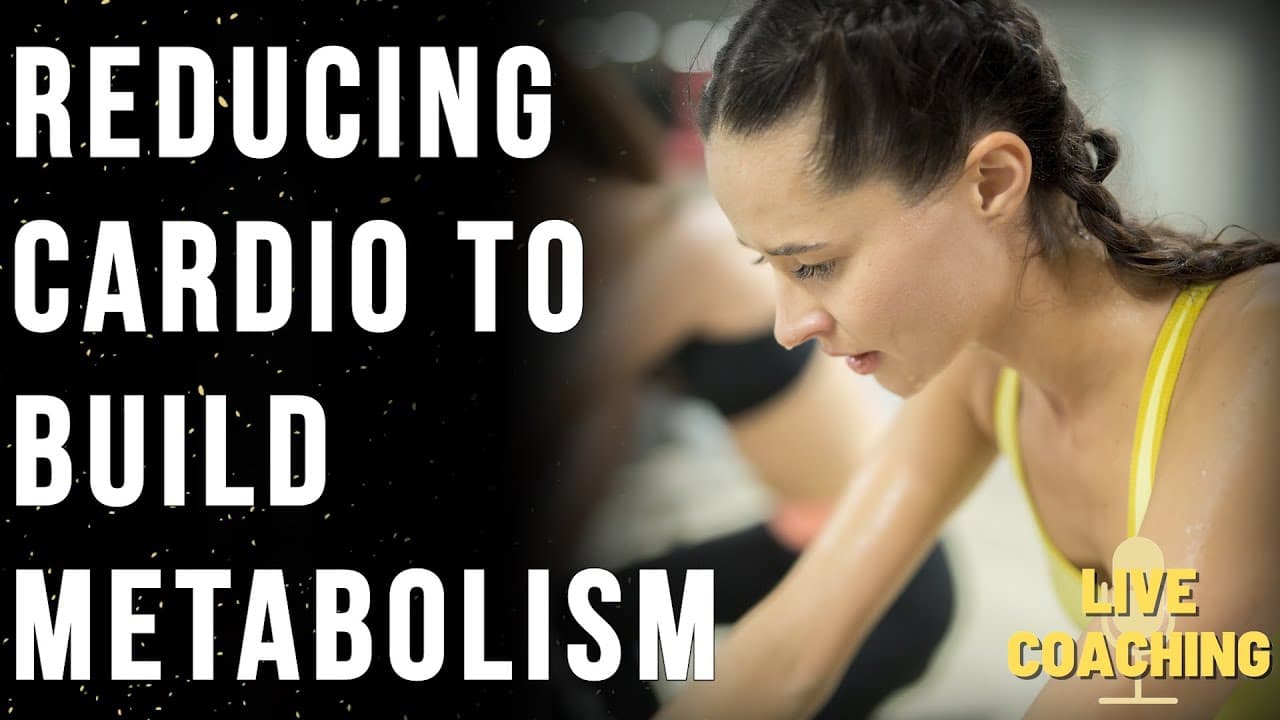
To effectively lose weight through strength training without relying on cardio, focus on increasing your caloric intake gradually while reducing cardio activities. Aim to boost your metabolism by adding volume to your resistance training and maintaining a protein-rich diet. This approach will enable sustainable weight loss and muscle building.
Transcript
our next caller is ruth from washington hey what's up ruth how can we help you hi there guys really happy to be here thanks so much for taking my email um so i originally wrote my email because i have about 20 pounds left to lose and i really want to do it through weightlifting alone but i just can't seem to find the right mix so a little bit of ba... Read More
Key Insights
- Strength training alone can be effective for weight loss if combined with a proper diet and increased caloric intake.
- Reducing cardio can be beneficial for those who prefer weightlifting and want to focus on muscle building.
- Increasing caloric intake gradually helps in boosting metabolism, which aids in sustainable weight loss.
- Adding volume to resistance training can compensate for the calorie burn lost from reducing cardio.
- Tracking protein intake and focusing on whole, natural foods can support weight loss without the need to track every calorie.
- Intermittent calorie deficits during bulking phases can help prevent unwanted fat gain.
- Reaching a higher caloric maintenance level allows for easier weight management without excessive cardio.
- Patience and gradual adjustments are key to successfully transitioning from a cardio-focused routine to strength training.
Install to Summarize YouTube Videos and Get Transcripts
Explore YouTube Video Summarizer or Get YouTube Transcript Extractor
Questions & Answers
Q: How to lose weight with strength training?
To lose weight through strength training, focus on gradually increasing your caloric intake to boost metabolism. Reduce cardio activities and add more volume to your resistance training sessions. Prioritize a protein-rich diet and avoid processed foods to support muscle growth and sustainable weight loss.
Q: What is the role of metabolism in weight loss?
Metabolism plays a crucial role in weight loss as it determines how many calories your body burns at rest. By increasing your caloric intake gradually, you can boost your metabolism, allowing your body to burn more calories and support weight loss even without extensive cardio.
Q: Why reduce cardio for weight loss?
Reducing cardio can be beneficial for those who prefer weightlifting and wish to focus on muscle building. It allows for a shift in focus towards strength training, which can enhance metabolism and support sustainable weight loss without the need for excessive cardio.
Q: How does adding volume to resistance training help?
Adding volume to resistance training increases the overall calorie burn during workouts, compensating for the reduced calorie expenditure from cutting cardio. This approach supports muscle growth and helps maintain a calorie deficit necessary for weight loss.
Q: What is the importance of protein intake in weight loss?
Protein intake is crucial in weight loss as it supports muscle growth and repair, which is essential when focusing on strength training. A protein-rich diet helps maintain muscle mass during weight loss, ensuring that the weight lost is primarily fat rather than muscle.
Q: How can calorie deficits be used effectively?
Calorie deficits can be used effectively by incorporating them intermittently during bulking phases to prevent unwanted fat gain. By running a calorie deficit for a week every few weeks, you can manage fat levels while still focusing on muscle growth and increasing caloric intake gradually.
Q: What is a sustainable caloric maintenance level?
A sustainable caloric maintenance level is the number of calories you can consume daily without gaining or losing weight. Achieving a higher maintenance level allows for easier weight management, as it provides flexibility to reduce calories slightly for weight loss without the need for excessive cardio.
Q: Why is patience important in transitioning to strength training?
Patience is crucial in transitioning to strength training as it takes time for the body to adjust to new routines and dietary changes. Gradual adjustments in caloric intake and workout volume are necessary to boost metabolism and support sustainable weight loss without relying on cardio.
Summary & Key Takeaways
-
To lose weight effectively with strength training, gradually increase your caloric intake while reducing cardio. Focus on protein-rich foods and avoid processed items. Adding volume to resistance training will help burn calories without relying on cardio.
-
A sustainable weight loss strategy includes boosting metabolism by slowly increasing caloric intake and cutting cardio. Incorporating more volume in strength training sessions can maintain calorie burn and support muscle growth.
-
Achieving a higher caloric maintenance level through strength training allows for easier weight management. Combining intermittent calorie deficits with a focus on protein intake helps prevent fat gain during bulking phases.
Read in Other Languages (beta)
Share This Summary 📚
Summarize YouTube Videos and Get Video Transcripts with 1-Click
Try YouTube Summary with ChatGPT & Claude or YouTube Transcript Generator
Explore More Summaries from Mind Pump Show 📚

Summarize YouTube Videos and Get Video Transcripts with 1-Click
Try YouTube Summary with ChatGPT & Claude or YouTube Transcript Generator