What Are the Hidden Signs of an Unhealthy Heart?
TL;DR
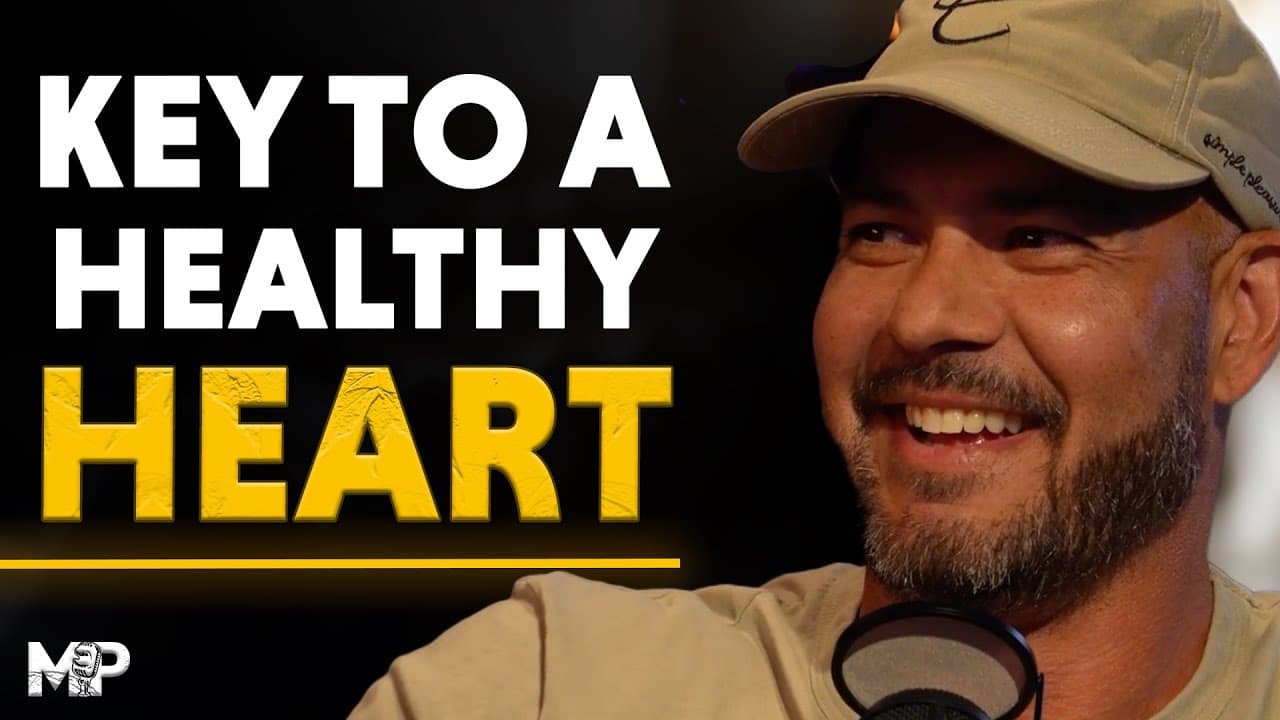
Poor sleep, random anxiety, fatigue after small efforts, shortness of breath, and cold hands and feet can be subtle indicators of an unhealthy heart. Improving heart health involves dietary changes, like increasing protein and fiber intake, and lifestyle adjustments, such as regular exercise and avoiding smoking. Monitoring these signs and making these changes can significantly impact heart health.
Transcript
66% of heart deaths happen without any obvious signs. In fact, there's five weird signs that are red flags that may be telling you that your heart is unhealthy. We're going to get into them and then we're going to get into what you can do to improve the health of your heart. This is scary fit. This is this is you talking to yourself right here. You... Read More
Key Insights
- 66% of heart deaths occur without obvious signs, highlighting the importance of recognizing subtle symptoms.
- Poor sleep can be a red flag for heart health, especially if it's sudden and unexplained.
- Random anxiety, when combined with other symptoms, can indicate heart issues.
- Fatigue after small efforts, like climbing stairs, is a significant warning sign of heart problems.
- Cold hands and feet may point to circulatory issues related to heart health.
- A high-protein diet can improve insulin sensitivity, which is linked to better heart health.
- Avoiding processed foods can significantly reduce obesity and related heart issues.
- Regular exercise, including strength training and sauna use, can improve heart health and reduce mortality.
Install to Summarize YouTube Videos and Get Transcripts
Explore YouTube Video Summarizer or Get YouTube Transcript Extractor
Questions & Answers
Q: How can poor sleep indicate heart problems?
Poor sleep, especially when sudden and unexplained, can be a sign of heart issues. It may result from circulatory or hormonal imbalances often linked to heart health. While poor sleep alone doesn't confirm heart problems, when paired with other symptoms like fatigue or anxiety, it warrants further investigation.
Q: What role does diet play in heart health?
Diet significantly impacts heart health. A diet high in protein improves insulin sensitivity, crucial for heart health. Avoiding processed foods helps maintain a healthy weight, reducing heart disease risk. Fiber intake is also vital, as it supports heart health by promoting satiety and regulating blood sugar levels.
Q: Why is regular exercise important for heart health?
Regular exercise strengthens the heart and improves circulation, reducing the risk of heart disease. Activities like strength training and sauna use enhance blood flow and endurance, significantly lowering heart-related mortality. Consistent movement, such as walking 8,000 steps a day, provides substantial heart health benefits.
Q: How does avoiding smoking benefit heart health?
Smoking is a leading cause of heart disease. It damages blood vessels, leading to atherosclerosis and increased heart attack risk. Quitting smoking improves circulation, lowers blood pressure, and reduces heart disease risk, making it one of the most impactful lifestyle changes for heart health.
Q: What are the benefits of increasing protein intake for heart health?
Increasing protein intake improves insulin sensitivity and helps regulate blood sugar levels, both crucial for heart health. A high-protein diet can also aid in weight management by enhancing satiety, reducing the risk of obesity-related heart issues. These benefits make protein an essential component of a heart-healthy diet.
Q: How can random anxiety be linked to heart problems?
Random anxiety can be a symptom of heart issues, often related to hormonal imbalances or circulatory problems. When experienced with other signs like poor sleep or fatigue, it may indicate underlying heart health concerns. Monitoring anxiety alongside other symptoms is important for early detection and intervention.
Q: What is the significance of cold hands and feet in heart health?
Cold hands and feet can indicate circulatory issues, often linked to heart health. Poor circulation may result from heart problems, affecting blood flow to extremities. While not definitive on its own, when combined with other symptoms like fatigue or shortness of breath, it suggests a need for further heart health evaluation.
Q: Why is fatigue after small efforts a warning sign for heart health?
Fatigue after small efforts, such as climbing stairs, can signal heart problems. It indicates the heart's inability to efficiently pump blood, leading to reduced oxygen supply to muscles. This symptom, especially if sudden and persistent, warrants medical attention to assess potential heart health issues.
Summary & Key Takeaways
-
Poor sleep, random anxiety, and fatigue after small efforts are subtle signs of potential heart issues. Recognizing these can prompt early intervention.
-
Dietary changes, such as increasing protein and fiber intake, play a crucial role in maintaining heart health by improving insulin sensitivity and reducing obesity.
-
Lifestyle modifications, including regular exercise and avoiding smoking, are essential for enhancing heart health and reducing the risk of heart-related mortality.
Read in Other Languages (beta)
Share This Summary 📚
Summarize YouTube Videos and Get Video Transcripts with 1-Click
Try YouTube Summary with ChatGPT & Claude or YouTube Transcript Generator
Explore More Summaries from Mind Pump Show 📚




Summarize YouTube Videos and Get Video Transcripts with 1-Click
Try YouTube Summary with ChatGPT & Claude or YouTube Transcript Generator