What is Storm Surge?
TL;DR
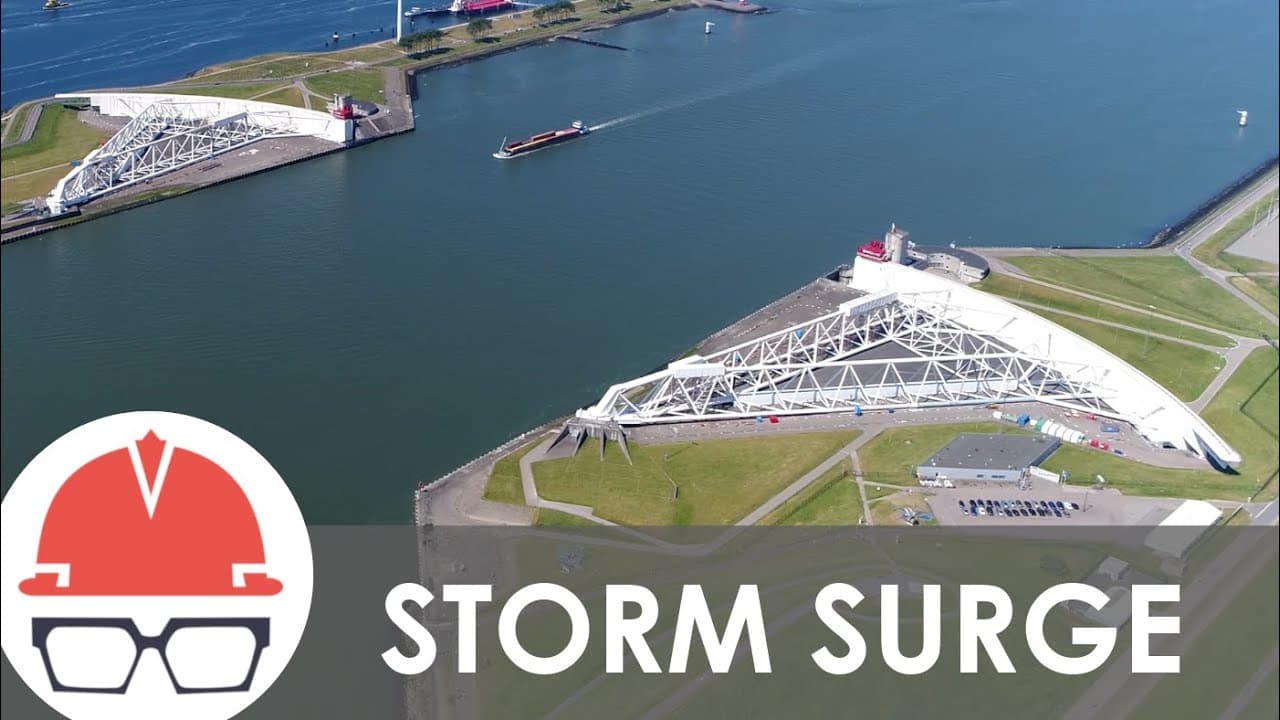
Storm surge, caused by the wind from tropical cyclones, is a major cause of coastal flooding and can be devastating, making it crucial to develop effective methods for protection.
Transcript
Most of the world’s biggest cities and about half of the global population live within 100 kilometers (60 miles) from the ocean. That’s pretty important, especially given the huge amount of land that isn’t near a coastline. We humans just tend toward the ocean - it’s got food, it’s got ships, it’s got beaches and waves. It’s got unimagina... Read More
Key Insights
- 🌊 Most of the world's biggest cities and about half of the global population live near the ocean, which makes coastal areas vulnerable to flooding and storm surge.
- 🌀 Hurricanes and typhoons, fueled by warm tropical waters, are some of the most devastating natural phenomena, causing catastrophic damage with their high winds, heavy rainfall, and storm surge.
- 🌪 Storm surge is an increase in sea level caused by the wind pushing water toward the shore, resulting in flooding and damage to coastal areas.
- 📐 Predicting storm surge height is complicated due to various factors such as wind speed, storm dynamics, coastal geography, and tidal patterns.
- ⛈ National Weather Service uses a numerical model called SLOSH to approximate potential storm surge height, assisting emergency managers in coordinating evacuations and planning for flood management.
- 🌉 Coastal areas are highly vulnerable to storm surge due to their economic activity, infrastructure, and dense population, making it crucial to develop detection and monitoring systems for real-time data and better prediction models.
- 🏗 Strategies to manage storm surge include building structures and infrastructure at higher elevations, using resilient building materials, and implementing barrier systems such as levees and dams.
- 🌍 Climate change poses additional risks with the potential for increased intensity of tropical cyclones and rising sea levels, highlighting the need for innovative solutions and resiliency in coastal areas.
Install to Summarize YouTube Videos and Get Transcripts
Explore YouTube Video Summarizer or Get YouTube Transcript Extractor
Questions & Answers
Q: How does storm surge differ from other types of flooding?
Storm surge is different from riverine flooding caused by intense rainfall. It is primarily caused by the wind from tropical cyclones, which pushes the ocean water inland and creates a rise in sea level along the coast.
Q: What factors contribute to the height of storm surge during a tropical cyclone?
The height of storm surge depends on various factors, including the wind speed and direction, the speed and path of the storm, the air pressure, and the shape of the coastal terrain.
Q: How is storm surge predicted and monitored?
The National Weather Service uses a numerical model called SLOSH (Sea, Lake, and Overland Surge from Hurricanes) to predict the potential storm surge for different hurricanes. Real-time sensors are also used to track sea levels and provide data for monitoring and emergency decision-making.
Q: What are some strategies for managing coastal flooding caused by storm surge?
Strategies include building infrastructure at higher elevations, using elevated foundations and resilient building designs, and implementing barrier systems like dams and levees to protect coastlines from rising sea levels and storm surge.
Q: How vulnerable are coastal areas to storm surge?
Coastal areas are highly vulnerable to storm surge due to the concentration of economic activities, infrastructure, and human settlements along coastlines. In the worst cases, storm surge can raise the ocean's level by up to 8 meters (26 feet), causing significant damage and disrupting urban drainage systems.
Q: How do tropical cyclones and storm surge relate to climate change?
While the frequency of tropical cyclones may stay the same or decrease, their intensity, including wind speeds and rainfall, is expected to increase due to greenhouse warming. Combined with rising sea levels, this poses significant risks to coastal areas and emphasizes the need for protective infrastructure and resilient cities.
Q: How does storm surge impact freshwater flooding during a hurricane?
Storm surge can exacerbate freshwater flooding during a hurricane by reducing the elevation difference between floodwaters and drainage systems. This slows down the drainage of rainwater, leading to further flooding in urban areas. Effective management of storm surge is crucial for minimizing the overall impact of hurricanes.
Summary & Key Takeaways
-
Storm surge, caused by the wind from tropical cyclones, is a significant reason for coastal flooding, resulting in immense damage and loss of life.
-
Predicting storm surge is challenging due to variables such as wind speed, storm movement, landfall location, air pressure, and ocean bathymetry.
-
Ways to manage and mitigate storm surge include real-time monitoring, building infrastructure further up, and implementing barrier systems like dams and levees.
Read in Other Languages (beta)
Share This Summary 📚
Summarize YouTube Videos and Get Video Transcripts with 1-Click
Try YouTube Summary with ChatGPT & Claude or YouTube Transcript Generator
Explore More Summaries from Practical Engineering 📚




Summarize YouTube Videos and Get Video Transcripts with 1-Click
Try YouTube Summary with ChatGPT & Claude or YouTube Transcript Generator