Mitochondrial diseases
TL;DR
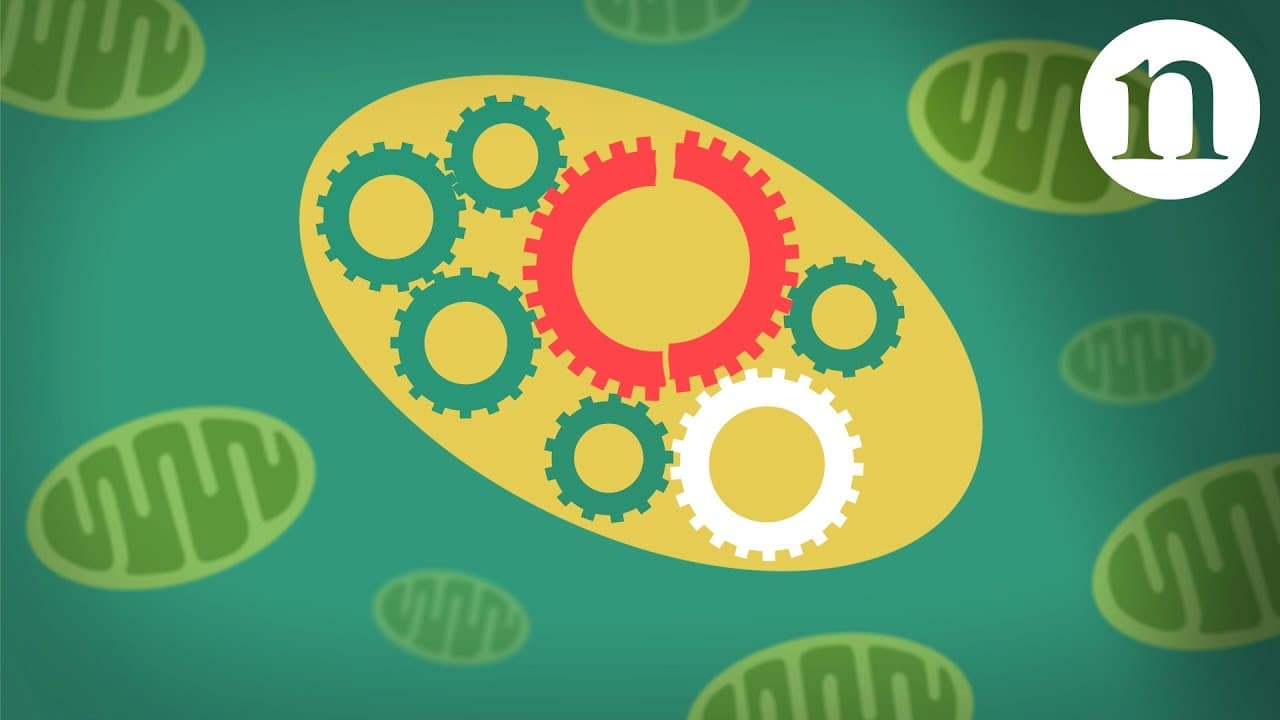
Mitochondrial diseases stem from genetic mutations, affecting energy production and potentially leading to various health issues.
Transcript
mitochondrial diseases cover a wide range of conditions caused by genetic mutations in the UK alone they affect thousands mitochondria are the powerhouses of the cell they use a process called oxidative phosphor relation to generate energy but a mitochondrian is a complex piece of machiner and a lot can go wrong it takes around 1,500 proteins for m... Read More
Key Insights
- 🧑⚕️ Mitochondrial diseases are diverse and can impact any organ or tissue, demonstrating the importance of mitochondrial health across the entire body.
- ❓ The intricate relationship between nuclear and mitochondrial DNA complicates the understanding and treatment of these diseases, given their different inheritance patterns.
- 〽️ Early detection and intervention in mitochondrial diseases can significantly alter disease progression and patient outcomes, emphasizing the importance of genetic screening.
- ❓ Despite the controversy surrounding mitochondrial donation, it represents a potential breakthrough in preventing hereditary mitochondrial diseases.
- 👨🔬 Research continues to evolve, seeking methods to repair or replace defective mitochondrial DNA to offer direct therapeutic strategies against mitochondrial diseases.
- 🥺 Leigh Syndrome serves as a critical example of how mitochondrial dysfunction can lead to severe developmental and health issues in children, pointing to the urgency of effective treatments.
- 👨🔬 The genetic complexity underlying mitochondrial diseases necessitates ongoing research into the many mutations involved, as over 75 identified mutations can cause Leigh Syndrome alone.
Install to Summarize YouTube Videos and Get Transcripts
Explore YouTube Video Summarizer or Get YouTube Transcript Extractor
Questions & Answers
Q: What role do mitochondria play in cellular function?
Mitochondria are known as the powerhouses of the cell, primarily responsible for generating energy through a process called oxidative phosphorylation. This complex process involves numerous proteins that facilitate energy production, essential for the cell's metabolism, growth, and overall function. Without proper mitochondrial function, cells may suffer from energy deficits, leading to aberrations across various bodily systems.
Q: How does mitochondrial inheritance differ from nuclear inheritance?
Mitochondrial inheritance primarily involves the transmission of genes found in mitochondrial DNA, which is inherited exclusively from the mother. In contrast, nuclear DNA is inherited from both parents and comprises the majority of genetic material in cells. This unique inheritance pattern means that diseases caused by mutations in mitochondrial DNA can affect only offspring from the affected mother, while nuclear DNA disorders can be passed from either parent.
Q: What are some symptoms of Leigh Syndrome?
Leigh Syndrome, a prominent mitochondrial disease, typically manifests in early childhood, presenting various symptoms including loss of previously gained skills, significant muscle dysfunction, delays in development, and neurological issues such as epilepsy. The variability in symptoms arises from mutations in multiple genes that impact cellular energy dynamics, affecting different organs and systems within the body.
Q: What is the three-parent baby technique?
The three-parent baby technique is a groundbreaking method that allows a mother with mitochondrial disease to have a child free from the disorder. This involves using an egg from a healthy donor, combining it with the nuclear DNA of the mother and father, while discarding defective mitochondria. This technique is still experimental but has shown promise in potentially eradicating the transmission of mitochondrial diseases to future generations.
Summary & Key Takeaways
-
Mitochondrial diseases are caused by genetic mutations affecting mitochondria, which are essential for energy production in cells. The UK alone sees thousands of cases, illustrating the widespread impact of these conditions.
-
There are multiple types of mitochondrial diseases, including Leigh Syndrome, which appears strongly in childhood and can lead to severe symptoms such as epilepsy and loss of motor skills due to mutations in various genes.
-
Innovative treatments are emerging, such as mitochondrial donation technique, which involves combining genetic material from affected mothers with healthy mitochondrial DNA from donors, allowing potential prevention of disease transmission.
Read in Other Languages (beta)
Share This Summary 📚
Summarize YouTube Videos and Get Video Transcripts with 1-Click
Try YouTube Summary with ChatGPT & Claude or YouTube Transcript Generator
Explore More Summaries from nature video 📚


Summarize YouTube Videos and Get Video Transcripts with 1-Click
Try YouTube Summary with ChatGPT & Claude or YouTube Transcript Generator