How to Start Weight Lifting After Injury
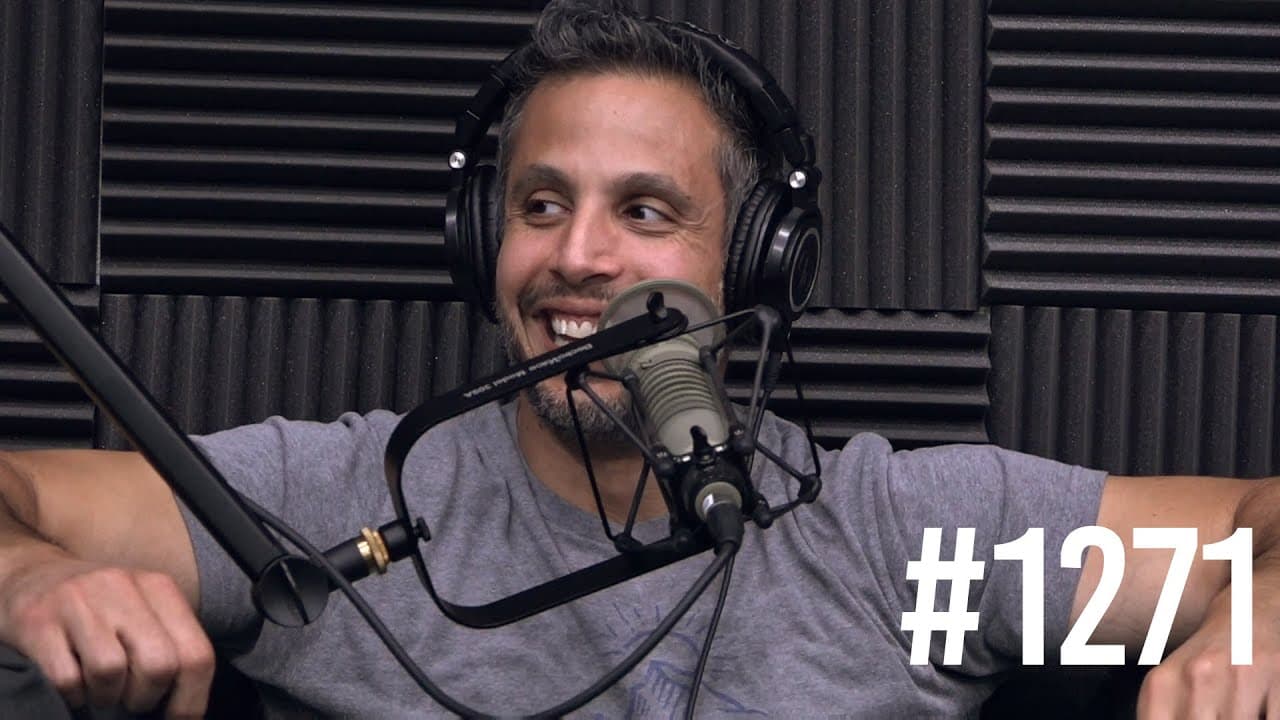
TL;DR
To safely resume weight lifting after an injury, prioritize mobility work and start slowly, focusing on correctional exercises. Resistance training is the most effective method for rehabilitation, as it allows for precise control over movement and can be adapted to individual needs. Consistent attention to form and technique will help prevent future injuries and improve overall strength.
Transcript
episode of mind pump your favorite fitness and health podcast we know it's your favorite in the world so we answered questions asked by listeners like you but the way we open the episode is by mentioning current events having fun conversation with each other sometimes we talk about our sponsors here's what went down in today's episode of mind pump ... Read More
Key Insights
- Resistance training is the best method for rehabilitation after an injury due to its adaptability.
- Start slowly and prioritize mobility work when returning to weight lifting post-injury.
- Focus on correctional exercises to address any imbalances or weaknesses caused by the injury.
- Attention to form and technique is crucial to prevent future injuries and improve strength.
- Unilateral exercises can help correct imbalances and ensure symmetry in movement.
- Mobility work can lead to breaking through strength plateaus by addressing weak links.
- Dysbiosis in the microbiome can impact mood due to its role in producing serotonin.
- Social connections and community interactions are vital for mental health and should not be taken for granted.
Install to Summarize YouTube Videos and Get Transcripts
Explore YouTube Video Summarizer or Get YouTube Transcript Extractor
Questions & Answers
Q: How to start weight lifting after an injury?
Begin with light resistance and focus on mobility and correctional exercises targeting the injured area. Prioritize form and technique to prevent further injury. Gradually increase intensity as strength and stability improve, ensuring both sides of the body are equally developed to avoid imbalances.
Q: What exercises help fix hip shift during squats?
Unilateral exercises, such as lunges or split squats, help correct hip shift by ensuring both sides of the body develop evenly. Focus on mirroring movements on both sides and maintaining proper form. Additionally, strengthen the core and improve hip mobility to support balanced squatting.
Q: Can microbiome imbalance cause anxiety and depression?
Yes, an imbalance in the microbiome can contribute to anxiety and depression. The gut produces significant amounts of serotonin, a key mood-regulating neurotransmitter. Dysbiosis can affect serotonin levels and increase systemic inflammation, both of which are linked to mood disorders.
Q: How can I maintain social connections during the pandemic?
Utilize technology to stay connected with family and friends through video calls, social media, and messaging apps. Schedule regular virtual gatherings or activities to maintain a sense of community. Engaging in shared online activities, such as games or group workouts, can also enhance social bonds.
Q: What are the benefits of mobility work in fitness?
Mobility work enhances joint range of motion, improves movement efficiency, and reduces injury risk. It addresses muscle imbalances and tightness, leading to better performance in strength training. Regular mobility exercises can help break through plateaus by strengthening weak links in the kinetic chain.
Q: Why is resistance training effective for rehabilitation?
Resistance training allows precise control over movement, making it adaptable to individual needs and injury specifics. It strengthens muscles, improves joint stability, and enhances overall function. By targeting specific areas, it helps correct imbalances and supports recovery from injuries.
Q: How does the microbiome affect mental health?
The microbiome influences mental health by producing neurotransmitters like serotonin, which regulate mood. An imbalance can lead to reduced serotonin production and increased inflammation, both associated with anxiety and depression. A healthy microbiome supports overall well-being and mental health.
Q: What lifestyle changes can improve gut health?
Improving gut health involves a balanced diet rich in fiber, fermented foods, and probiotics. Reducing processed foods, sugar, and alcohol intake can also help. Regular physical activity, stress management, and adequate sleep contribute to a healthy microbiome, supporting overall health and mood.
Summary & Key Takeaways
-
Resistance training is the most effective rehabilitation method post-injury, allowing for controlled and adaptable exercises. Start with light weights and focus on mobility and correctional exercises to address any imbalances. Attention to form and technique is crucial for preventing future injuries.
-
Unilateral exercises help correct movement asymmetries, ensuring balanced strength development. Mobility work can enhance performance by addressing weak links in the kinetic chain, potentially breaking through strength plateaus.
-
The microbiome plays a crucial role in mood regulation, with imbalances potentially leading to anxiety and depression. Social interactions and a sense of community are essential for mental health, a realization many have come to appreciate during the pandemic.
Read in Other Languages (beta)
Share This Summary 📚
Summarize YouTube Videos and Get Video Transcripts with 1-Click
Try YouTube Summary with ChatGPT & Claude or YouTube Transcript Generator
Explore More Summaries from Mind Pump Show 📚


Summarize YouTube Videos and Get Video Transcripts with 1-Click
Try YouTube Summary with ChatGPT & Claude or YouTube Transcript Generator