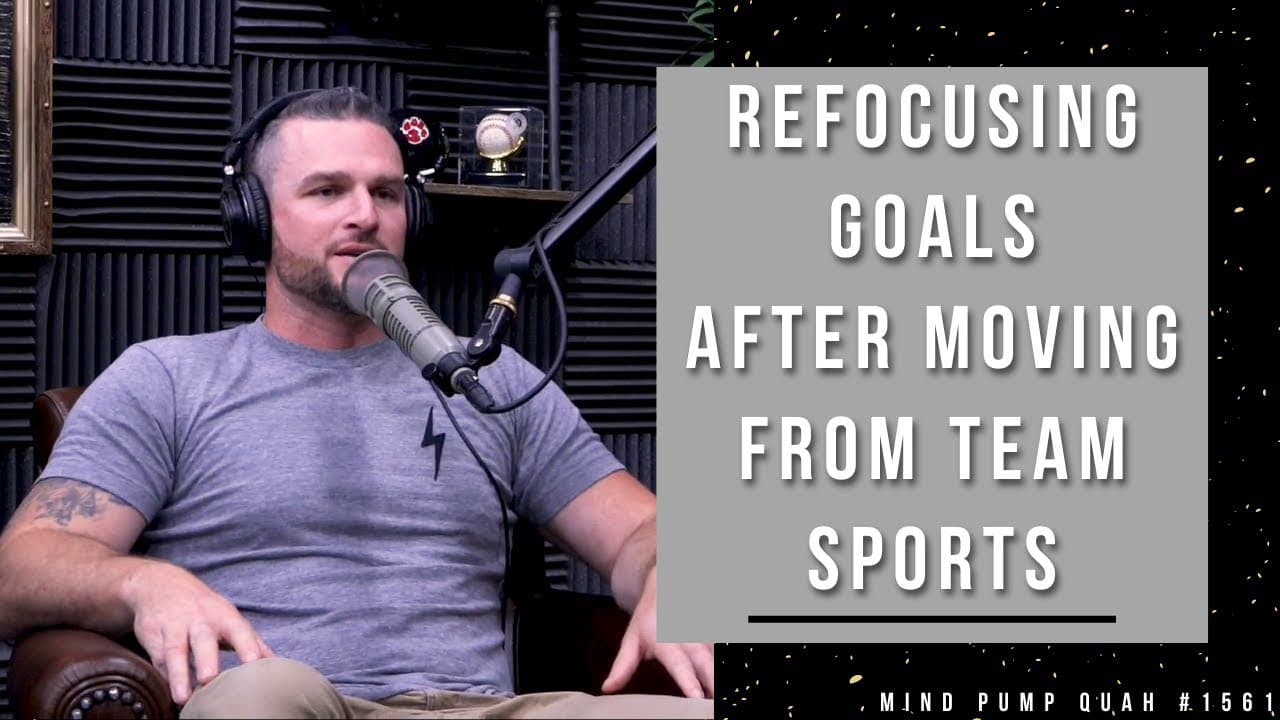
How to Refocus Fitness Goals After Team Sports
TL;DR
Transitioning from team sports to personal fitness requires a shift in mindset. Athletes must focus on long-term health rather than competition. It involves adopting structured strength training with rest periods and redefining goals to enjoy exercise for its own sake. Emphasizing mobility and dietary adjustments are crucial for sustainable health improvements.
Transcript
next question is from lucy brown94 any advice for refocusing your goals after moving away from team sports oh good old team sport you know clients who did this who were athletes and then they would come like maybe like 10 years ago and then they would hire a trainer they were really hard to try always hard to train very hard to train you still have... Read More
Key Insights
- Athletes often struggle to redefine fitness goals after leaving team sports.
- The competitive mindset in sports doesn't always align with personal fitness goals.
- Structured strength training with rest periods can benefit former athletes.
- Athletes must learn to enjoy exercise without a competitive goal.
- Dietary habits formed during athletic careers may need adjustment for long-term health.
- Mobility exercises can improve long-term joint health and overall well-being.
- Former athletes should focus on consistency and sustainability in their fitness routines.
- Reframing goals from competition to personal health is essential for lasting fitness success.
Install to Summarize YouTube Videos and Get Transcripts
Explore YouTube Video Summarizer or Get YouTube Transcript Extractor
Questions & Answers
Q: How to transition from team sports to personal fitness?
Transitioning from team sports to personal fitness requires a shift in mindset from competition to long-term health. Athletes should focus on structured strength training with adequate rest periods, emphasizing mobility exercises, and redefining goals to enjoy exercise for its own sake. Adjusting dietary habits is also crucial for sustainable health improvements.
Q: Why is the competitive mindset a challenge in personal fitness?
The competitive mindset that benefits athletes in sports can hinder personal fitness goals because it emphasizes short-term achievements over long-term health. Athletes need to learn to enjoy exercise without a competitive goal, focusing instead on consistency, sustainability, and personal health improvements.
Q: What role does mobility play in fitness after sports?
Mobility exercises are crucial for improving long-term joint health and overall well-being. For former athletes, focusing on mobility can help maintain flexibility and prevent injuries, allowing them to enjoy physical activities and improve their quality of life outside of competitive sports.
Q: How can former athletes adjust their dietary habits?
Former athletes need to reassess their dietary habits, as the large portions and high caloric intake suited for intense training may not align with their new fitness goals. Learning appropriate portion sizes and focusing on balanced nutrition can help maintain a healthy weight and support overall well-being.
Q: What is the importance of rest in strength training for athletes?
Structured strength training with adequate rest periods is vital for former athletes as it allows muscles to recover and grow. Unlike the constant high-intensity workouts in sports, incorporating rest helps prevent overtraining and supports long-term health and fitness goals.
Q: How can athletes redefine their fitness goals?
Athletes can redefine their fitness goals by shifting focus from competition to personal health and well-being. This involves setting achievable, sustainable goals, such as improving mobility, maintaining a balanced diet, and enjoying exercise for its therapeutic benefits rather than competitive outcomes.
Q: Why is consistency important in fitness routines for former athletes?
Consistency is crucial for former athletes as it ensures steady progress towards personal health goals. By maintaining a regular fitness routine, athletes can build sustainable habits that support long-term health, prevent injuries, and improve overall well-being without the pressure of competitive sports.
Q: What challenges do athletes face when leaving team sports?
Athletes face challenges such as redefining their identity, adjusting their mindset from competition to personal health, and adopting new fitness routines. They may also need to reassess dietary habits and focus on consistency and sustainability in their fitness journey to achieve long-term health benefits.
Summary & Key Takeaways
-
Athletes transitioning from team sports to personal fitness need to shift their mindset from competition to long-term health. This involves structured strength training with adequate rest, focusing on mobility, and redefining goals to enjoy exercise for its own sake. Adjusting dietary habits is also crucial for sustainable health improvements.
-
The competitive mindset that benefits athletes in sports can hinder personal fitness goals. Former athletes should focus on consistency and sustainability, reframing their goals from competition to personal health. Mobility exercises and dietary adjustments are essential for long-term joint health and overall well-being.
-
Former athletes often struggle with redefining fitness goals after leaving team sports. Structured strength training with rest periods, mobility exercises, and dietary adjustments are crucial for sustainable health improvements. Reframing goals from competition to personal health is essential for lasting fitness success.
Read in Other Languages (beta)
Share This Summary 📚
Summarize YouTube Videos and Get Video Transcripts with 1-Click
Try YouTube Summary with ChatGPT & Claude or YouTube Transcript Generator
Explore More Summaries from Mind Pump Show 📚

Summarize YouTube Videos and Get Video Transcripts with 1-Click
Try YouTube Summary with ChatGPT & Claude or YouTube Transcript Generator