What Are Perimenopause Symptoms and How to Manage Them?
TL;DR
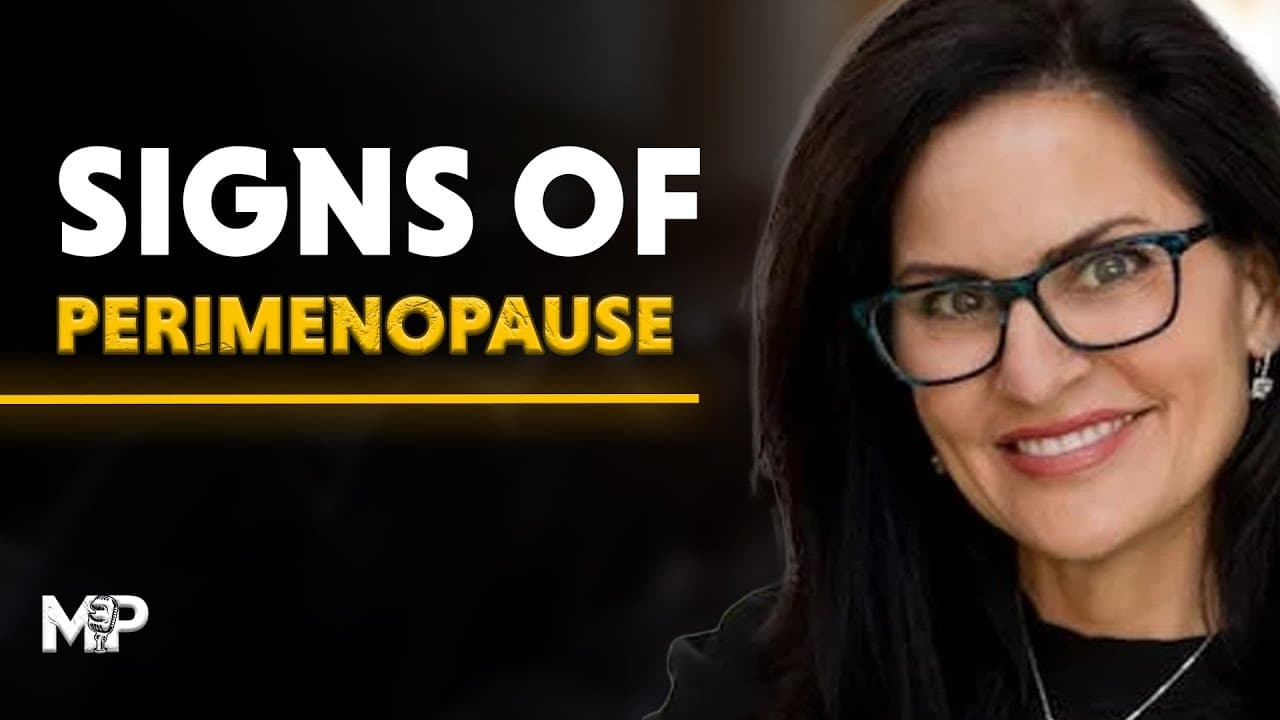
Perimenopause can cause unexpected symptoms like joint pain, weight gain, and sleep issues due to hormonal fluctuations. Understanding these changes is crucial for effective management. Hormone therapy and lifestyle adjustments, such as strength training and a balanced diet, can significantly improve quality of life during this transition.
Transcript
Dr. Mary Cla, thanks for coming on the show. Thanks for having me. Yeah. Uh, you came heavily recommended by one of our friends. She said you did such a great job on her podcast and so many people write in and say they just learned so much from you. So, it's like we had to have you on our show. So, thanks for coming on. Thanks. These are my favorit... Read More
Key Insights
- Perimenopause is marked by hormonal fluctuations leading to symptoms like joint pain, weight gain, and sleep disturbances.
- Menopause is defined as one year after a woman's last menstrual period, with perimenopause occurring several years prior.
- Hormone therapy can alleviate many perimenopause symptoms, but requires careful management and individualization.
- Non-hormonal interventions such as strength training and adequate protein intake can combat muscle loss and improve health.
- Genetics and lifestyle play significant roles in the onset and severity of perimenopause symptoms.
- Women often face misdiagnosis or inadequate treatment due to a lack of menopause training among healthcare providers.
- Alcohol can exacerbate perimenopause symptoms, while THC may offer some relief for sleep and relaxation.
- Education and awareness about perimenopause can empower women to seek appropriate treatment and improve their quality of life.
Install to Summarize YouTube Videos and Get Transcripts
Explore YouTube Video Summarizer or Get YouTube Transcript Extractor
Questions & Answers
Q: What are common symptoms of perimenopause?
Common symptoms of perimenopause include joint pain, weight gain, sleep disturbances, hot flashes, night sweats, and changes in menstrual cycles. These symptoms arise due to hormonal fluctuations and can vary widely among women.
Q: How is perimenopause diagnosed?
Perimenopause is primarily diagnosed based on symptoms, as there is no definitive blood test for it. Healthcare providers may conduct blood tests to rule out other conditions and confirm hormonal changes, but listening to the patient's symptoms is key.
Q: What role does hormone therapy play in managing perimenopause?
Hormone therapy can significantly alleviate perimenopause symptoms by stabilizing hormonal levels. It requires careful management and individualization to ensure safety and effectiveness, considering factors like age, symptoms, and personal health history.
Q: How can lifestyle changes help manage perimenopause symptoms?
Lifestyle changes such as engaging in regular strength training and maintaining a balanced diet rich in protein and healthy fats can help manage perimenopause symptoms. These changes combat muscle loss, improve overall health, and enhance quality of life.
Q: What is the impact of alcohol on perimenopause symptoms?
Alcohol can worsen perimenopause symptoms by disrupting sleep and exacerbating hormonal imbalances. Many women find they tolerate alcohol less well during perimenopause, leading to increased wakefulness and other negative effects.
Q: How does birth control affect perimenopause symptoms?
Birth control can mask some perimenopause symptoms by regulating hormone levels and suppressing ovulation. However, it does not stop the underlying hormonal changes occurring in the ovaries, which can continue to cause symptoms in the background.
Q: What are the challenges in finding menopause-trained healthcare providers?
Many healthcare providers lack specific training in menopause, leading to misdiagnosis and inadequate treatment of perimenopause symptoms. Women are encouraged to seek out menopause-certified providers or those with experience in managing menopause.
Q: Why is education about perimenopause important for women?
Education about perimenopause empowers women to understand and manage their symptoms effectively. It helps them seek appropriate treatment, avoid misdiagnosis, and make informed decisions about lifestyle changes and medical interventions.
Summary & Key Takeaways
-
Perimenopause can bring about a range of symptoms due to hormonal changes, including joint pain, weight gain, and sleep disturbances. Hormone therapy and lifestyle changes, such as strength training and a balanced diet, can help manage these symptoms effectively.
-
Understanding perimenopause is crucial as it can begin in the mid-30s and last several years before menopause. Non-hormonal interventions like strength training are beneficial for maintaining muscle mass and overall health.
-
Education and awareness are key to managing perimenopause effectively. Healthcare providers often lack training in menopause, leading to misdiagnosis. Women should seek knowledgeable providers and consider both hormonal and non-hormonal treatment options.
Read in Other Languages (beta)
Share This Summary 📚
Summarize YouTube Videos and Get Video Transcripts with 1-Click
Try YouTube Summary with ChatGPT & Claude or YouTube Transcript Generator
Explore More Summaries from Mind Pump Show 📚




Summarize YouTube Videos and Get Video Transcripts with 1-Click
Try YouTube Summary with ChatGPT & Claude or YouTube Transcript Generator