The Hidden Engineering of Wildlife Crossings
TL;DR
Wildlife crossings mitigate road impacts on animals, ensuring safety and ecological balance.
Transcript
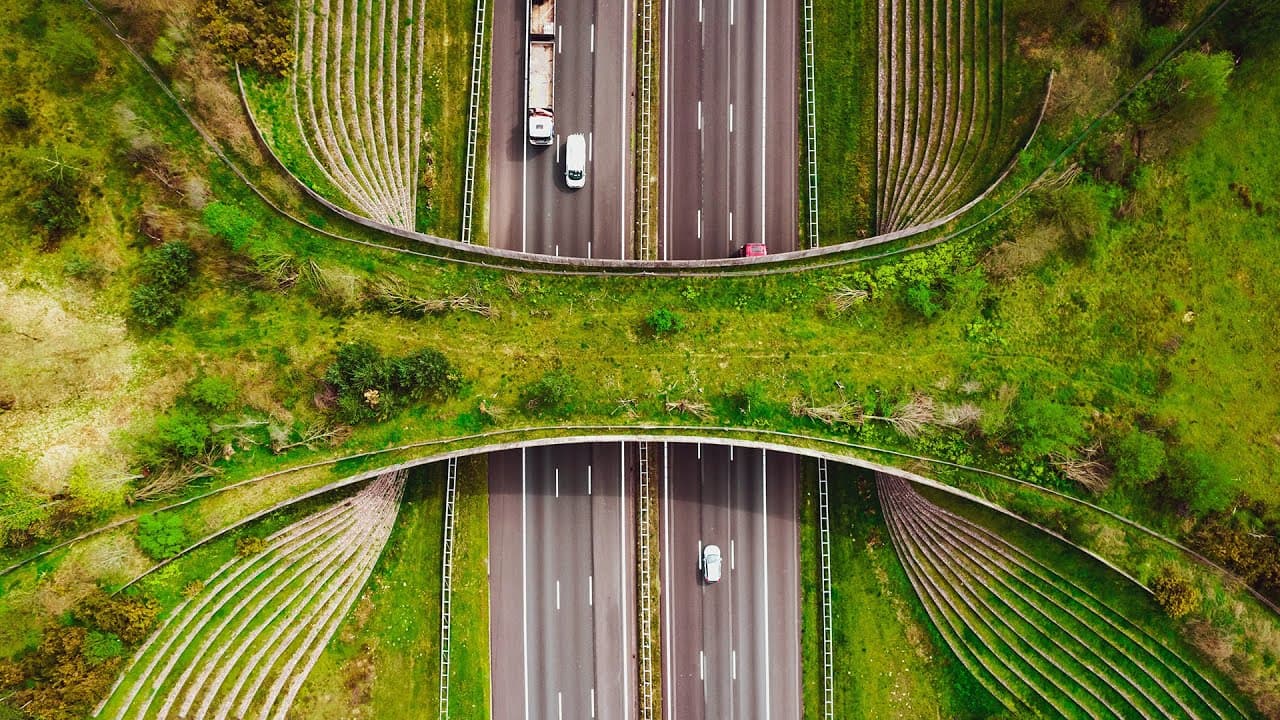
This is the Wallis Annenberg Wildlife Crossing under construction over the 101 just outside Los Angeles, California. When it’s finished in a few years, it will be the largest wildlife crossing on the planet. The bridge is 210 feet (64 meters) long and 174 feet (53 meters) wide, roughly the same breadth as the ten-lane superhighway it crosses. N... Read More
Key Insights
- The Wallis Annenberg Wildlife Crossing, under construction in California, will be the largest of its kind, highlighting the growing investment in wildlife infrastructure.
- Wildlife crossings address ecological impacts of roads, such as habitat fragmentation and noise pollution, which adversely affect animal populations.
- Roads present economic and safety challenges, with over 1 million wildlife-vehicle collisions in the US annually, costing billions in damages.
- Wildlife crossings require careful site selection, considering factors like traffic patterns and species-specific behaviors to ensure effectiveness.
- Different species respond to roads uniquely, necessitating varied crossing designs, from culverts for small animals to overpass bridges for larger species.
- Fencing is crucial in guiding animals to crossings, with designs accommodating species' behaviors, such as digging or jumping.
- Underpasses and overpasses are designed to blend into natural landscapes, encouraging animal use while minimizing human disturbance.
- Advancements in wildlife crossings are driven by both ecological and economic motivations, supported by federal funding and engineering expertise.
Install to Summarize YouTube Videos and Get Transcripts
Explore YouTube Video Summarizer or Get YouTube Transcript Extractor
Questions & Answers
Q: What is the significance of the Wallis Annenberg Wildlife Crossing?
The Wallis Annenberg Wildlife Crossing is significant as it will be the largest wildlife crossing of its kind, designed to provide safe passage for animals across a major highway. This project highlights the growing recognition of the need to mitigate the ecological impacts of roads on wildlife, addressing issues like habitat fragmentation and vehicle collisions.
Q: Why are wildlife crossings important for both animals and humans?
Wildlife crossings are crucial as they help maintain ecological balance by allowing safe animal passage, reducing habitat fragmentation. For humans, they decrease the risk of wildlife-vehicle collisions, which can cause significant economic damage and pose safety threats. These crossings ensure both ecological and human safety, justifying their investment.
Q: How do engineers decide where to build wildlife crossings?
Engineers use a combination of mapping techniques, including aerial photography and ecological data, to identify optimal locations for wildlife crossings. They consider factors like traffic patterns, species behaviors, and existing roadkill statistics to ensure crossings are strategically placed to maximize their effectiveness in reducing wildlife-vehicle interactions.
Q: What are the different types of wildlife crossings mentioned?
The video mentions various types of wildlife crossings, including underpasses, culverts, and overpass bridges. Underpasses and culverts are often used for smaller animals, while larger species may require expansive overpass bridges. Each type is designed to accommodate the specific crossing behaviors and habitat needs of different animal species.
Q: How do wildlife crossings address species-specific behaviors?
Wildlife crossings are designed with species-specific behaviors in mind, ensuring they effectively guide animals safely across roads. For example, fencing is tailored to prevent digging or jumping, and crossings like culverts or overpasses are selected based on whether a species is more likely to traverse a tunnel or prefer an open path.
Q: What economic benefits do wildlife crossings provide?
Economically, wildlife crossings reduce the costs associated with wildlife-vehicle collisions, which include vehicle damages, medical expenses, and insurance claims. By preventing these incidents, crossings save billions of dollars annually, making them a financially sound investment alongside their ecological and safety benefits.
Q: What role does federal funding play in wildlife crossing projects?
Federal funding plays a crucial role in wildlife crossing projects by providing the necessary financial resources to plan, construct, and maintain these infrastructures. The Federal Highway Administration's allocation of funds underscores the importance of these projects in addressing both ecological and safety concerns on national roadways.
Q: How do wildlife crossings integrate into natural landscapes?
Wildlife crossings are designed to integrate seamlessly into natural landscapes, using native vegetation and natural materials to create familiar environments for animals. This design approach encourages wildlife to use the crossings by minimizing the perceived intrusion of artificial structures, thus promoting safe and effective passage across roads.
Summary & Key Takeaways
-
Wildlife crossings, like the Wallis Annenberg project, are vital infrastructure designed to mitigate the negative impacts of roads on animal populations by providing safe passages across highways.
-
These crossings not only protect wildlife but also reduce the economic and safety risks associated with wildlife-vehicle collisions, which are prevalent on US roadways.
-
Engineering wildlife crossings involves understanding species-specific behaviors and ecological needs, with designs ranging from tunnels to overpasses, ensuring connectivity and safety for diverse animal groups.
Read in Other Languages (beta)
Share This Summary 📚
Summarize YouTube Videos and Get Video Transcripts with 1-Click
Try YouTube Summary with ChatGPT & Claude or YouTube Transcript Generator
Explore More Summaries from Practical Engineering 📚
Summarize YouTube Videos and Get Video Transcripts with 1-Click
Try YouTube Summary with ChatGPT & Claude or YouTube Transcript Generator