How to Eat More and Get Leaner
TL;DR
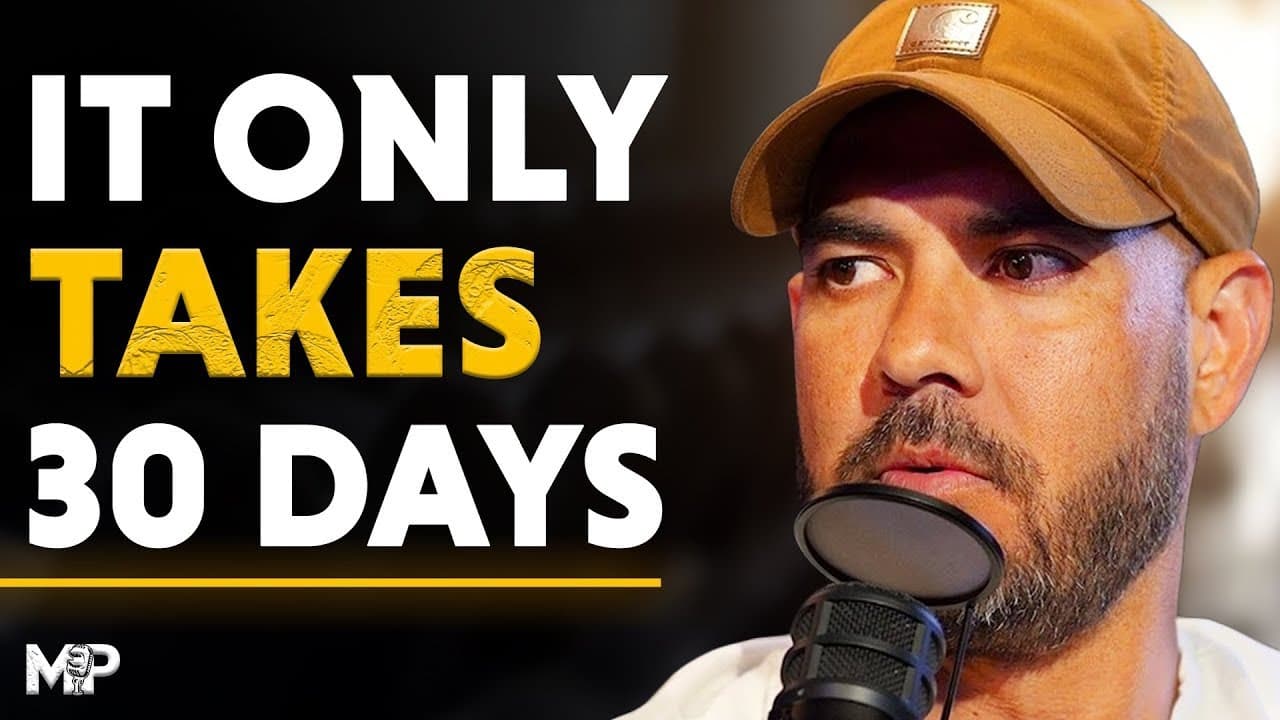
Eating more can actually lead to a leaner physique if done correctly. The key is to focus on strength training and a high-protein diet, which signals the body to build muscle and boost metabolism. Simply cutting calories and doing excessive cardio can lead to muscle loss and a slower metabolism, making it easier to gain fat.
Transcript
one of the biggest misconceptions in health and fitness is the following believe it or not you can eat more and get leaner and you can also eat less and get fatter in fact this happens all the time people try to lose weight they just eat less they do it wrong they end up fatter today's episode we're going to explain how this happens can't wait for ... Read More
Key Insights
- Metabolism is highly adaptive and can slow down if calories are restricted too much.
- Strength training is crucial for building muscle, which in turn boosts metabolism.
- A high-protein diet supports muscle growth and can aid in fat loss, even with the same calorie intake.
- Excessive cardio and calorie restriction can lead to muscle loss and a slower metabolism.
- Hormonal balance is affected by calorie intake and exercise, influencing muscle and fat storage.
- Building muscle requires not only protein but also adequate calories to fuel growth.
- The scale may not accurately reflect fat loss; muscle gain can offset weight loss.
- Reverse dieting can help increase metabolic rate, making fat loss more sustainable.
Install to Summarize YouTube Videos and Get Transcripts
Explore YouTube Video Summarizer or Get YouTube Transcript Extractor
Questions & Answers
Q: How can eating more help in getting leaner?
Eating more, when combined with strength training and a high-protein diet, can help in building muscle. Muscle tissue burns more calories at rest, thus boosting metabolism. This approach contrasts with calorie restriction, which can lead to muscle loss and a slower metabolism, making it harder to maintain weight loss.
Q: Why is strength training important for fat loss?
Strength training is important for fat loss because it signals the body to build muscle. Muscle increases metabolic rate, meaning you burn more calories even at rest. This makes it easier to maintain a calorie deficit and lose fat without sacrificing muscle mass, which is crucial for long-term success.
Q: What role does protein play in weight management?
Protein plays a crucial role in weight management by supporting muscle growth and repair. A high-protein diet can lead to greater muscle mass, which boosts metabolism and aids in fat loss. Protein is also satiating, helping to control appetite and reduce overall calorie intake naturally.
Q: How does metabolism adapt to calorie intake?
Metabolism adapts to calorie intake by adjusting the rate at which it burns calories. When calorie intake is too low, the body slows down metabolism to conserve energy, making it harder to lose weight. Conversely, adequate or increased calorie intake, especially with strength training, can boost metabolic rate.
Q: What are the risks of excessive cardio and calorie restriction?
Excessive cardio and calorie restriction can lead to muscle loss and a slower metabolism. This approach can increase the percentage of body fat even if weight is lost, as muscle mass decreases. It can also disrupt hormonal balance, further hindering fat loss and making it easier to regain weight.
Q: How can hormonal balance affect weight loss?
Hormonal balance affects weight loss by regulating muscle growth and fat storage. Calorie restriction and over-exercising can increase catabolic hormones, leading to muscle loss and fat retention. Ensuring hormonal health through adequate nutrition and exercise can promote a more favorable environment for fat loss.
Q: Why might the scale not reflect fat loss progress?
The scale might not reflect fat loss progress because muscle gain can offset weight loss. As muscle is denser than fat, you might lose inches and appear leaner without significant changes on the scale. Focusing on body composition rather than weight alone provides a more accurate picture of progress.
Q: What is reverse dieting and how does it help?
Reverse dieting involves gradually increasing calorie intake to boost metabolic rate. This approach helps to prevent metabolic slowdown and supports muscle growth, making future fat loss more sustainable. By increasing calories slowly, the body adapts to burning more energy, reducing the risk of weight regain.
Summary & Key Takeaways
-
Eating more can lead to a leaner body if combined with strength training and a high-protein diet. This approach boosts metabolism and supports muscle growth, which burns more calories. Conversely, excessive calorie restriction and cardio can slow metabolism and lead to muscle loss.
-
Metabolism adapts to calorie intake and activity level. Strength training and protein are key to boosting metabolism and achieving sustainable fat loss. Hormonal changes from excessive dieting can hinder progress, making it crucial to focus on building muscle.
-
The scale isn't always a reliable measure of progress. Muscle gain can offset weight loss, so focus on strength and body composition. Reverse dieting can increase metabolic rate, allowing for a more sustainable approach to fat loss.
Read in Other Languages (beta)
Share This Summary 📚
Summarize YouTube Videos and Get Video Transcripts with 1-Click
Try YouTube Summary with ChatGPT & Claude or YouTube Transcript Generator
Explore More Summaries from Mind Pump Show 📚
Summarize YouTube Videos and Get Video Transcripts with 1-Click
Try YouTube Summary with ChatGPT & Claude or YouTube Transcript Generator