How to Build Big Arms & Increase Pull-Ups Effectively
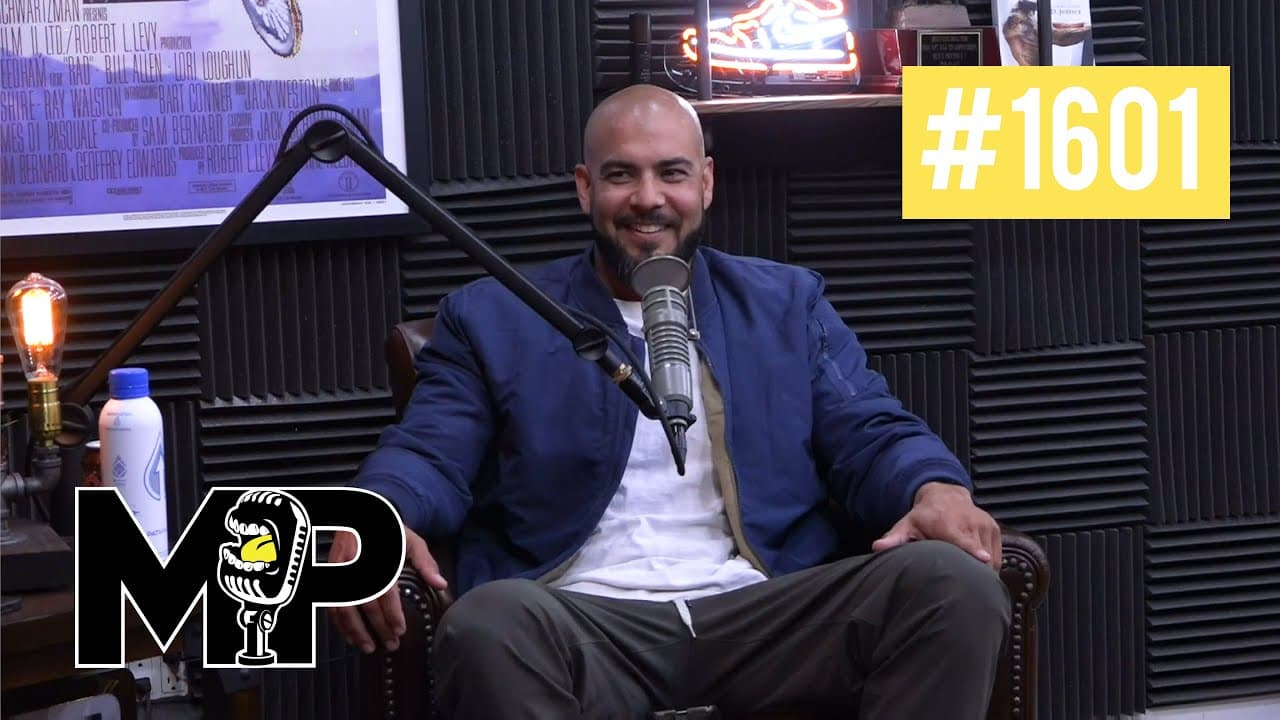
TL;DR
To build big arms and increase pull-ups, focus on practicing pull-ups frequently without reaching fatigue and incorporate both low and high reps for compound and isolation arm exercises. Use a belt only if competing in powerlifting, and prioritize recovery through quality sleep, hydration, and light movement.
Transcript
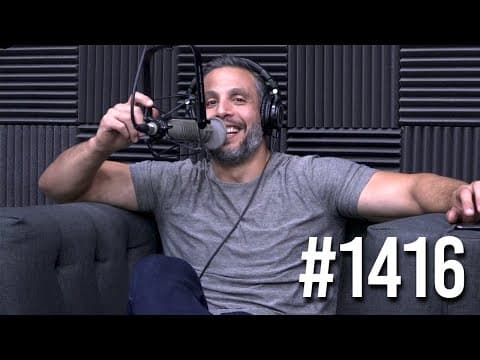
it's magic time it's mind pump the best fitness podcast you'll find anywhere in the world including here on youtube okay we're gonna do another giveaway you know we do this every single time did you expect anything less of course not all right so today's giveaway is maps hit that's high intensity interval training it's a program where you do hit th... Read More
Key Insights
- Practicing pull-ups frequently without reaching fatigue can significantly improve strength and form.
- For arm growth, use low reps with heavy weights for compound exercises and high reps with lighter weights for isolation exercises.
- Lifting belts are not necessary unless competing in powerlifting; they provide external stability but should not be relied upon.
- For faster recovery from overtraining, prioritize quality sleep, hydration, and light movement like stretching and mobility work.
- Occlusion training can be an effective advanced technique for adding size to arms when all other training variables are optimized.
- Manipulating the strength curve by varying elbow positions during arm exercises can enhance muscle growth.
- Incorporating compound exercises like weighted pull-ups can significantly contribute to bicep development.
- Being active and mobile, even when overtrained, can facilitate recovery more effectively than complete rest.
Install to Summarize YouTube Videos and Get Transcripts
Explore YouTube Video Summarizer or Get YouTube Transcript Extractor
Questions & Answers
Q: How to train for pull-ups effectively?
To train for pull-ups effectively, practice them frequently without reaching fatigue. Install a pull-up bar at home and do a few pull-ups multiple times a day. If you cannot do one pull-up, use a resistance band for assistance and gradually reduce the band's support as you get stronger.
Q: What is the best way to grow arm size?
To grow arm size, use a combination of low reps with heavy weights for compound exercises and high reps with lighter weights for isolation exercises. This approach targets different muscle fibers, promoting balanced muscle growth and improving overall arm development.
Q: Are lifting belts necessary for heavy lifting?
Lifting belts are not necessary for heavy lifting unless you are competing in powerlifting. They provide external stability but can alter natural muscle recruitment patterns. It's better to develop core strength and stability without relying on a belt for most lifters.
Q: How can I recover faster from overtraining?
To recover faster from overtraining, prioritize quality sleep, hydration, and light movement such as stretching and mobility exercises. These practices help reduce muscle soreness, improve circulation, and facilitate the body's natural recovery processes.
Q: What is occlusion training and how does it benefit arm growth?
Occlusion training involves restricting blood flow to the muscles during exercise to enhance muscle growth. It can be an effective advanced technique for adding size to arms when all other training variables are optimized. However, it should not replace traditional training methods.
Q: How to manipulate the strength curve for better arm growth?
Manipulate the strength curve by varying elbow positions during arm exercises. Perform exercises with elbows at your sides, in front of you, and behind you. This variation targets different parts of the arm muscles, enhancing muscle growth and improving overall arm development.
Q: What compound exercises can improve bicep development?
Compound exercises like weighted pull-ups can significantly contribute to bicep development. These exercises involve multiple muscle groups and allow you to lift heavier weights, promoting greater muscle growth and strength in the biceps.
Q: Why is light movement beneficial for recovery?
Light movement is beneficial for recovery because it improves circulation, reduces muscle stiffness, and enhances flexibility. Activities like stretching and mobility exercises help maintain joint health and facilitate the body's natural recovery processes, even when overtrained.
Summary & Key Takeaways
-
To improve pull-ups, practice them frequently without reaching fatigue. If you can't do one, use a band for assistance and gradually increase reps each week. This method helps in building strength quickly.
-
For arm size, combine low reps with heavy weights for compound exercises and high reps with lighter weights for isolation exercises. This approach targets different muscle fibers and promotes growth.
-
Lifting belts are not necessary for most lifters unless competing in powerlifting. They provide external stability but can alter natural muscle recruitment patterns, so use them sparingly.
Read in Other Languages (beta)
Share This Summary 📚
Summarize YouTube Videos and Get Video Transcripts with 1-Click
Try YouTube Summary with ChatGPT & Claude or YouTube Transcript Generator
Explore More Summaries from Mind Pump Show 📚

Summarize YouTube Videos and Get Video Transcripts with 1-Click
Try YouTube Summary with ChatGPT & Claude or YouTube Transcript Generator