How to Lose Weight by Adding to Your Diet
TL;DR
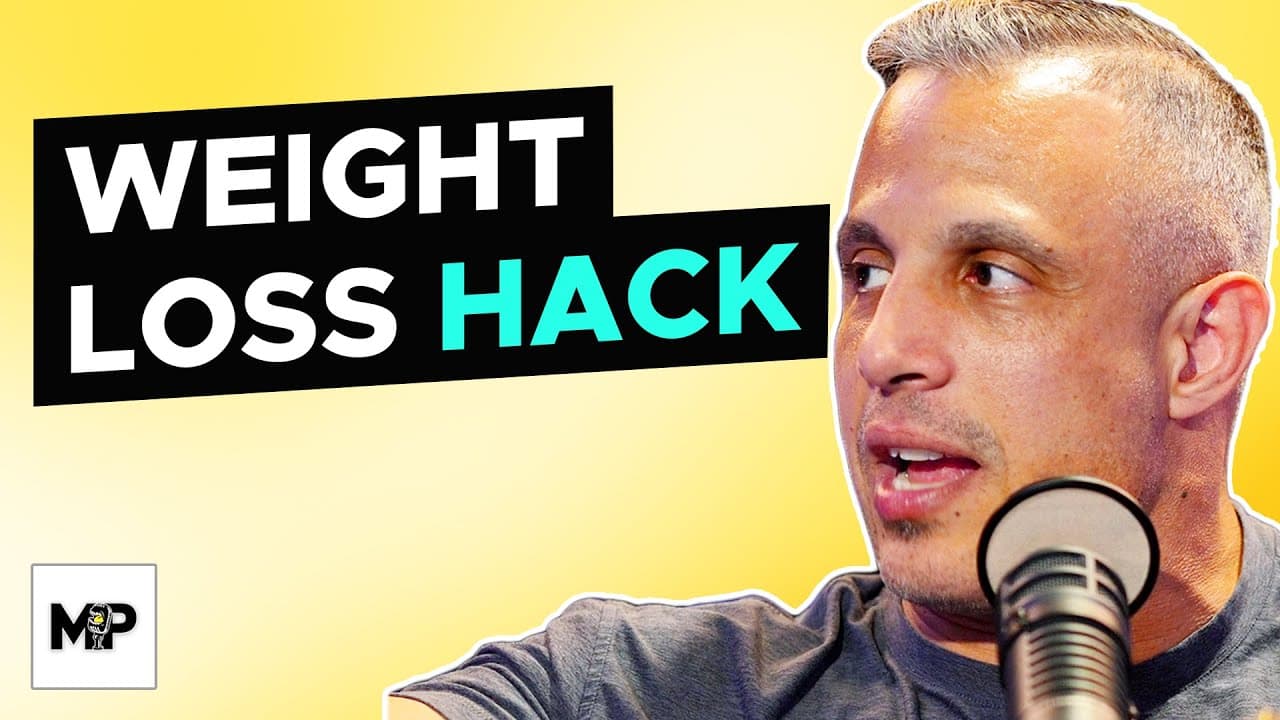
Add more protein and fiber to your diet to promote satiety and muscle building, which can lead to weight loss. This approach feels less restrictive and psychologically beneficial compared to cutting calories. By focusing on whole foods and protein intake, you naturally consume fewer calories.
Transcript
when it comes to diet especially when it comes to fat loss try this instead don't take things away is what everybody tells you to do cut things out of your diet that's what everybody says try this add things to your diet now you're probably thinking that makes no sense no it's makes a lot of sense if you add the right things there's Downstream effe... Read More
Key Insights
- Adding protein and fiber to your diet increases satiety, helping you eat fewer calories overall.
- High-protein diets lead to more fat loss and muscle gain compared to low-protein diets with the same caloric intake.
- Psychologically, adding foods feels less restrictive than cutting them, making it easier to adhere to a diet.
- Most people are deficient in protein and fiber, which are crucial for muscle building and metabolism.
- Whole foods provide better satiety than processed foods or protein shakes.
- Eating protein first in meals can naturally reduce the desire to eat other high-calorie foods.
- Focusing on protein and fiber intake can lead to a natural reduction in processed food consumption.
- The psychological benefits of adding to your diet can be as important as the physical benefits.
Install to Summarize YouTube Videos and Get Transcripts
Explore YouTube Video Summarizer or Get YouTube Transcript Extractor
Questions & Answers
Q: How does adding protein to my diet help with weight loss?
Adding protein to your diet increases satiety, making you feel fuller for longer periods and reducing overall calorie intake. High-protein diets also support muscle building, which boosts metabolism and enhances fat loss, even when caloric intake is controlled.
Q: What are the psychological benefits of adding foods instead of cutting them?
Psychologically, adding foods to your diet feels less restrictive and more freeing than cutting them. This approach reduces the stress and anxiety often associated with dieting, making it easier to adhere to a healthy eating plan and maintain long-term weight loss.
Q: Why is it important to focus on whole foods for protein intake?
Whole foods provide better satiety and nutritional benefits compared to processed foods or protein shakes. They require more chewing and digestion, which increases the feeling of fullness and satisfaction, helping to naturally reduce calorie intake.
Q: How can focusing on protein and fiber reduce processed food consumption?
By prioritizing protein and fiber intake, you naturally fill up on nutrient-dense foods, leaving less room and desire for processed foods. This shift in dietary focus helps reduce cravings for high-calorie, low-nutrient foods, promoting healthier eating habits.
Q: What role does fiber play in weight loss?
Fiber plays a crucial role in weight loss by enhancing satiety and slowing digestion, leading to reduced calorie intake. It also supports digestive health, helps regulate blood sugar levels, and can reduce the risk of developing chronic diseases.
Q: Can protein shakes replace whole foods for protein intake?
While protein shakes can be convenient, they do not provide the same satiety benefits as whole foods. Whole foods require more digestion and chewing, which enhances fullness and satisfaction. Shakes can supplement protein intake but should not replace whole food sources.
Q: How does muscle building contribute to weight loss?
Muscle building increases metabolism, as muscle tissue burns more calories at rest compared to fat tissue. This boost in metabolic rate helps in burning more calories throughout the day, aiding in weight loss and maintenance of a healthy body composition.
Q: Why is it important to avoid restrictive diets?
Restrictive diets can lead to feelings of deprivation and increased cravings, making them difficult to maintain long-term. They can also cause nutritional deficiencies and negatively impact mental health. A balanced approach focusing on adding nutrient-dense foods is more sustainable and effective.
Summary & Key Takeaways
-
Adding protein and fiber to your diet is a more effective and psychologically easier method for weight loss than cutting calories. This approach increases satiety and helps maintain muscle mass, leading to better fat loss outcomes.
-
Whole foods provide more satiety than processed options, and focusing on these can naturally lead to a reduction in calorie intake. Most people are deficient in protein and fiber, which are essential for a healthy metabolism.
-
The psychological impact of adding foods rather than restricting them can lead to more sustainable dietary habits. This method can help reduce cravings for high-calorie processed foods, supporting long-term weight management.
Read in Other Languages (beta)
Share This Summary 📚
Summarize YouTube Videos and Get Video Transcripts with 1-Click
Try YouTube Summary with ChatGPT & Claude or YouTube Transcript Generator
Explore More Summaries from Mind Pump Show 📚

Summarize YouTube Videos and Get Video Transcripts with 1-Click
Try YouTube Summary with ChatGPT & Claude or YouTube Transcript Generator