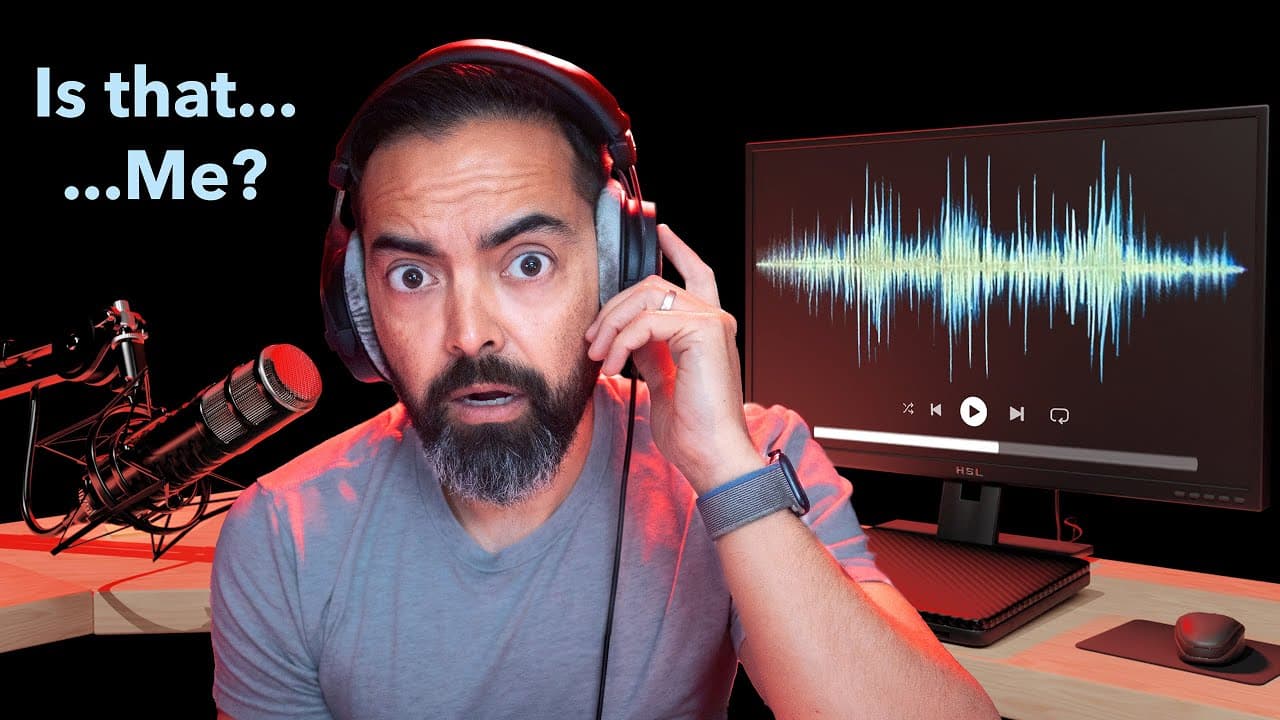
AI Voice Cloning Software is Out of Control 😳
TL;DR
AI voice cloning is advancing rapidly, presenting both opportunities and risks.
Transcript
hey there it's uh it's Pat Flynn I hope you're doing well today and uh if you're watching this video I'm probably being blown away at the moment what hey it's Pat here and this is my real voice uh but what you just heard was a clone that was made in just 5 minutes using a tool called 11 labs and man this Tech has gotten so good and it's so scary it... Read More
Key Insights
- AI voice cloning technology, like Eleven Labs, has advanced significantly, making cloned voices almost indistinguishable from real ones.
- The technology poses risks such as deep fakes, misinformation, and privacy violations, which can lead to scams and political manipulation.
- Ownership issues arise with AI voice cloning, especially concerning consent and compensation for using someone else's voice.
- AI voice cloning could disrupt industries like voice acting, as studios might prefer using AI over hiring voice actors.
- On the positive side, AI voice cloning can enhance productivity for creators by allowing easy editing and voiceover replacements.
- The technology increases accessibility by providing audio versions of written content for those with visual impairments or who prefer listening.
- AI voice cloning can help individuals with speech impairments regain their voice and communicate more effectively.
- Voice preservation through AI offers sentimental and practical benefits, allowing voices to be saved and reused even if the original speaker is no longer able to speak.
Install to Summarize YouTube Videos and Get Transcripts
Explore YouTube Video Summarizer or Get YouTube Transcript Extractor
Questions & Answers
Q: What are the main concerns about AI voice cloning technology?
The primary concerns about AI voice cloning technology include the potential for deep fakes and misinformation, privacy violations, and ownership issues. These concerns arise because the technology can replicate voices almost perfectly, leading to scams and manipulation if used unethically.
Q: How does AI voice cloning technology impact the voice acting industry?
AI voice cloning technology poses a threat to the voice acting industry by potentially reducing the demand for human voice actors. Studios might opt to use AI-generated voices instead of hiring voice actors, especially for non-celebrity roles, due to cost and convenience.
Q: What are the potential benefits of AI voice cloning for content creators?
Content creators can benefit from AI voice cloning by using it to correct mistakes in recordings, create audio versions of written content, and enhance productivity. It allows creators to easily replace or edit voiceovers without needing to re-record, saving time and effort.
Q: How can AI voice cloning technology improve accessibility?
AI voice cloning technology improves accessibility by providing audio versions of written content, making it accessible to those with visual impairments or those who prefer listening. It can also aid individuals with speech impairments by giving them a voice to communicate effectively.
Q: What are the ethical concerns related to ownership in AI voice cloning?
Ethical concerns related to ownership in AI voice cloning involve using someone else's voice without consent and determining compensation. Musicians and voiceover artists may worry about their voices being used without approval, and questions arise about who should be paid for AI-generated content.
Q: How does AI voice cloning technology help with voice preservation?
AI voice cloning technology helps with voice preservation by allowing voices to be saved and reused even if the original speaker is no longer able to speak. This can be beneficial for sentimental reasons or for public figures who wish to maintain their vocal presence.
Q: What precautions can individuals take to protect themselves from scams using AI voice cloning?
Individuals can protect themselves from scams using AI voice cloning by establishing code words with family members to verify authenticity during suspicious situations. Being aware of the technology's capabilities and staying informed about potential threats can also help mitigate risks.
Q: What future developments are anticipated in the field of AI voice cloning?
Future developments in AI voice cloning may include more advanced algorithms for even more realistic voice replication, legal regulations addressing ownership and consent, and broader applications across various industries. As the technology evolves, ethical guidelines and industry standards will likely emerge.
Summary & Key Takeaways
-
AI voice cloning technology has advanced to the point where cloned voices are nearly indistinguishable from real ones. While this presents exciting opportunities for creators, it also raises significant ethical and privacy concerns.
-
The technology poses risks such as deep fakes and misinformation, which can lead to scams, especially during political events. Ownership and consent issues also arise, particularly for musicians and voiceover artists.
-
Despite the risks, AI voice cloning offers benefits like increased productivity for creators and enhanced accessibility for audiences. It also provides opportunities for voice preservation and communication aid for those with speech impairments.
Read in Other Languages (beta)
Share This Summary 📚
Summarize YouTube Videos and Get Video Transcripts with 1-Click
Try YouTube Summary with ChatGPT & Claude or YouTube Transcript Generator
Explore More Summaries from Pat Flynn 📚

Summarize YouTube Videos and Get Video Transcripts with 1-Click
Try YouTube Summary with ChatGPT & Claude or YouTube Transcript Generator