How to Overhead Press Your Body Weight Effectively
TL;DR
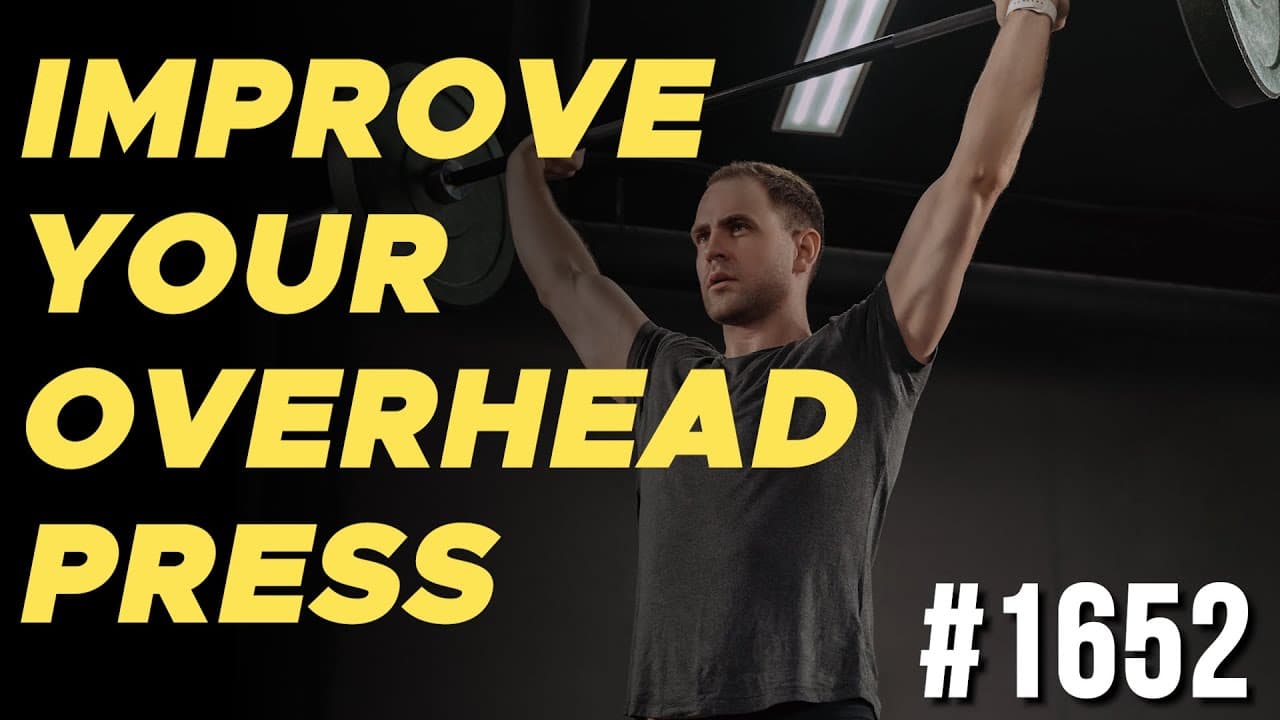
The overhead press is a superior exercise for measuring upper body strength compared to the bench press. It requires significant core stability and shoulder mobility. Practicing the overhead press frequently, focusing on technique, and incorporating exercises like overhead carries and Z presses can enhance performance and prevent injury.
Transcript
it's the final day it's 24 hours left for the 50 off sale of map suspension and maps performance they're both half off right now which is why i'm gonna give one of you lucky viewers both those programs for free that's right free free free so one of you guys will get those for free here's how you can enter leave a comment in the first 24 hours that ... Read More
Key Insights
- The overhead press is a superior measure of upper body strength compared to the bench press.
- Practicing the overhead press frequently improves skill and strength.
- Overhead carries enhance shoulder stability and core strength.
- The Z press emphasizes core stability and proper shoulder alignment.
- The bottoms-up press improves wrist and shoulder stabilization.
- Push presses enhance explosive power and strength in the overhead press.
- Rear delt exercises contribute to shoulder stability and posture.
- Overall shoulder mobility is crucial for a safe and effective overhead press.
Install to Summarize YouTube Videos and Get Transcripts
Explore YouTube Video Summarizer or Get YouTube Transcript Extractor
Questions & Answers
Q: How to improve overhead press strength?
To improve overhead press strength, practice the exercise frequently to enhance skill and technique. Incorporate exercises like overhead carries, Z presses, and bottoms-up presses to increase core stability and shoulder mobility. Focus on developing rear delts and overall shoulder mobility to support the movement and prevent injury.
Q: What are the benefits of the overhead press?
The overhead press is an excellent measure of upper body strength, requiring significant core stability and shoulder mobility. It engages multiple muscle groups, including the shoulders, triceps, and upper back, making it a comprehensive exercise for developing functional strength and enhancing posture.
Q: Why is core stability important for the overhead press?
Core stability is crucial for the overhead press because it helps protect the spine and maintain proper posture during the lift. A strong core prevents excessive arching of the lower back, reducing the risk of injury and allowing for more efficient force transfer from the legs to the barbell.
Q: How do overhead carries benefit the overhead press?
Overhead carries enhance the overhead press by improving shoulder stability and core strength. By holding weight overhead while walking, individuals develop better balance and control, which translates to improved performance and reduced risk of injury during the press.
Q: What role do rear delts play in the overhead press?
Rear delts play a crucial role in stabilizing the shoulder joint during the overhead press. Well-developed rear delts contribute to better posture and shoulder alignment, reducing the risk of injury and enhancing overall strength and performance in the lift.
Q: How can the Z press improve overhead press performance?
The Z press improves overhead press performance by emphasizing core stability and proper shoulder alignment. By performing the press seated on the floor with legs extended, individuals must engage their core and maintain an upright posture, leading to better form and increased strength in the standing overhead press.
Q: What is the purpose of the bottoms-up press?
The bottoms-up press is designed to improve wrist and shoulder stabilization. By holding a kettlebell upside down, individuals must maintain proper alignment of the elbow and wrist, enhancing control and stability, which are crucial for safe and effective overhead pressing.
Q: How does shoulder mobility affect the overhead press?
Shoulder mobility is essential for a safe and effective overhead press. Good mobility allows for full range of motion, reducing the risk of impingement and injury. Incorporating mobility exercises like shoulder dislocates and the zone one test can help improve flexibility and support proper form during the press.
Summary & Key Takeaways
-
The overhead press is a more effective measure of upper body strength than the bench press, emphasizing the importance of core stability and shoulder mobility. Practicing regularly and incorporating exercises like overhead carries, Z presses, and bottoms-up presses can significantly improve performance.
-
To increase overhead press strength, focus on exercises that enhance core stability and shoulder mobility. Techniques such as the Z press and bottoms-up press can help improve form and prevent injuries, while push presses develop explosive power.
-
Rear delt exercises and overall shoulder mobility play crucial roles in achieving a strong overhead press. By addressing these areas, individuals can improve posture and strength, making the overhead press a more effective and safer exercise.
Read in Other Languages (beta)
Share This Summary 📚
Summarize YouTube Videos and Get Video Transcripts with 1-Click
Try YouTube Summary with ChatGPT & Claude or YouTube Transcript Generator
Explore More Summaries from Mind Pump Show 📚






Summarize YouTube Videos and Get Video Transcripts with 1-Click
Try YouTube Summary with ChatGPT & Claude or YouTube Transcript Generator