How Does Functional Medicine Treat Thyroid and Gut Issues?
TL;DR
Functional medicine offers a holistic approach to health, focusing on the interconnectedness of body systems. It emphasizes thorough testing and personalized treatment plans, often addressing gut health and hormone balance. Unlike conventional medicine, it considers diet and lifestyle integral to treatment, aiming to treat root causes rather than just symptoms.
Transcript
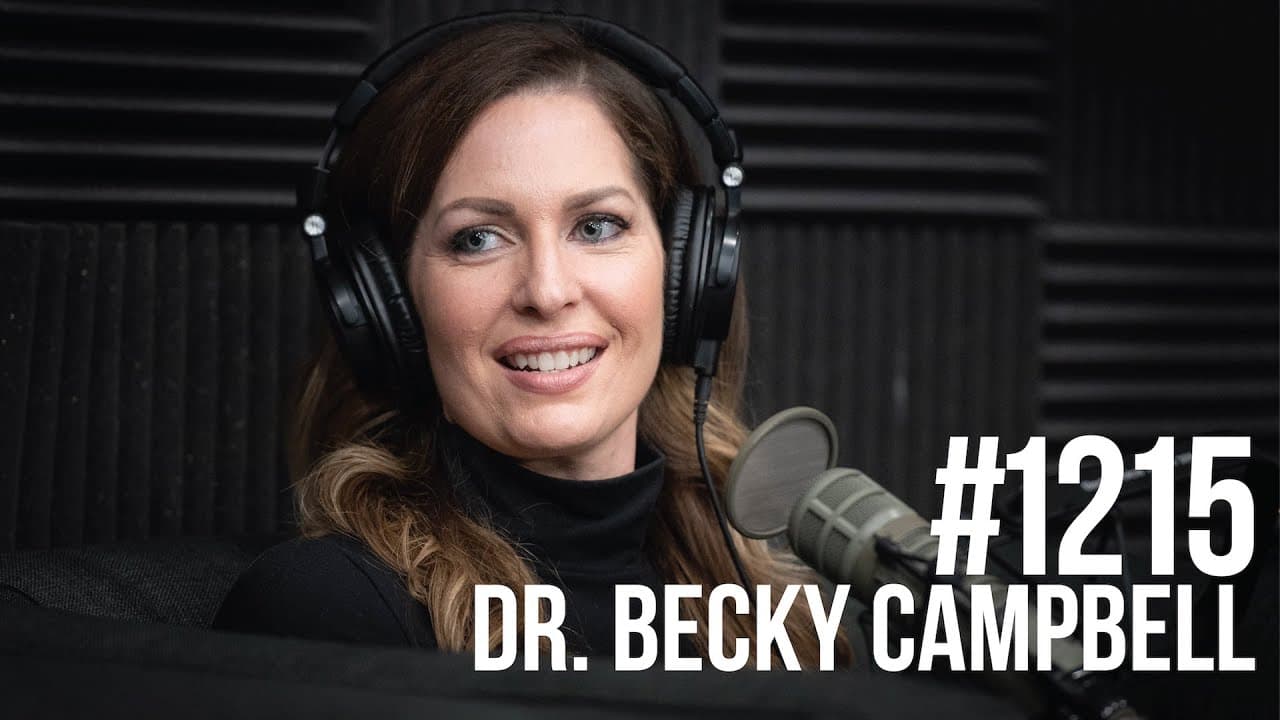
dr. Campbell it's great to have you on I heard about you through christina rice who's one of our very very good friends yes I was - I was asking her for some good functional medicine doctor recommendations at the time Jessica was having some gut issues so I wanted her to you know maybe work with someone or whatnot and you came recommended very very... Read More
Key Insights
- Functional medicine views the body as interconnected systems, addressing root causes rather than symptoms.
- It uses comprehensive testing, such as full thyroid panels and gut health assessments, to diagnose health issues.
- Diet plays a crucial role in functional medicine, with emphasis on reducing inflammation and managing stress.
- Common issues like SIBO and histamine intolerance are often linked to gut health and stress levels.
- Functional medicine practitioners often use natural antimicrobials instead of antibiotics for conditions like SIBO.
- Hormone imbalances, such as estrogen dominance, can affect conditions like thyroid disease and histamine intolerance.
- Lifestyle changes, including stress management and dietary adjustments, are key components of treatment.
- Functional medicine aims to catch health issues early and prevent them from becoming severe.
Install to Summarize YouTube Videos and Get Transcripts
Explore YouTube Video Summarizer or Get YouTube Transcript Extractor
Questions & Answers
Q: How does functional medicine differ from traditional medicine?
Functional medicine views the body as interconnected systems and focuses on addressing root causes rather than just symptoms. It uses comprehensive testing, such as full thyroid panels and gut health assessments, and considers diet and lifestyle integral to treatment. This approach contrasts with conventional medicine, which often treats symptoms in isolation.
Q: What role does diet play in functional medicine?
Diet is crucial in functional medicine, as it can significantly impact inflammation and overall health. Functional medicine practitioners often recommend dietary changes to support gut health, hormone balance, and reduce inflammation. They emphasize the importance of personalized diets, avoiding foods that may exacerbate specific conditions like histamine intolerance.
Q: How is SIBO treated in functional medicine?
In functional medicine, SIBO is treated with natural antimicrobials rather than antibiotics. The treatment involves a balanced approach to diet, allowing some carbohydrates to prevent bacteria from hiding, while using antimicrobials to reduce bacterial overgrowth. The focus is on addressing the root cause and managing gut health to prevent recurrence.
Q: What are common symptoms of histamine intolerance?
Histamine intolerance can manifest in various ways, including migraines, eczema, vertigo, flushing, and digestive issues. It occurs when the body cannot effectively break down histamine, leading to an accumulation that causes these symptoms. Managing diet and stress, along with addressing gut health, are key strategies in functional medicine for managing histamine intolerance.
Q: How does functional medicine address hormone imbalances?
Functional medicine addresses hormone imbalances by conducting thorough testing, such as the Dutch test, to assess hormone levels throughout the menstrual cycle. Treatment often involves lifestyle and dietary changes to support hormone balance, reduce stress, and address any underlying gut health issues that may contribute to imbalances.
Q: Why is gut health important in functional medicine?
Gut health is central to functional medicine because it affects various bodily functions, including immune response, hormone balance, and mental health. A significant portion of the immune system resides in the gut, making it essential to address gut health to manage or prevent conditions like SIBO, histamine intolerance, and hormone imbalances.
Q: What testing is commonly used in functional medicine?
Functional medicine employs comprehensive testing, including full thyroid panels, gut health assessments, and hormone level tests like the Dutch test. These tests provide a detailed view of the body's systems, allowing practitioners to identify root causes of health issues and tailor personalized treatment plans effectively.
Q: How does functional medicine view stress management?
Stress management is a vital component of functional medicine, as chronic stress can exacerbate health issues. Practitioners emphasize techniques such as mindfulness, meditation, and lifestyle changes to reduce stress. Managing stress is crucial for maintaining hormone balance, supporting immune function, and improving overall health outcomes.
Summary & Key Takeaways
-
Functional medicine approaches health by viewing the body as interconnected systems, focusing on root causes rather than symptoms. It uses comprehensive testing and personalized treatment plans, often addressing gut health and hormone balance. Diet and lifestyle are integral to treatment, aiming to prevent issues from becoming severe.
-
Common issues like SIBO and histamine intolerance are often linked to gut health and stress. Functional medicine practitioners use natural antimicrobials and emphasize dietary changes to manage these conditions. Hormone imbalances, such as estrogen dominance, can affect conditions like thyroid disease.
-
Functional medicine practitioners spend more time with patients, using thorough testing to inform treatment. They address lifestyle factors, including stress management and dietary adjustments, as key components of treatment. The goal is to catch health issues early and prevent them from becoming severe.
Read in Other Languages (beta)
Share This Summary 📚
Summarize YouTube Videos and Get Video Transcripts with 1-Click
Try YouTube Summary with ChatGPT & Claude or YouTube Transcript Generator
Explore More Summaries from Mind Pump Show 📚

Summarize YouTube Videos and Get Video Transcripts with 1-Click
Try YouTube Summary with ChatGPT & Claude or YouTube Transcript Generator