How High Protein Diets Improve Muscle and Health
TL;DR
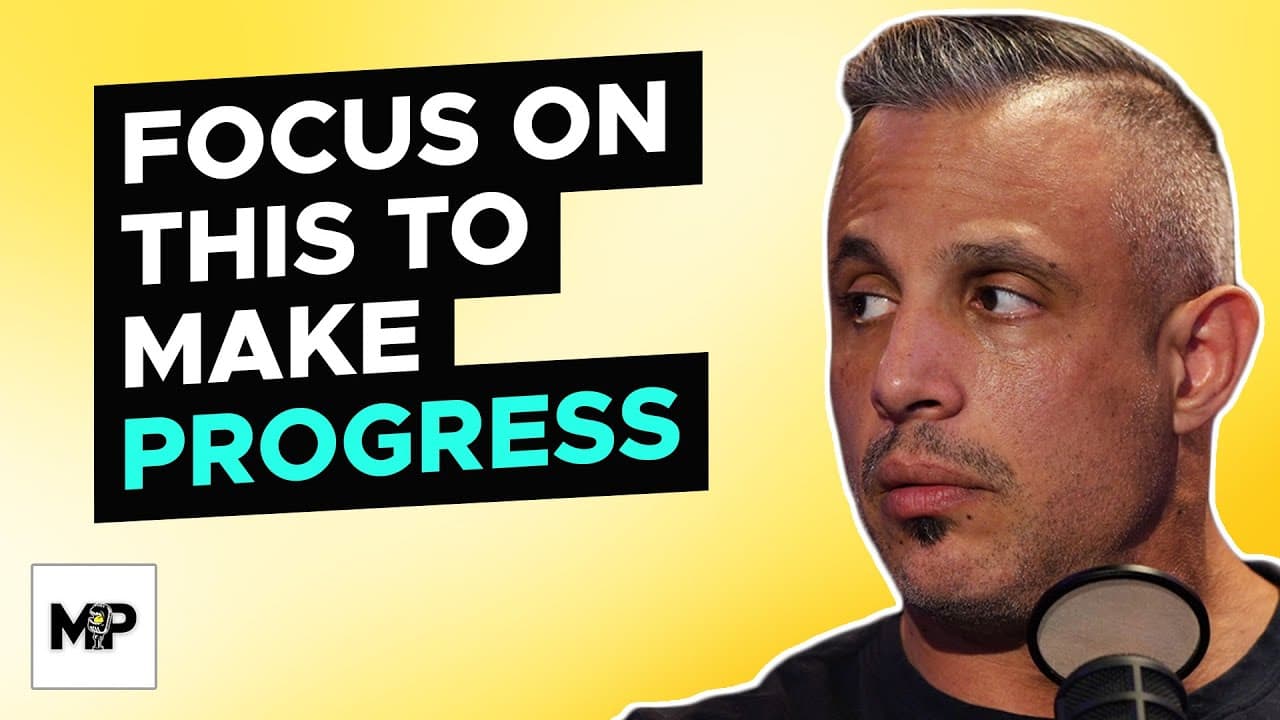
A high protein diet, when calories and other factors are equal, proves superior for glucose control, muscle gain, fat loss, and satiety. This diet promotes better insulin sensitivity and longevity. Despite misconceptions, protein is a beneficial macronutrient, often overshadowed by the focus on vegetables as health foods.
Transcript
look when all things are equal okay same calorie diet everything else being equal training sleep all of it a high protein diet is superior check this out studies show you'll have better glucose control in other words better insulin sensitivity more muscle less body fat and then here's my favorite one more satiety meaning less hunger and Cravings ac... Read More
Key Insights
- A high protein diet offers superior glucose control and insulin sensitivity.
- Protein-rich diets lead to more muscle gain and less body fat.
- High protein intake enhances satiety, reducing hunger and cravings.
- Protein is often demonized in media, overshadowing its health benefits.
- Longevity is improved with a high protein diet, according to well-made studies.
- High protein diets often involve more whole foods, reducing processed food intake.
- Misconceptions exist about protein, often seen only as a muscle-building nutrient.
- Protein helps control blood sugar better than commonly recognized.
Install to Summarize YouTube Videos and Get Transcripts
Explore YouTube Video Summarizer or Get YouTube Transcript Extractor
Questions & Answers
Q: How does a high protein diet improve glucose control?
A high protein diet enhances glucose control by improving insulin sensitivity. This means the body can manage blood sugar levels more effectively, reducing the risk of insulin resistance and related conditions. Studies have shown that individuals on high protein diets experience better glucose regulation compared to those on lower protein diets, provided other factors like calorie intake are consistent.
Q: Why is protein often demonized in media?
Protein is often demonized due to its association with animal products, which are sometimes criticized for environmental and health reasons. Additionally, media narratives may prioritize plant-based diets, overshadowing the benefits of protein. This can lead to misconceptions about protein's role, focusing solely on muscle building rather than its broader health benefits, such as improved satiety and blood sugar control.
Q: What are the benefits of high protein diets for muscle and fat?
High protein diets contribute to muscle gain and fat loss by providing essential amino acids necessary for muscle repair and growth. They also increase satiety, helping reduce overall calorie intake and curb cravings. This combination of factors supports a leaner physique by promoting muscle retention and enhancing fat metabolism, making high protein diets effective for body composition improvements.
Q: How does protein intake affect longevity?
Protein intake positively affects longevity by supporting metabolic health, maintaining muscle mass, and enhancing insulin sensitivity. Studies suggest that individuals on high protein diets tend to have better overall health markers, which contribute to longer life expectancy. The diet's emphasis on whole foods over processed options also plays a role in promoting a healthier, longer life.
Q: Why do high protein diets often lead to less processed food consumption?
High protein diets naturally steer individuals towards whole foods, as most protein-rich foods like meats, eggs, and legumes are minimally processed. This shift reduces the intake of processed foods, which are typically high in sugars and unhealthy fats. Consequently, the diet not only enhances nutrient intake but also minimizes exposure to additives and preservatives found in processed foods.
Q: What misconceptions exist about protein?
Common misconceptions about protein include the belief that it is solely for bodybuilders or muscle gain. Many people are unaware of its broader health benefits, such as improving blood sugar control, enhancing satiety, and supporting longevity. Additionally, protein is often wrongly associated with negative health impacts due to its link with animal products, despite its essential role in a balanced diet.
Q: How does protein affect satiety and cravings?
Protein increases satiety by triggering the release of hormones that signal fullness, helping reduce overall calorie intake. This effect minimizes hunger and curbs cravings, making it easier to maintain a healthy diet and manage weight. By prioritizing protein-rich foods, individuals can achieve better appetite control, which supports long-term dietary adherence and weight management.
Q: How can one ensure adequate protein intake?
To ensure adequate protein intake, individuals should aim to incorporate a variety of protein-rich foods into their meals, such as lean meats, dairy, legumes, and nuts. It's important to distribute protein intake evenly across meals to maximize muscle protein synthesis and support metabolic health. Monitoring portion sizes and prioritizing whole foods over processed options can also help maintain optimal protein consumption.
Summary & Key Takeaways
-
A high protein diet, when calories and other factors are equal, proves superior for glucose control, muscle gain, fat loss, and satiety. This diet promotes better insulin sensitivity and longevity. Despite misconceptions, protein is a beneficial macronutrient, often overshadowed by the focus on vegetables as health foods.
-
Protein-containing foods are often demonized, but they offer significant health benefits, including improved longevity and better blood sugar control. Many misconceptions persist about protein, with people often associating it solely with bodybuilding, unaware of its broader health impacts.
-
High protein diets typically involve consuming more whole foods, naturally reducing processed food intake. This shift can lead to improved health outcomes, including greater satiety and fat loss. Despite media narratives, protein is a crucial macronutrient with numerous health benefits.
Read in Other Languages (beta)
Share This Summary 📚
Summarize YouTube Videos and Get Video Transcripts with 1-Click
Try YouTube Summary with ChatGPT & Claude or YouTube Transcript Generator
Explore More Summaries from Mind Pump Show 📚
Summarize YouTube Videos and Get Video Transcripts with 1-Click
Try YouTube Summary with ChatGPT & Claude or YouTube Transcript Generator