How to Determine Optimal Workout Volume for Muscle Growth
TL;DR
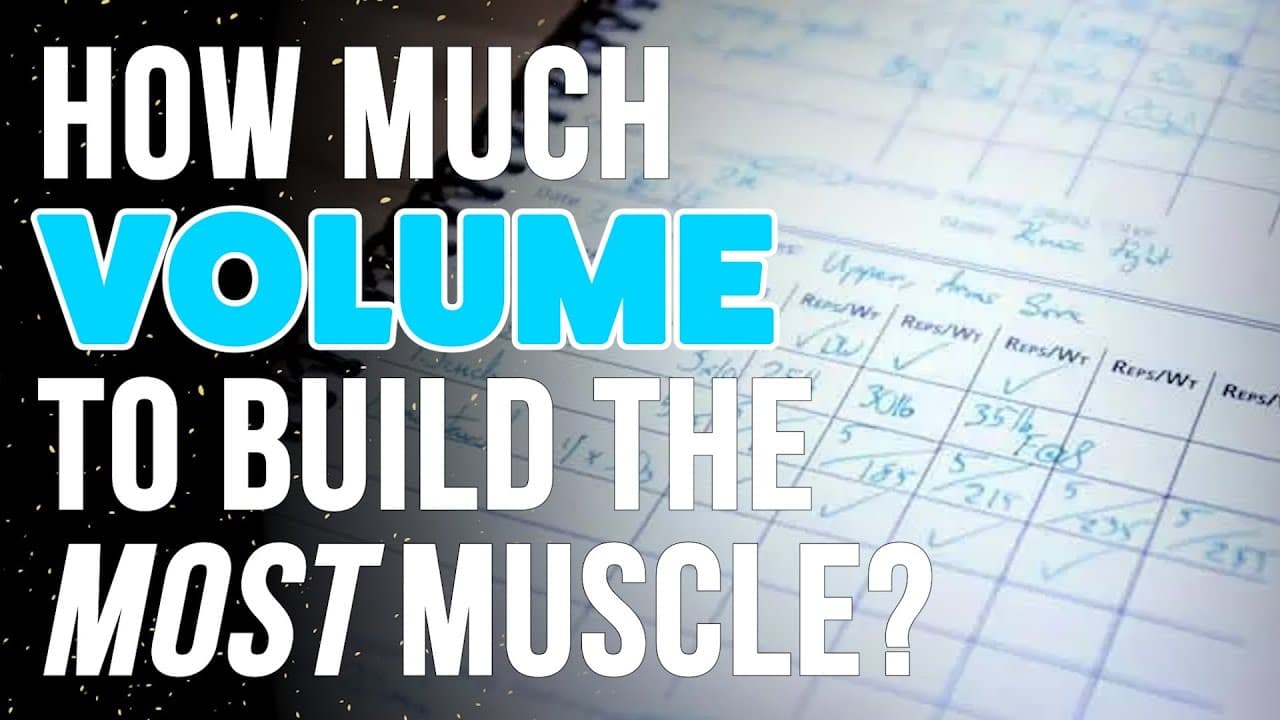
The optimal workout volume for muscle growth varies per individual, typically ranging between 9 to 15 sets per week per body part. Factors such as lifestyle, stress, diet, sleep, and genetics play a crucial role. It's essential to start with minimal volume to elicit change and gradually increase it over time.
Transcript
what's the right amount of volume to build the most amount of muscle watch this our next caller is stephen from north carolina stephen what's happening how can we help you hey how's it going guys good congratulations on all your hard work uh it's really paying off helping a lot of people so we appreciate it thank you um i'm just going to go ahead a... Read More
Key Insights
- Optimal workout volume varies from person to person, typically between 9 to 15 sets per week.
- Volume contributes to hypertrophy but must be adjusted according to individual lifestyle and genetics.
- Starting with minimal volume and increasing gradually can be more effective for long-term muscle growth.
- Body dysmorphia can affect objectivity in assessing muscle gains and fat gain during bulking phases.
- Trigger sessions in a program like MAPS Anabolic can add extra volume and promote muscle growth.
- Studies on workout volume often involve young, college-aged males, which may not represent all demographics.
- Long-term adaptation to a stimulus requires changing workout variables like volume, intensity, and exercises.
- Maintaining a caloric surplus or at least maintenance is crucial for seeing strength and muscle gains.
Install to Summarize YouTube Videos and Get Transcripts
Explore YouTube Video Summarizer or Get YouTube Transcript Extractor
Questions & Answers
Q: How to determine the right workout volume for muscle growth?
Determining the right workout volume for muscle growth involves considering individual factors like lifestyle, stress, diet, sleep, and genetics. Typically, 9 to 15 sets per week per muscle group is effective for most people. It's important to start with minimal volume to elicit change and gradually increase it as needed, ensuring you don't overtrain or undertrain.
Q: Why is starting with minimal workout volume recommended?
Starting with minimal workout volume is recommended to ensure that you have room to increase volume over time, which can help prevent plateaus. This approach allows for adaptation and recovery, reducing the risk of overtraining. It also helps in identifying the least amount of work needed to elicit positive changes, which is crucial for long-term progress.
Q: What role does body dysmorphia play in muscle building?
Body dysmorphia can affect one's ability to objectively assess muscle and fat gains, especially during bulking phases. It can lead to an unhealthy focus on perceived imperfections, making it difficult to accurately evaluate progress. Focusing on measurable outcomes like strength gains can help mitigate the subjective influence of body dysmorphia.
Q: How do trigger sessions contribute to muscle growth?
Trigger sessions contribute to muscle growth by adding extra volume without significant fatigue, promoting muscle activation and blood flow. They are typically done on off days and involve light exercises aimed at getting a pump. This additional stimulus can enhance recovery and growth when incorporated into a structured program like MAPS Anabolic.
Q: What are the limitations of studies on workout volume?
Studies on workout volume often have limitations due to their short duration (usually 12-16 weeks) and participant demographics, typically involving young, college-aged males. These factors may not represent long-term effects or apply to older adults or those with different lifestyles and stress levels. Individual variability is often not adequately addressed in these studies.
Q: Why is a caloric surplus important for muscle gains?
A caloric surplus is important for muscle gains because it provides the necessary energy and nutrients for muscle repair and growth. Without sufficient caloric intake, the body may not have enough resources to build new muscle tissue, leading to stagnation in strength and size gains. Maintaining at least a caloric maintenance level is crucial during muscle-building phases.
Q: How can workout variables be adapted for long-term growth?
For long-term growth, workout variables such as volume, intensity, and exercise selection should be periodically adjusted. This prevents adaptation and plateaus, ensuring continuous progress. For example, after a period of high volume, reducing volume while increasing intensity or changing exercises can provide a new stimulus for growth.
Q: How does MAPS Anabolic structure workout volume?
MAPS Anabolic structures workout volume by starting with lower volume and gradually increasing it through its phases. This approach ensures that the body adapts progressively, reducing the risk of overtraining. The program includes trigger sessions to add volume on off days and is designed to be followed by more advanced programs that further increase volume and intensity.
Summary & Key Takeaways
-
The optimal workout volume for muscle growth is highly individual, often ranging from 9 to 15 sets per week per muscle group. Factors such as lifestyle, stress, diet, sleep, and genetics significantly impact this. Starting with minimal volume and gradually increasing it over time tends to be more effective for sustainable muscle growth.
-
Body dysmorphia can make it challenging to objectively assess muscle and fat gains during bulking. Incorporating trigger sessions can add beneficial volume to a workout routine. Studies on workout volume often involve young males, which may not be applicable to everyone.
-
Adapting workout variables like volume, intensity, and exercises over time is crucial for long-term muscle growth. A caloric surplus or maintenance is necessary for strength and muscle gains, and following a structured program like MAPS Anabolic can help scale volume effectively.
Read in Other Languages (beta)
Share This Summary 📚
Summarize YouTube Videos and Get Video Transcripts with 1-Click
Try YouTube Summary with ChatGPT & Claude or YouTube Transcript Generator
Explore More Summaries from Mind Pump Show 📚


Summarize YouTube Videos and Get Video Transcripts with 1-Click
Try YouTube Summary with ChatGPT & Claude or YouTube Transcript Generator