How to Cut Fat Without Losing Muscle
TL;DR
To cut fat without losing muscle, prioritize a gradual approach that includes strength training and a balanced diet. A slower cut is generally better for preserving muscle mass and maintaining metabolic health. Focus on sustainable lifestyle changes rather than drastic calorie reductions for long-term success.
Transcript
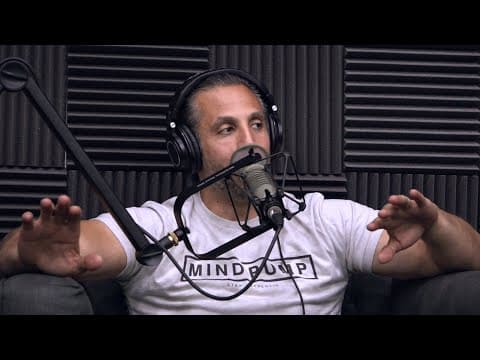
if you want to pump your body and expand your mind there's only one place to go mind with your hosts Sal de Stefano Adam Schaefer and Justin Andrews in this episode of mind pump for the first 15 minutes we do our typical introduce a 15 Doug wrote 16 my bad 16 was it 16 oh wow is your site going like that god this is 16 minutes am i well you see I'm... Read More
Key Insights
- A slower approach to cutting is more effective in preserving muscle mass.
- Strength training should be the cornerstone of any fat loss program to maintain muscle.
- Gradual lifestyle changes are more sustainable than drastic ones.
- Proper priming and warming up can enhance workout effectiveness and prevent injury.
- Highly processed 'healthy' foods may hinder long-term weight management goals.
- Personal training offers valuable life lessons and deep client relationships.
- Priming is crucial for optimizing workout performance and preventing injury.
- Healthy food alternatives can be a stepping stone but should not be a permanent solution.
Install to Summarize YouTube Videos and Get Transcripts
Explore YouTube Video Summarizer or Get YouTube Transcript Extractor
Questions & Answers
Q: How to cut fat without losing muscle?
To cut fat without losing muscle, focus on a gradual calorie deficit, prioritize strength training, and ensure adequate protein intake. Avoid drastic calorie cuts, as they can lead to muscle loss. Instead, make sustainable lifestyle changes that include balanced nutrition and regular exercise to preserve muscle mass while losing fat.
Q: Is cardio necessary before lifting weights?
Cardio is not necessary before lifting weights. Instead, focus on a proper warm-up or priming session that prepares the body for specific movements. This can improve workout performance and reduce injury risk. Warm-ups should be tailored to individual needs, focusing on activating muscles and enhancing range of motion for the exercises planned.
Q: What are the effects of low-calorie 'healthy' foods on diet?
Low-calorie 'healthy' foods can be a better alternative to their higher-calorie counterparts, but they may also lead to overeating due to their engineered palatability. They can be a useful stepping stone in a diet transition, but it's important to focus on whole, nutrient-dense foods for long-term health and weight management.
Q: What do personal trainers miss about training clients?
Personal trainers often miss the deep relationships and personal growth that come from working closely with clients. The opportunity to impact lives directly and the rich, life-changing conversations are aspects that many trainers cherish. However, the broader impact possible through digital platforms can offer similar rewards on a larger scale.
Q: What is the importance of priming before workouts?
Priming before workouts is crucial for optimizing performance and preventing injury. It involves preparing the body specifically for the movements to be performed, activating the right muscles, and ensuring proper mechanics. This individualized approach can lead to better muscle activation and more effective workouts.
Q: Are 'healthy' processed foods a good alternative?
'Healthy' processed foods can be a better short-term alternative to unhealthy options, but they should not replace whole foods in a diet. They are often engineered to be hyper-palatable, which can lead to overeating. Focus on real, nutrient-dense foods for long-term health and sustainable weight management.
Q: How does a gradual cut affect metabolism?
A gradual cut is generally better for maintaining metabolic health compared to a rapid cut. It allows the body to adapt slowly, preserving muscle mass and preventing the slowdown of metabolic rate. This approach supports long-term weight loss and helps avoid the negative effects of drastic calorie reductions.
Q: Why is strength training important during a cut?
Strength training is essential during a cut to preserve muscle mass and support metabolic health. It signals the body to maintain muscle tissue despite a calorie deficit, helping to prevent muscle loss. Incorporating regular strength training into a fat loss program ensures that weight loss is primarily from fat rather than muscle.
Summary & Key Takeaways
-
Cutting fat without losing muscle requires a slow, steady approach with a focus on strength training. Rapid cuts can lead to muscle loss and metabolic slowdown, whereas gradual changes help maintain muscle mass and metabolic health.
-
Priming the body before workouts can enhance performance and prevent injuries. It's important to tailor your warm-up to your specific body's needs to maximize workout effectiveness.
-
While low-calorie 'healthy' foods can be a better choice than their unhealthy counterparts, they should be used as a stepping stone rather than a permanent solution. Building a healthy relationship with food is crucial for long-term success.
Read in Other Languages (beta)
Share This Summary 📚
Summarize YouTube Videos and Get Video Transcripts with 1-Click
Try YouTube Summary with ChatGPT & Claude or YouTube Transcript Generator
Explore More Summaries from Mind Pump Show 📚
Summarize YouTube Videos and Get Video Transcripts with 1-Click
Try YouTube Summary with ChatGPT & Claude or YouTube Transcript Generator